 Contact Us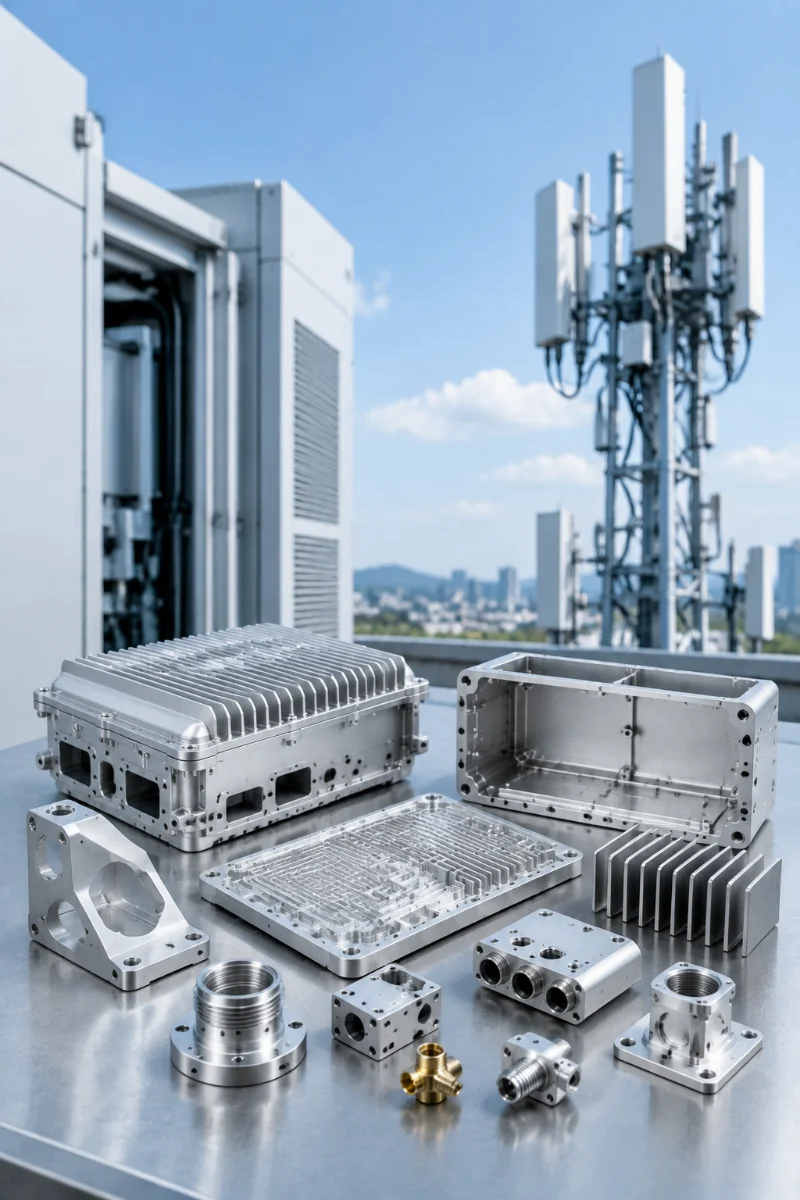
Shielding and Grounding
Grounding faces, screw holes and contact areas must line up correctly. Areas that must stay uncoated should be marked on the drawing.
 Home /
We provide precision CNC machining services for telecommunications components, including RF housings, antenna brackets, heat dissipation parts, and custom communication equipment components with reliable manufacturing support.
 Get Free Quote
Telecommunications CNC Machining
Telecom products need parts that fit correctly, carry heat away and protect sensitive electronics. Karry Precision makes custom housings, heat sinks, connector parts, antenna mounts and test fixtures from customer drawings. We support prototypes, pilot runs and repeat low-volume orders.
What Matters in Telecom Manufacturing
A small error around a connector, sealing face or heat-transfer surface can cause problems during assembly or testing. We review these important areas before machining starts.
Grounding faces, screw holes and contact areas must line up correctly. Areas that must stay uncoated should be marked on the drawing.
Heat sinks and cooling plates need flat contact surfaces so heat can move away from electronic components.
Ports, bores and threads must match the rest of the assembly so connectors and fiber components install smoothly.
Materials and finishes should match the expected weather, corrosion and maintenance conditions.
Telecommunications Parts We Manufacture
We do not sell standard catalog parts. We make custom metal and engineering-plastic components for indoor and outdoor telecom equipment.
We machine each part to the approved drawing. RF, EMC, thermal and waterproof performance must be tested on the complete product by the customer.
Materials for Telecom Components
The best material depends on where the part is used, how much heat it carries, whether it needs electrical contact and which surface finish is required.
A practical choice for lightweight housings, brackets, panels and heat-control parts. Several surface finishes are available.
Often used when a compact bracket or mounting part needs more strength than standard aluminum.
Suitable for grounding parts, contacts, threaded inserts and components that need good electrical or thermal conductivity.
Useful for connector parts, fasteners and outdoor hardware that need strength and corrosion resistance.
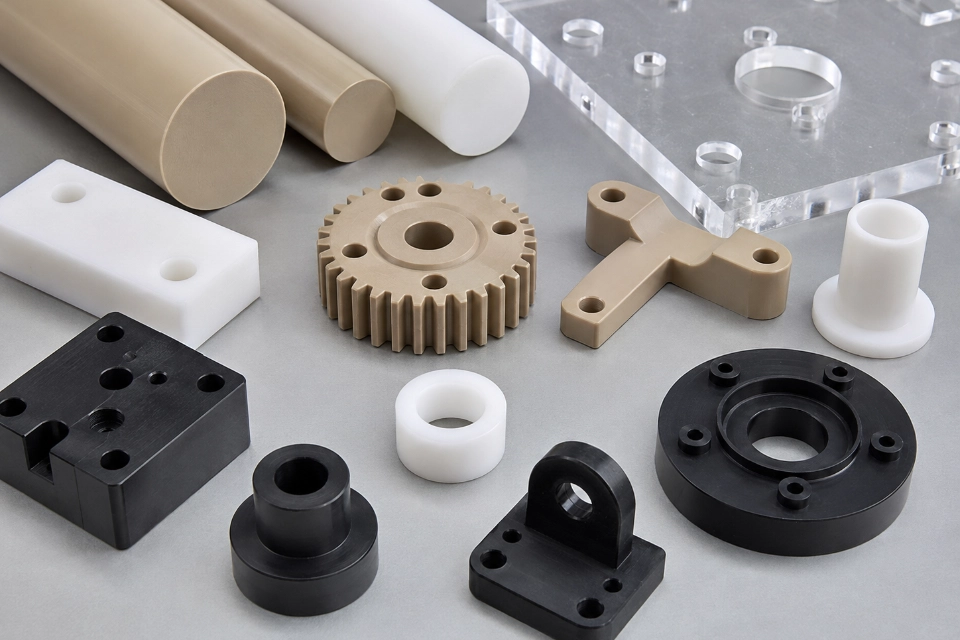
Engineering plastics are used for electrical insulation, cable guides, spacers and low-friction components.
Magnesium, carbon steel and other alloys can be reviewed when weight, strength, magnetism or cost is important.
Request a Telecom Parts Quote
Share your 2D drawing or 3D model, material, quantity and finish. Mark the dimensions and surfaces that are most important. We will review the part and suggest a practical way to make it.
Telecommunications CNC Machining Capabilities
We choose the process from the part shape, material, tolerance and inspection needs. One project may use several processes when the design requires them.
For housings, panels, heat sinks, brackets and mounting plates with features on several sides.
For angled ports, complex shapes and multi-side features that are difficult to reach in a standard setup.
For connector bodies, sleeves, bushings, adapters and other round parts with threads or milled features.
Careful workholding and cutting methods help reduce movement in lightweight housings and covers.
For connector holes, port patterns, threads and small bores, with attention to burr removal and inspection.
Useful for narrow slots, precise profiles and hard materials that are difficult to cut with normal tools.
Panels, shields, covers and rack parts can be coordinated with the machined components in the same project.
Before production, we check tool access, tolerances, coating allowance and how important features will be measured.
Surface Finishes for Telecommunications Hardware
Choose the finish based on corrosion protection, electrical contact, appearance and part identification. Clearly mark any areas that must stay uncoated.
Adds wear and corrosion protection to aluminum housings, brackets and panels. Color and anodizing type should be stated on the drawing.
Often used when aluminum needs corrosion protection but some electrical conductivity must be kept for grounding or shielding.
Can improve corrosion resistance, wear resistance or conductivity on connector and other metal parts.
Helps stainless-steel parts keep their corrosion resistance after machining.
Creates a more even matte surface and reduces the appearance of normal machining marks.
Adds color and protection to panels, racks and external equipment. Threads and contact areas can be masked.
Adds part numbers, port labels, direction marks and serial information directly to the part.
Protects grounding faces, sealing surfaces, threads and close-fitting areas from unwanted coating.
Please show the finish type, color, thickness and masked areas on the drawing. Special finishes will be confirmed during quotation.
Telecommunications Machining Cases
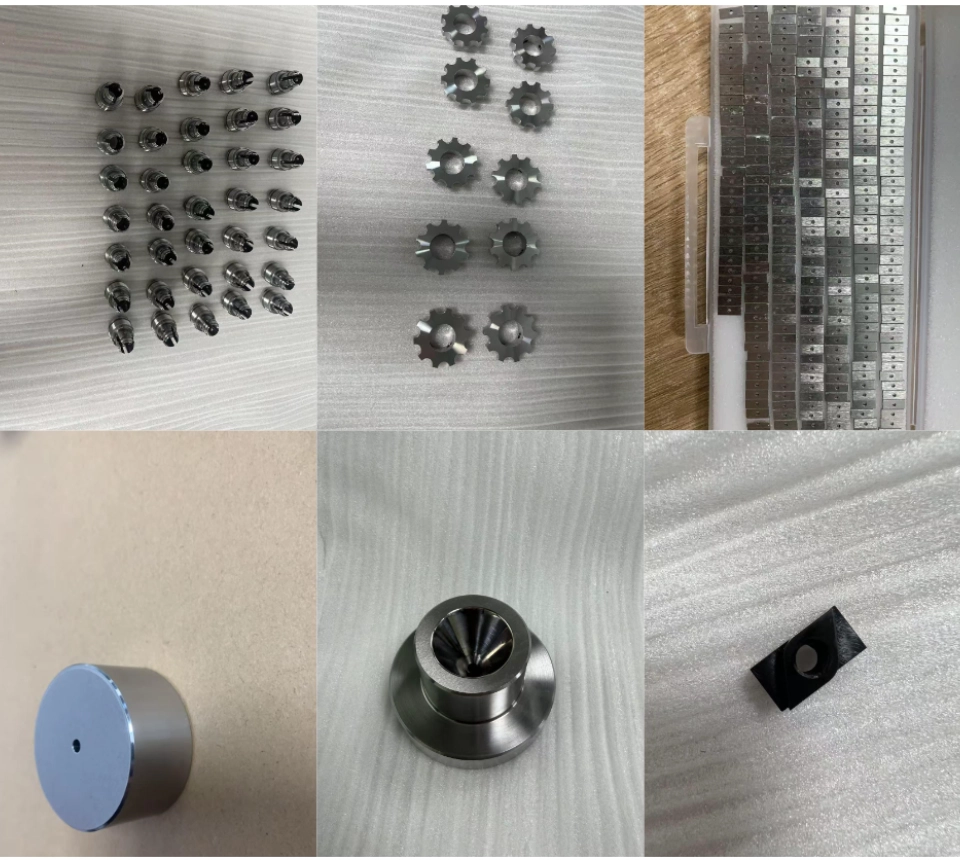
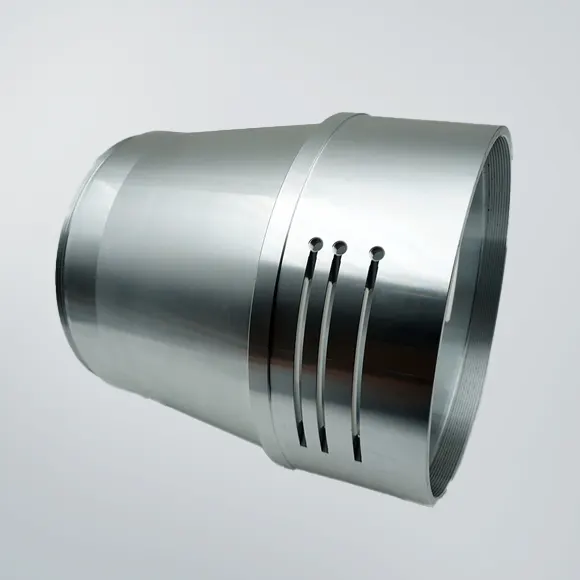
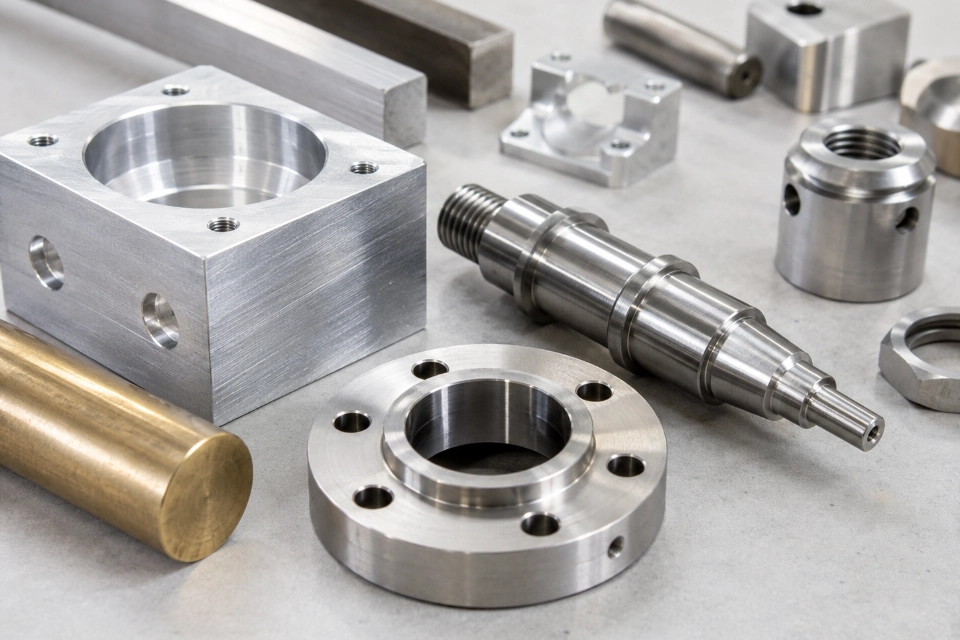
These examples show the types of metal and engineering-plastic parts we can machine. The final material and process will be chosen from your drawing and application.
Why Choose Karry Precision
We keep the approved drawing, finish details and inspection requirements together, making it easier to move from a first sample to future low-volume orders.
We follow the approved dimensions, fits, contact areas, sealing surfaces and appearance requirements.
Milling, turning, grinding, EDM, sheet metal, marking and approved finishing can be coordinated in one project.
Inspection is planned around the dimensions and surfaces that matter most to assembly and use.
Approved revisions, process notes and inspection requirements can be kept for later low-volume orders.
Telecommunications CNC Machining FAQ
Good drawings and clear requirements help us quote the right material, process, finish and inspection work.
We make custom housings, shielding parts, antenna mounts, connector bodies, heat sinks, cooling plates, rack hardware, fiber-support parts and production fixtures from customer drawings.
Please send a 3D model and a dimensioned 2D drawing if available. Also include the material, quantity, finish, important tolerances and any inspection or marking requirements.
We can make the specified shape, material, finish and contact features. However, RF and EMC performance depends on the complete assembly and must be tested by the customer.
Yes, after reviewing the drawing. We check wall thickness, flatness, tool access, workholding and surface-finish allowance before confirming the process.
Finished aluminum and stainless steel are common choices. The best option depends on weather exposure, corrosion, electrical contact, sealing and the product specification.
Yes. We can support design review, prototypes, pilot quantities and repeat low-volume orders after the drawing and process are approved.
The inspection scope is agreed during quotation. Depending on the project, we can discuss dimensional reports, material certificates and documents from the finishing supplier.
Start Your Telecommunications CNC Project
Include the material, quantity, finish and important dimensions. We will review the part and help plan the next step.