 Contact Us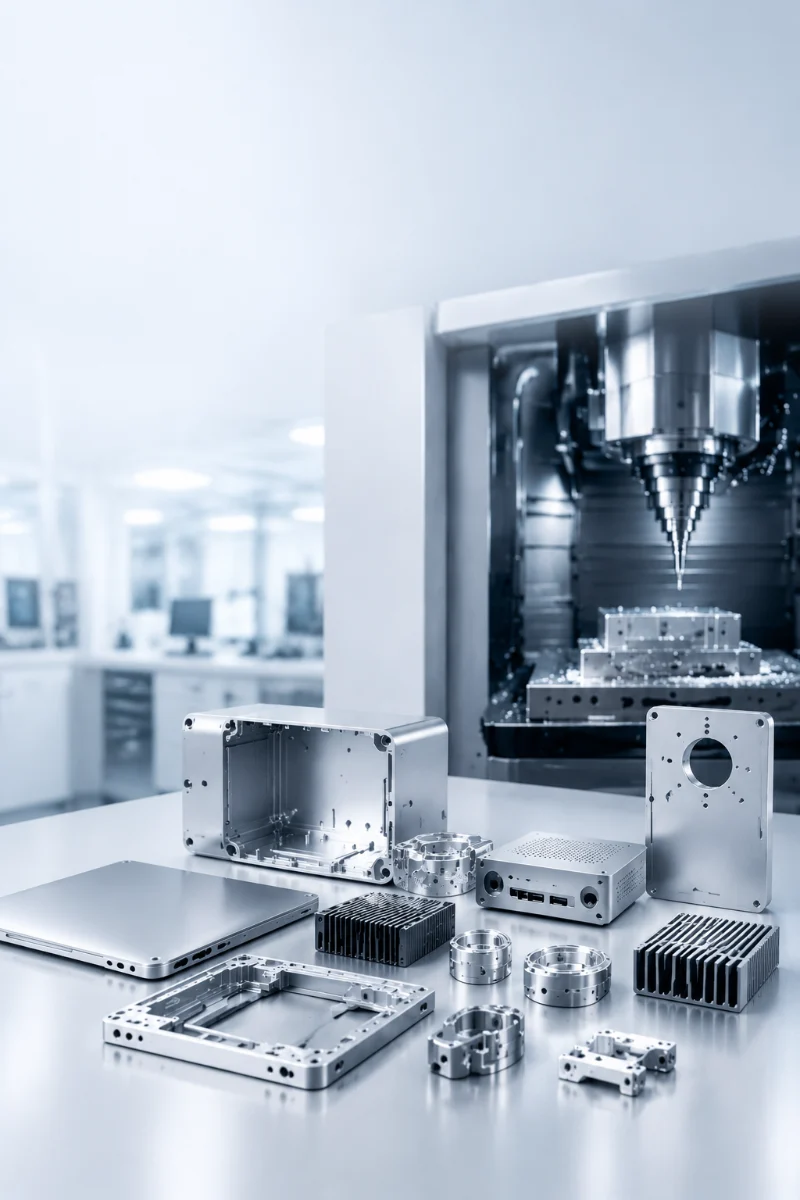
Device Housings & Frames
- Machined aluminum enclosures
- Front and rear covers
- Internal frames and mid-plates
- Battery and module housings
 Home /
We provide precision CNC machining services for consumer electronics components, including aluminum housings, structural parts, brackets, and custom electronic parts with reliable manufacturing support.
 Get Free Quote
CNC Machining for Consumer Electronics
Consumer electronics parts have to satisfy mechanical, thermal and cosmetic requirements at the same time. Karry Precision machines custom housings, frames, buttons, heat-control parts and internal hardware to customer drawings, supporting design verification, pilot builds and repeat low-volume production.
DFM feedback helps resolve tool access, thin walls, corner radii, thread depth and finish allowance before machining begins.
Visible zones, texture direction, color target, masking and acceptable marks can be identified on the drawing or approved sample.
Datums and critical interfaces are reviewed around displays, buttons, connectors, lenses, batteries and mating enclosures.
Approved process notes and inspection requirements can be retained for pilot runs and repeat orders.
Parts We Can Manufacture
We manufacture to your drawings rather than a fixed catalog. The process is selected around appearance, assembly fit, heat transfer, weight, electrical behavior and the stage of product development.
Final component suitability, tolerance and inspection method are confirmed after drawing review. Product names and end-use approval remain the customer’s responsibility.
Materials for Consumer Electronics
Material selection affects machining stability, wall thickness, heat transfer, surface finish and assembly feel. Exact grade, condition and cosmetic requirements should be stated in the RFQ.
A versatile, machinable alloy that supports anodizing and balanced mechanical performance.
Typical use: housings, frames, brackets, heat sinks
Higher strength for compact structural parts where stiffness and low weight matter.
Typical use: loaded frames, hinges, precision supports
Common for formed sheet-metal covers and enclosures with good corrosion resistance.
Typical use: covers, shields, lightweight panels
Useful for wear resistance, strength and a premium metal appearance in compact hardware.
Typical use: buttons, shafts, rings, brackets
Selected for high thermal or electrical conductivity when oxidation and finish requirements are considered.
Typical use: heat spreaders, contacts, conductive inserts
Machinable and conductive, with useful wear behavior for small hardware and inserts.
Typical use: terminals, bushings, threaded inserts
Options for light, insulating and low-friction prototype or functional components.
Typical use: guides, buttons, spacers, internal supports
Selected for transparency, thermal performance, chemical resistance or electrical insulation according to grade.
Typical use: windows, insulators, precision functional parts
Send the 3D model, dimensioned drawing, material, cosmetic zones, color or texture target, finish, quantity and build stage for practical DFM feedback.
Surface Finishes for Consumer Electronics
For consumer products, finish is both functional and visual. Texture, gloss, color, edge appearance, logo position and mating tolerances should be defined together—not treated as a final decorative step.
Improves aluminum corrosion and wear resistance while supporting natural, black or project-specified colors.
Creates a uniform matte surface and reduces visible machining marks before anodizing or final acceptance.
Adds a controlled linear texture to visible metal surfaces when direction and sample standard are specified.
Refines appearance and smoothness for decorative rings, buttons and premium exposed hardware.
Can improve conductivity, solderability, wear or corrosion behavior on compatible copper, brass and steel parts.
A durable colored coating for larger external covers and frames where coating thickness and masking are controlled.
Supports project-specific color and gloss on compatible housings, with cosmetic zones and adhesion requirements defined.
Adds logos, serial numbers, orientation marks or product identifiers without a separate adhesive label.
Finish compatibility, color tolerance, gloss, texture and acceptable cosmetic defects must be confirmed against the selected material and an approved drawing or sample.
Consumer Electronics Machining Capabilities
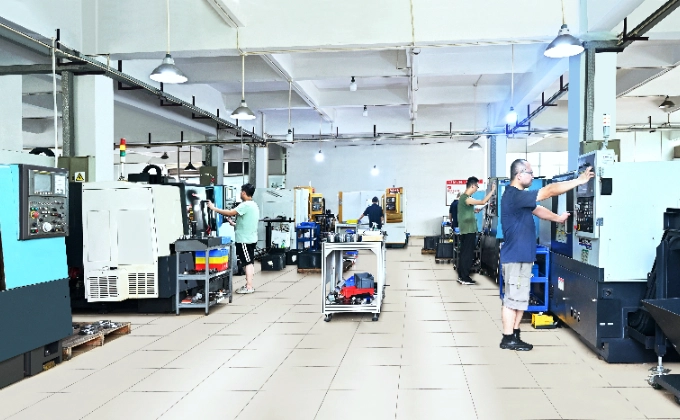
The machining route is planned around wall stability, tool access, cosmetic faces, heat-control geometry, threaded interfaces and inspection access.
Complex multi-face housings and angled features completed with fewer setups for better positional consistency.
Efficient machining for frames, covers, plates, heat sinks, brackets and enclosure components.
Buttons, rings, shafts, sleeves, threaded connectors and cylindrical housings with secondary milled features.
Workholding and cutting strategy are planned to reduce distortion on lightweight covers and compact housings.
Small holes, threads, ports and connector features with burr risk and thread engagement reviewed in DFM.
Complementary fabrication for covers, shields, brackets and formed enclosure parts within one coordinated supply path.
Critical dimensions and visible surfaces are checked against drawing notes, samples and agreed acceptance limits.
Early review of wall thickness, radii, undercuts, finish allowance, tolerance stack and assembly interfaces.
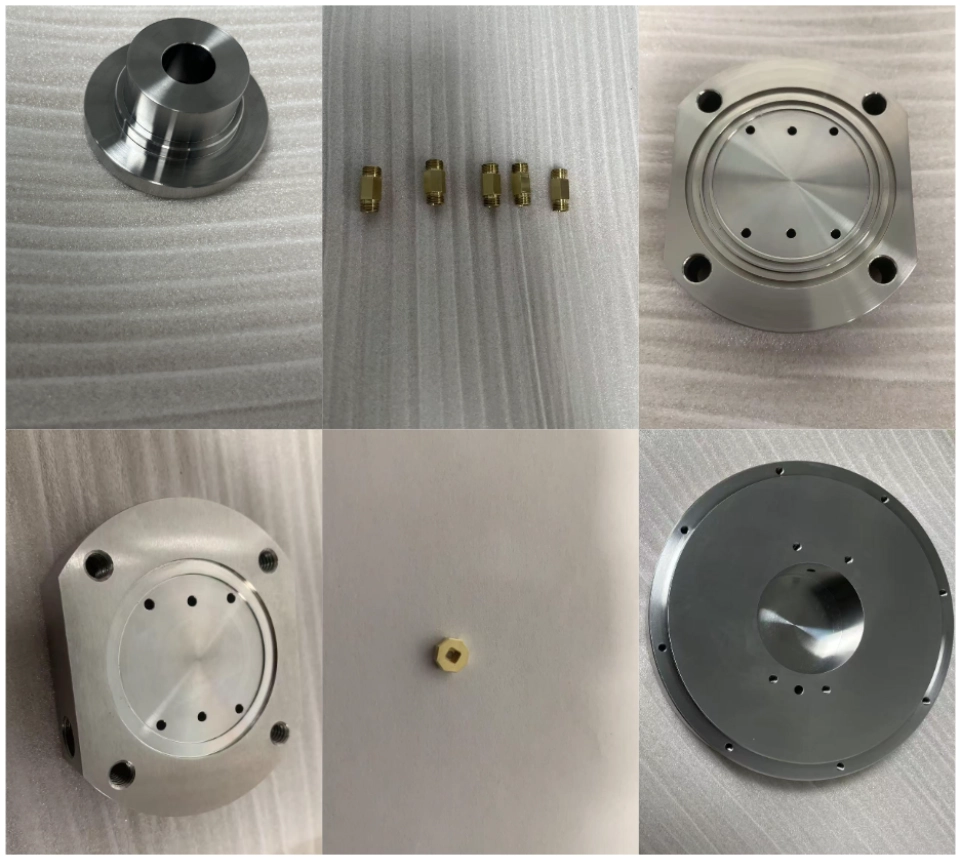
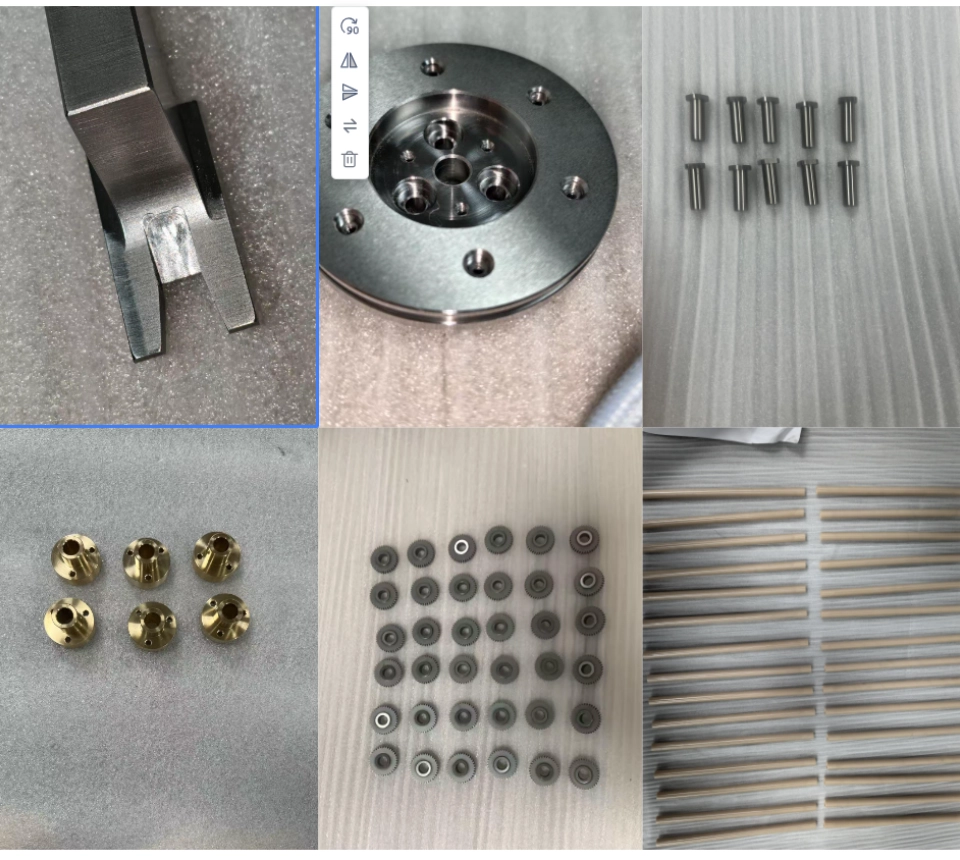
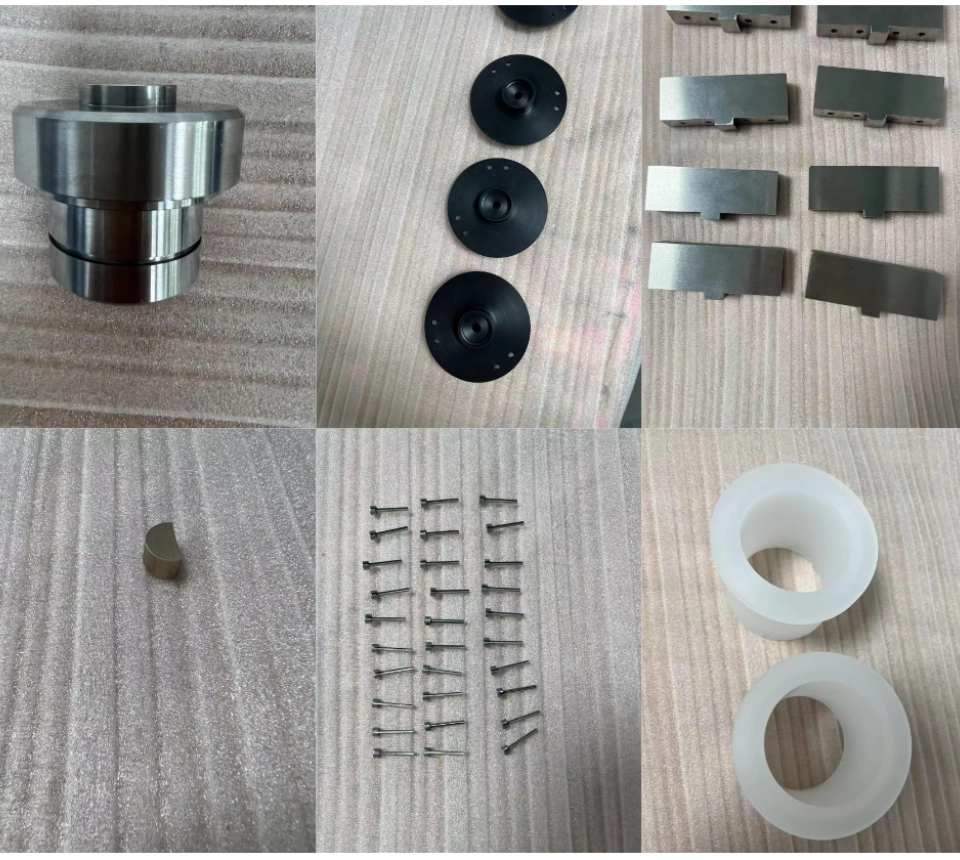
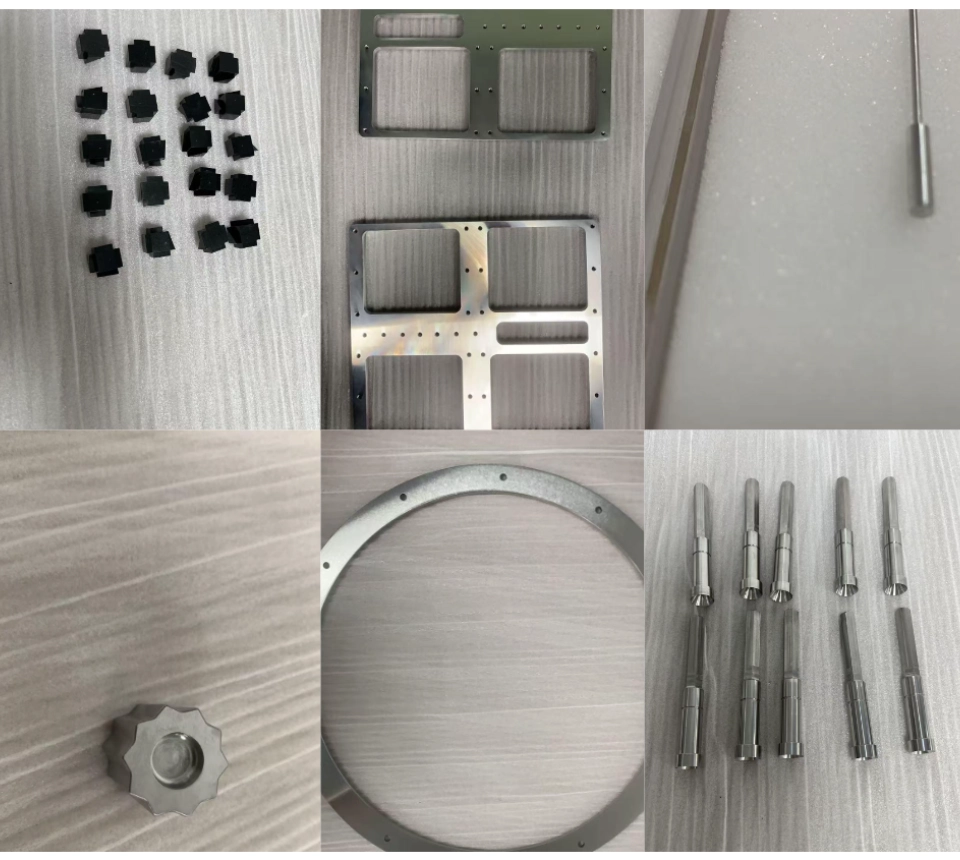
Consumer Electronics Parts Gallery
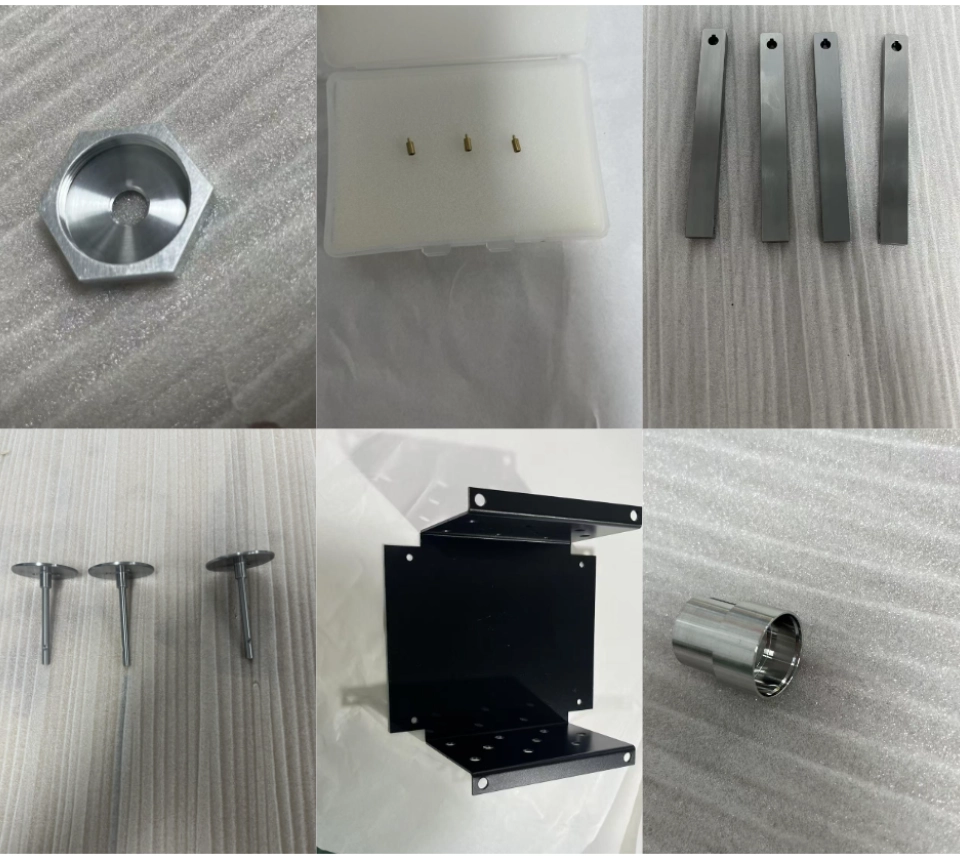
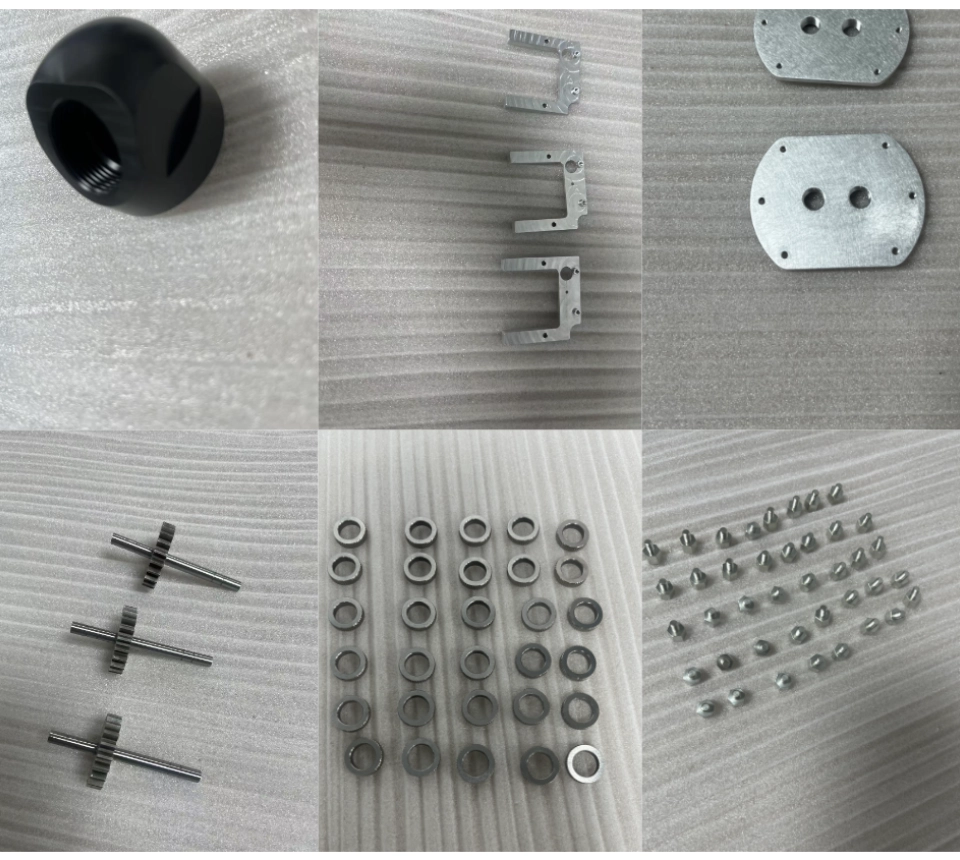
Explore representative housings, covers, control hardware, heat-management parts, connector components and compact internal structures. The gallery highlights the materials, finishes and small-feature geometries commonly reviewed for consumer electronic assemblies.
Why Choose Karry Precision
Critical dimensions, visible zones, color, texture, gloss and masking requirements can be tied to the same released specification.
Machining, sheet metal, grinding, EDM, marking and approved finishing steps can be coordinated through one project team.
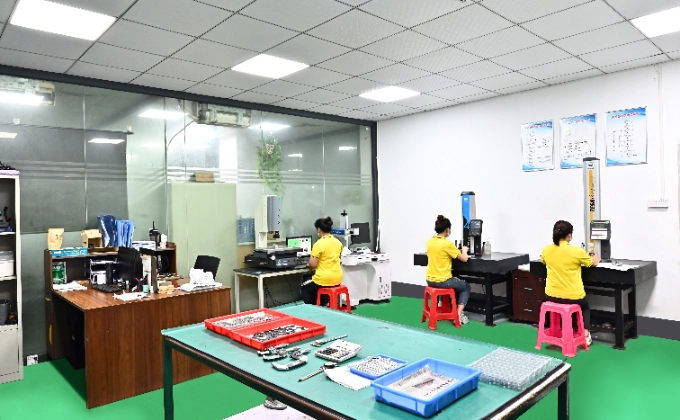
Dedicated metrology equipment supports incoming, in-process and final dimensional checks based on drawing requirements.
Prototype findings and approved revisions can be retained to support pilot builds and repeat low-volume orders.
Consumer Electronics CNC Machining FAQ
A useful quotation depends on both mechanical requirements and cosmetic acceptance criteria.
We manufacture custom housings, frames, covers, heat sinks, camera and sensor mounts, buttons, knobs, shafts, connector hardware, shielding parts and assembly or inspection fixtures according to customer drawings.
Yes. We can support engineering samples, design verification, pilot builds and repeat low-volume orders. Schedule depends on geometry, material, finishing, inspection and revision status.
Define the visible A, B and hidden zones, texture direction, gloss, color reference, masking, edge expectations and allowable defects on the drawing or an approved sample. Cosmetic acceptance is then quoted and inspected against that standard.
Send a 3D model, dimensioned 2D drawing, material grade, tolerance notes, surface-finish specification, cosmetic zones, color or texture reference, quantity, build stage and any required inspection report.
Thin-wall parts can be reviewed for workholding, tool access, distortion, minimum wall thickness and finish allowance. Feasibility and achievable tolerance are confirmed only after reviewing the geometry and material condition.
Anodized color varies with alloy, surface preparation, batch size and process conditions. Provide a color reference and define the acceptable range; a limit sample or controlled batch approach may be recommended for appearance-critical programs.
Tolerance capability depends on feature size, wall thickness, datum structure, material, finish and inspection method. Mark critical-to-function dimensions so the process and measurement plan can be reviewed before quotation.
Material certificates, dimensional reports and other project records can be quoted when the required scope and format are stated in the RFQ. Documentation is not assumed unless specified.
Send the design, material, finish, cosmetic standard and required quantity. We will review manufacturability before confirming the quotation.