 Contact Us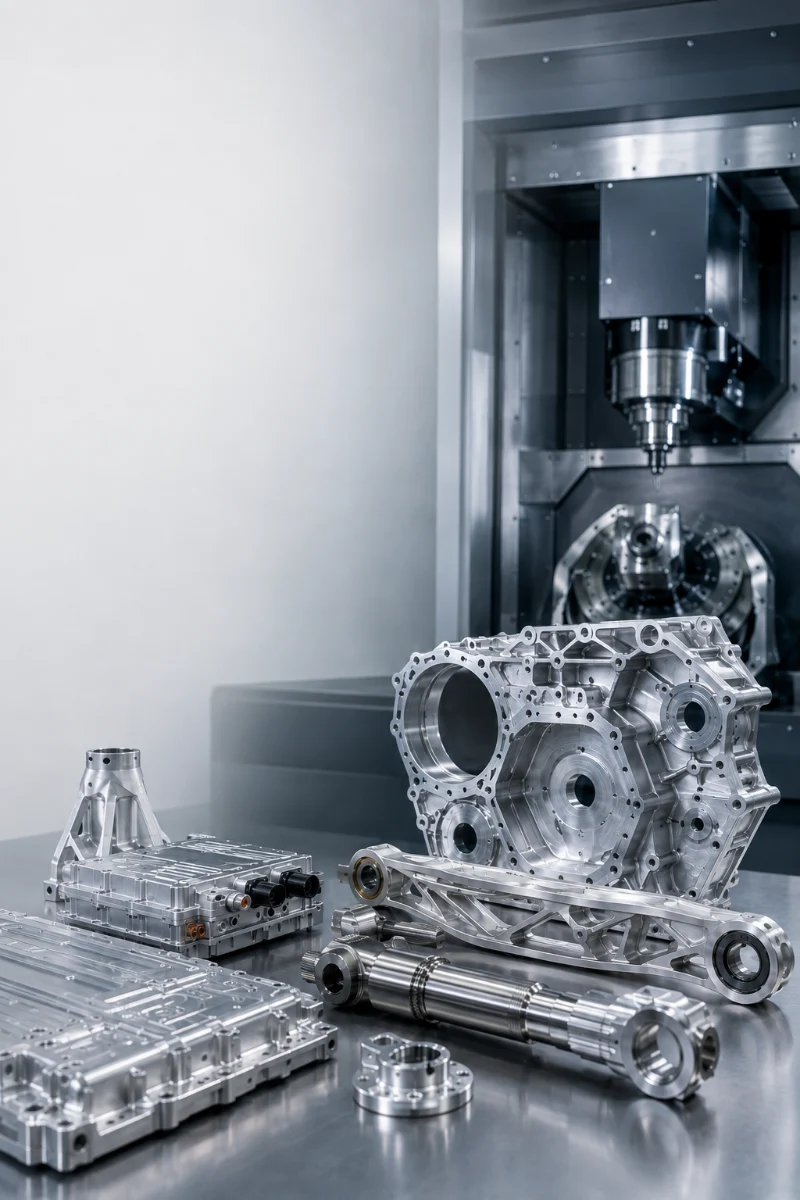
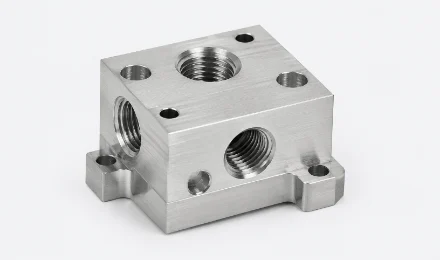
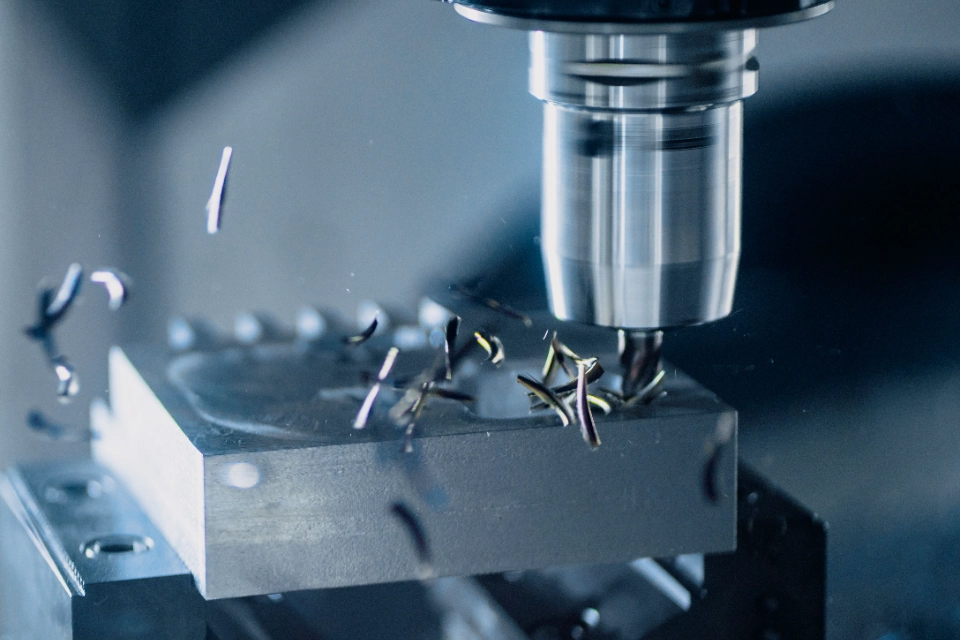
3- & 4-Axis CNC Milling
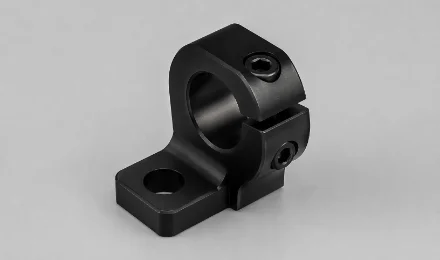
Efficient machining for brackets, plates, covers, fixtures, heat-management components and multi-face features.
 Home /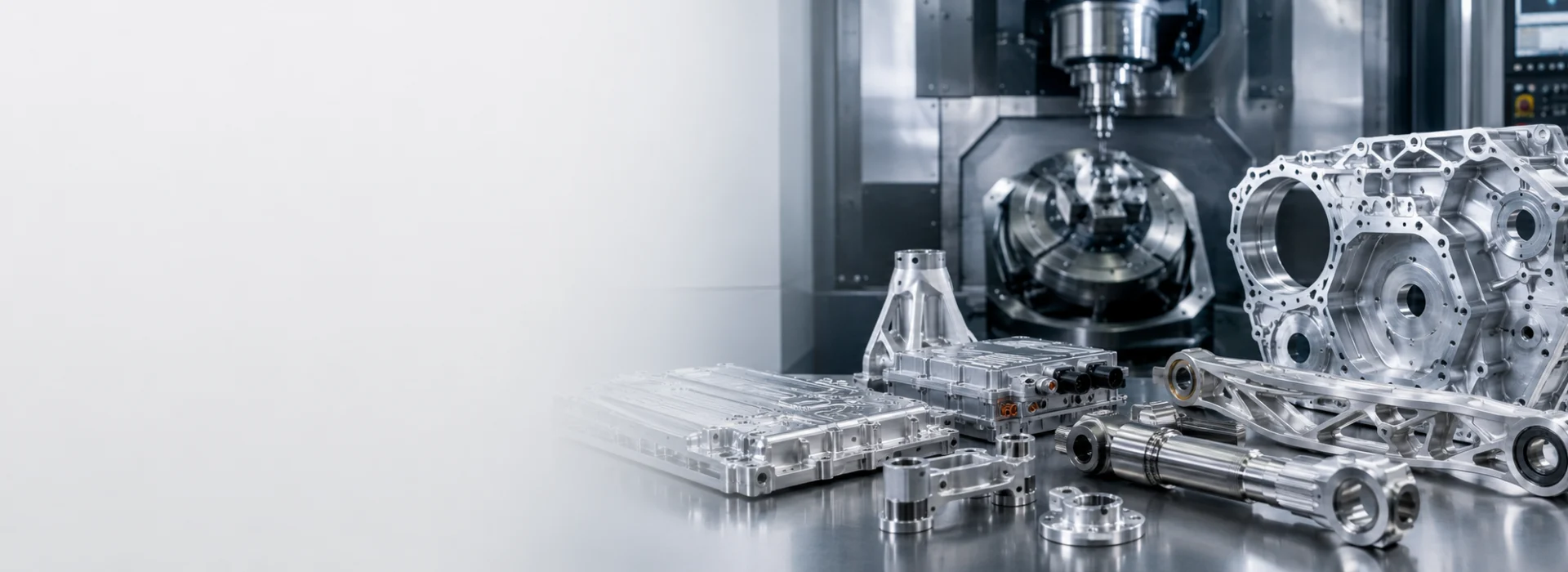
We provide precision CNC machining solutions for automotive components, including prototypes, structural parts, EV components, and custom vehicle parts with reliable quality control and production support.
 Get Free Quote
Automotive Manufacturing Advantages
Automotive teams balance weight, strength, fit, finish and cost—often under compressed validation schedules. We review the drawing, select a practical machining route and keep critical features under controlled inspection from the first article onward.
Identify difficult features, unnecessary tolerance pressure and finish conflicts before they become production delays.
Multi-axis machining reduces repositioning on housings, brackets and contoured components, supporting feature alignment and repeatability.
Keep process knowledge with one supplier as a design moves from fit-check parts to trial builds and repeat orders.
Automotive Machining Capabilities
From prismatic housings to rotational components, the machining plan is selected around critical interfaces, inspection access, material behavior and the intended build stage.
Efficient machining for brackets, plates, covers, fixtures, heat-management components and multi-face features.
Complex contours and multi-face features completed with fewer setups for better positional consistency.
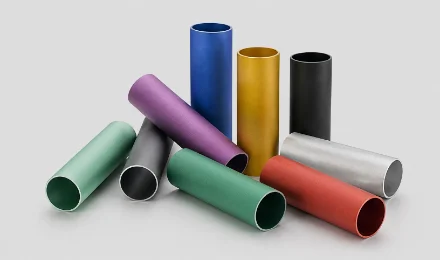
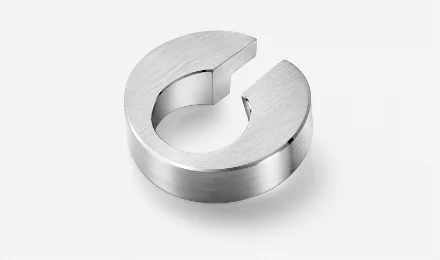
Shafts, bushings, sleeves, sensor bodies and threaded connectors with turning, drilling and milling in one route.
Incoming material checks, in-process verification and pre-shipment inspection based on drawing requirements.
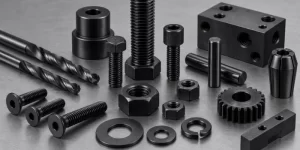
Supporting processes for precision holes, threads, slots, hard-to-machine profiles and tool-related components.
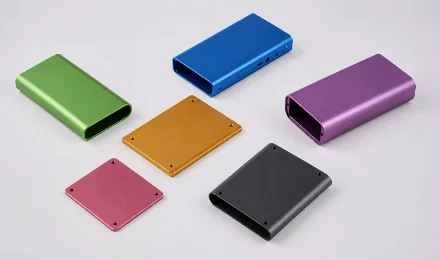
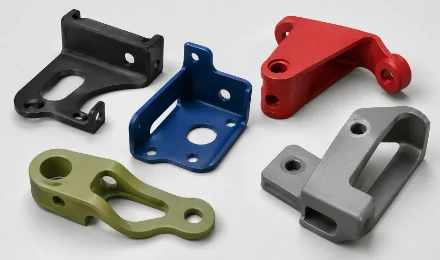
Complementary fabrication for covers, enclosures, mounting plates and formed components within one supply path.
Practical feedback on tool access, corner radii, wall thickness, tolerance stack-up and finishing allowance.
Flexible support for concept validation, functional testing, pilot builds and repeat low-volume orders.
Component assembly support for checking mating interfaces, hardware fit and functional alignment before the next build stage.
One project team coordinates compatible finishes, masking requirements, cosmetic criteria and post-finish dimensional checks.
Parts We Can Manufacture
We manufacture to your drawings rather than a fixed catalog. Typical automotive programs include structural, rotational, thermal-management and electronic-support components.
EV & Electrification
Chassis & Steering
Powertrain & Drivetrain
Vehicle Electronics
Interior & Test Equipment
Thermal Management
Connection Hardware
Automotive Tooling
Send the 3D model, 2D drawing, quantity, material and finish requirements for a manufacturing assessment.
Automotive Materials
Automotive material selection is driven by more than machinability. We help compare structural performance, corrosion exposure, thermal behavior, finish compatibility and prototype intent.
Lightweight and machinable for housings, brackets, covers, heat sinks and test components.
Common options: 5052, 6061, 7075
Corrosion resistance and dependable strength for fluid, connector and exposed components.
Common options: SUS303, SUS304, SUS316
Strength, wear resistance and cost efficiency for shafts, fixtures and load-bearing hardware.
Common options: S45C, S50C
Electrical or thermal conductivity for terminals, contacts, fittings and thermal components.
Common option: C3604 brass
Low weight, electrical insulation, low friction or chemical resistance for functional parts and fixtures.
Common options: POM, PA6, PA6+GF30%, PEEK
Automotive Surface Finishing
The finish must support the part’s real operating environment. Material grade, masking areas, dimensional allowance, color target and cosmetic acceptance criteria are reviewed before processing.
Manufacturing Case Gallery
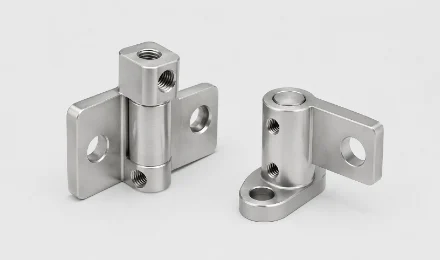
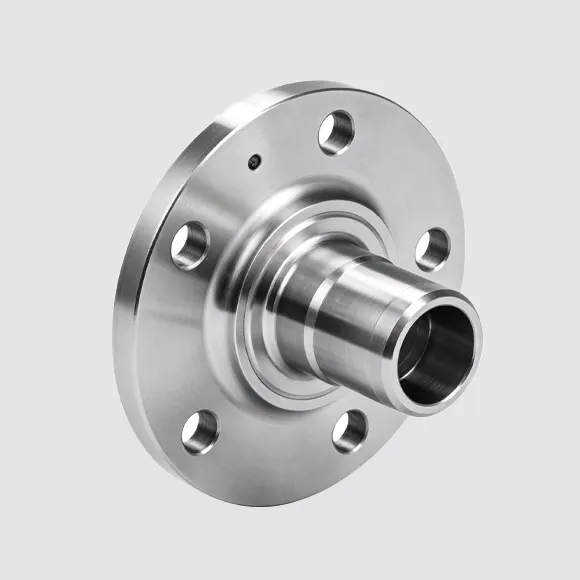
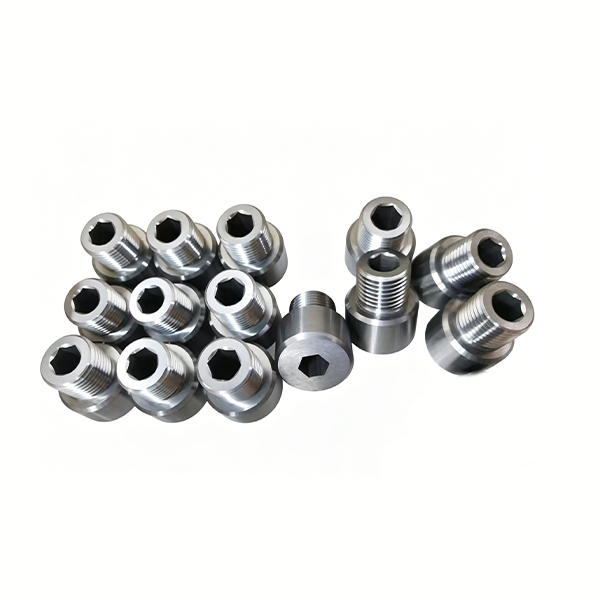
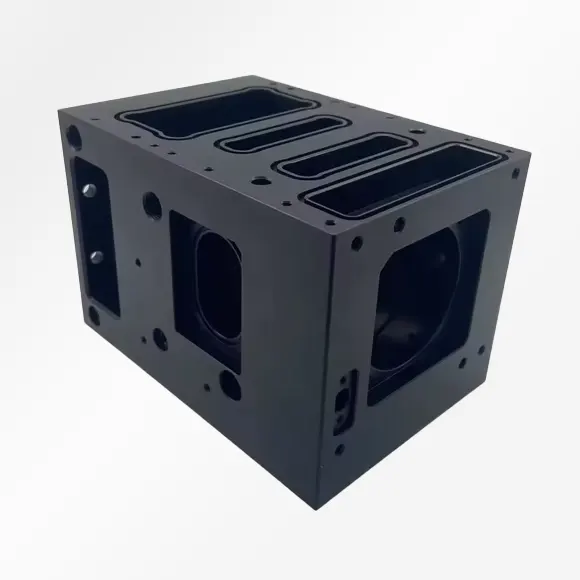
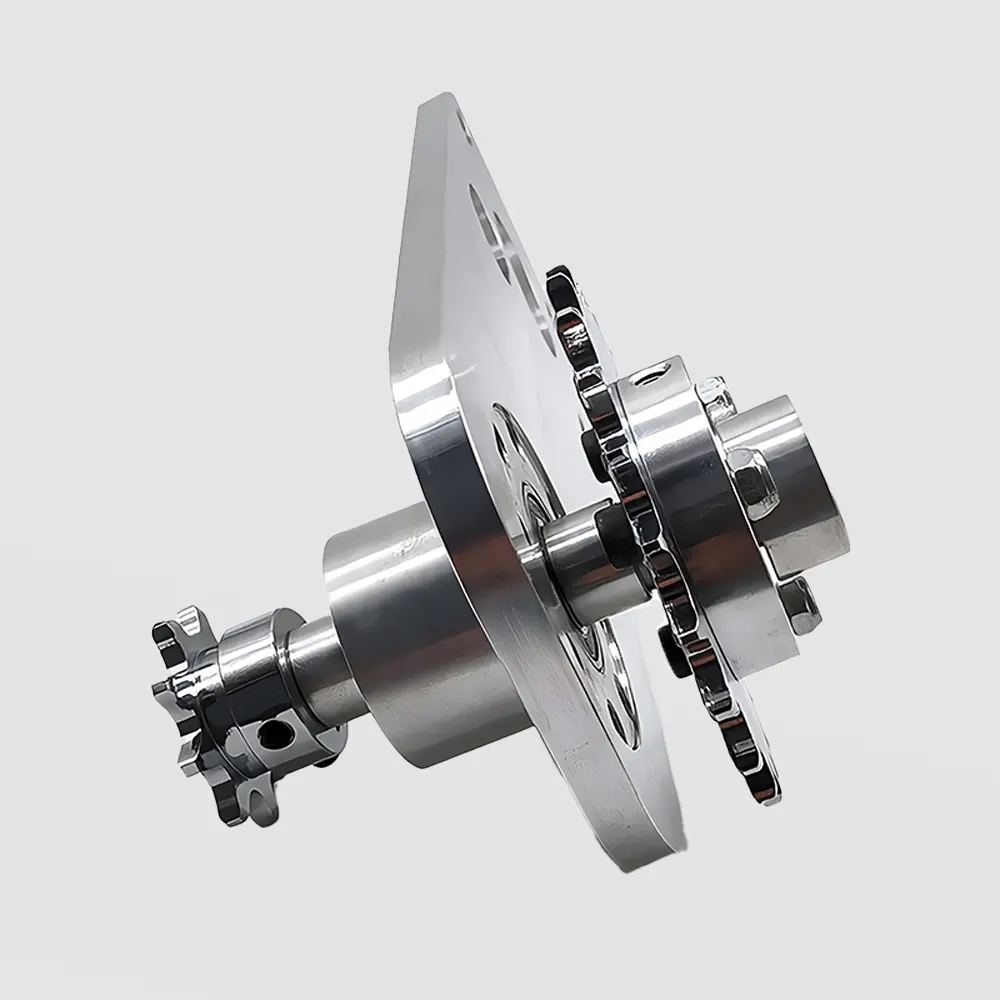
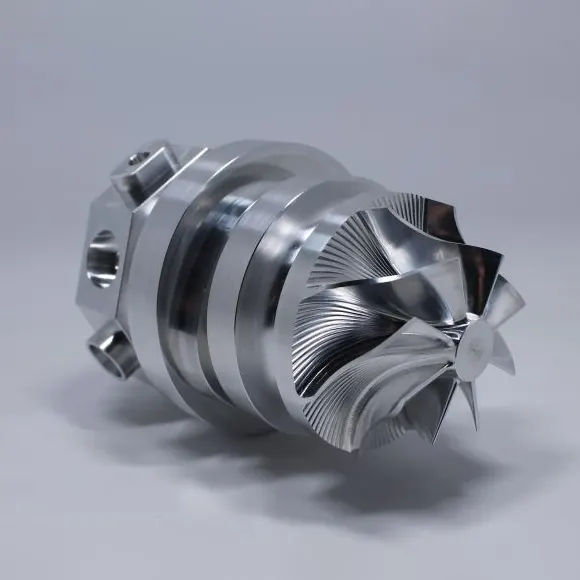
A selection of precision CNC machined automotive components, showcasing our capabilities in multi-axis machining, aluminum parts, structural components, and custom vehicle applications.
Why Choose Karry Precision
Automotive parts succeed when the process, inspection and communication plan are aligned before machining starts.
Critical dimensions, datum strategy, tool access, surface requirements and inspection notes are reviewed before the quotation is finalized.
A controlled quality system supports incoming material checks, in-process control and 100% pre-shipment inspection.
CNC milling, turning, five-axis machining, supporting fabrication and surface finishing can be coordinated through one project team.
Manufacturing knowledge from early parts can be carried into repeat builds, reducing relearning and avoidable process changes.
Engineering questions, drawing revisions, inspection expectations and delivery plans are kept visible throughout the project.
Automotive CNC Machining FAQ
Clear requirements at the start help us recommend the right process and provide a more useful quotation.
We support drawing-based housings, brackets, shafts, bushings, sensor bodies, connector components, fixtures and other custom automotive prototypes and low-volume parts. The drawing and intended use are reviewed before capability is confirmed.
Send a 3D CAD file such as STEP, STP or IGES together with a 2D drawing showing critical dimensions, tolerances, threads, material, surface finish and inspection requirements. Include the required quantity and target delivery date.
Yes. Our workflow supports prototype verification, small-batch trial production and repeat low-volume orders. Process planning, fixtures and inspection depth are adjusted to the program stage and quantity.
Achievable tolerance depends on geometry, material, overall size, feature accessibility and post-machining finish. We review the drawing and confirm a process-specific tolerance plan rather than applying one tolerance claim to every feature.
State the required material certificates, dimensional-report format, traceability and project-specific documentation in your RFQ. Availability and scope will be confirmed during quotation. Karry Precision operates ISO 9001-certified processes and performs pre-shipment inspection.
Identify the finish type, color or sample, cosmetic surfaces, masking areas and any functional requirement such as corrosion, wear or conductivity. We will review material compatibility and dimensional allowance before production.
Timing depends on drawing completeness, material availability, part complexity, quantity, finishing and inspection requirements. Send the files for a project-specific schedule.
Start With Your Drawings
Share the CAD model, drawing, material, quantity and finish. Our team will review the project and respond with the next practical manufacturing step.