 Contact Us
Bearing and Shaft Alignment
Coaxiality, roundness, fit and surface condition must be considered together for rotating assemblies.
 Home /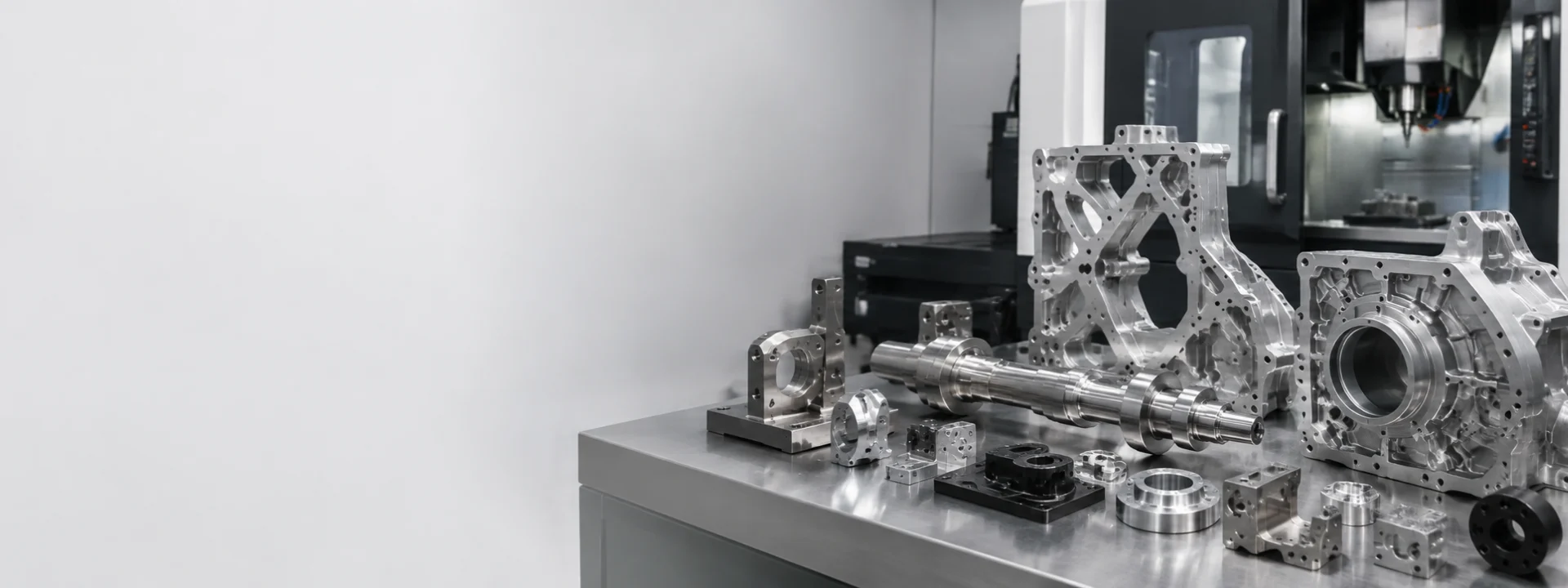
We provide precision CNC machining services for industrial equipment components, including machine housings, structural parts, shafts, brackets, and custom mechanical parts with reliable manufacturing support.
 Get Free Quote
Industrial Equipment CNC Machining
Industrial machinery depends on parts that keep shafts aligned, seals supported, motion controlled and assemblies serviceable. Karry Precision manufactures custom industrial equipment parts to customer drawings, from prototype validation and machine-build quantities to repeat spare-part orders.
Industrial Equipment Manufacturing Challenges
A component can meet its overall dimensions and still fail in service if a bearing seat, sealing face, mounting datum or mating hole pattern is unstable. The quotation review should identify the features that control equipment performance.
Coaxiality, roundness, fit and surface condition must be considered together for rotating assemblies.
Material condition, heat treatment, edge design and finish influence service life on clamps, slides, shafts and tooling parts.
Flatness, groove geometry, thread quality and surface finish matter on manifolds, valve bodies and hydraulic components.
Datum selection and tolerance allocation help prevent misalignment across frames, rails, brackets and moving mechanisms.
Released revisions, inspection points and finish requirements should remain linked to the approved spare-part configuration.
Machining, grinding, EDM, sheet metal and finishing steps need one clear specification and acceptance path.
Industrial Equipment Parts We Manufacture
We manufacture to your drawings rather than a fixed catalog. Exact geometry, size, load, material condition, finish and documentation requirements are confirmed before quotation.
Industrial CNC Machining Capabilities
The route is built around the features that control machine performance—not simply the fastest way to remove material.
Machining for plates, bases, brackets, housings, fixtures and structural components with controlled datum relationships.
Complex multi-face parts and angled features completed with fewer setups to improve positional consistency.
Shafts, sleeves, flanges, bushings and threaded bodies with secondary holes, flats and milled interfaces.
Surface and cylindrical grinding support controlled flatness, roundness, size and bearing or sealing surfaces.
Useful for narrow slots, hard materials, tooling profiles and precision features that are difficult to cut conventionally.
Hole patterns, ports, dowel holes and threaded interfaces planned around depth, access, burr control and assembly use.
Complementary covers, guards, brackets and formed components coordinated with machined parts in the same assembly.
Review of datums, fits, tolerance stack, tool access, finish allowance and measurement strategy before production.
Send the drawing, material condition, critical fits, finish, quantity and required inspection records for a practical manufacturing review.
Materials for Industrial Equipment Parts
A material name alone does not define performance. Grade, condition, heat treatment, hardness, grain direction and certificate requirements should be stated where they affect the application.
For loaded shafts, blocks, brackets and drive components.
Strength, fatigue, weldability, machinability and heat-treatment condition.
Shafts, couplings, machine blocks, wear components and fixtures.
For tooling and wear-intensive components when hardness is controlled.
Heat treatment, distortion allowance, final hardness and grinding stock.
Locators, wear plates, punches, fixture elements and machine tooling.
For corrosion resistance, cleanability and durable equipment hardware.
Grade, corrosion environment, magnetic behavior, passivation and finish.
Fluid components, food-equipment hardware, shafts, brackets and guards.
For low weight, machinability and good thermal performance.
Strength, stiffness, anodizing response, flatness and thread durability.
Automation plates, housings, brackets, fixtures and heat-control parts.
For conductivity, bearing behavior, wear resistance or fluid hardware.
Electrical or thermal function, friction, corrosion and plating needs.
Bushings, contacts, inserts, wear parts, heat spreaders and fittings.
For insulation, low friction, chemical resistance or reduced weight.
Moisture absorption, temperature, creep, chemical exposure and fit.
Guides, gears, rollers, wear strips, insulators and change parts.
Surface Treatments for Industrial Machinery Parts
Industrial surface treatment should support service conditions and fit requirements. Coating thickness, masked zones, sealing faces and post-treatment dimensions must be defined before release.
A low-build dark conversion finish for compatible steel tooling, fixtures and machine hardware with light corrosion protection.
Applied to compatible steel, copper or brass parts when corrosion resistance, wear or conductivity is required.
Improves aluminum corrosion and wear resistance; coating allowance and threaded or fitted areas require review.
Supports corrosion resistance on stainless components by removing free iron contamination after machining.
Provides durable color and environmental protection for guards, covers, brackets and external machine structures.
Controls functional smoothness, directional texture or appearance where bearing, sealing or visible surfaces require it.
Creates a uniform matte texture and prepares suitable parts for a consistent final appearance or coating process.
Adds part numbers, orientation marks or maintenance identifiers when location, depth and contrast are specified.
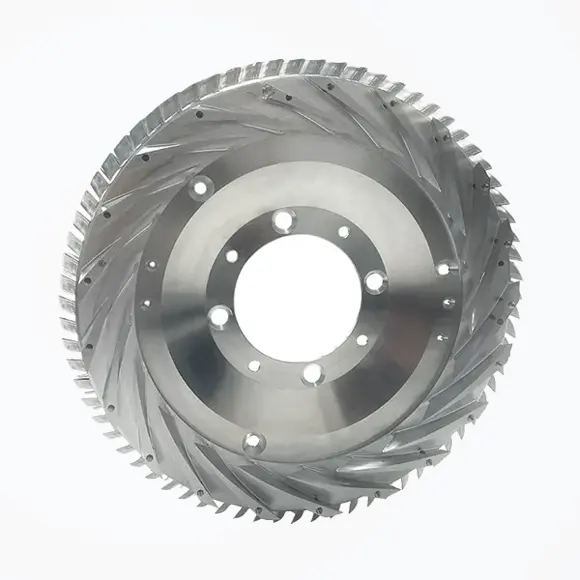
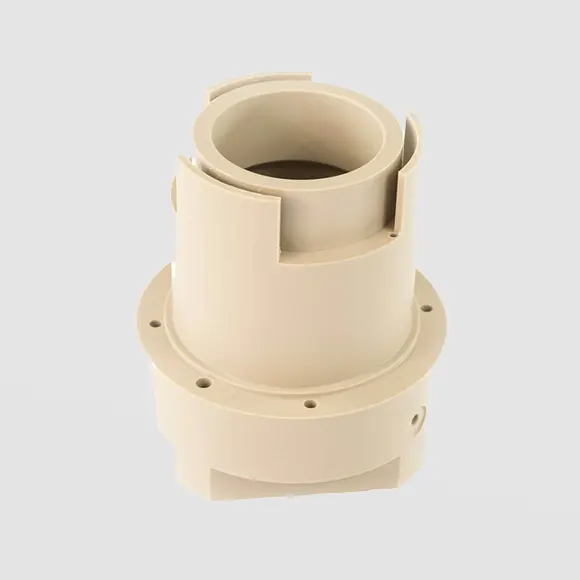
Industrial Equipment Machining Cases
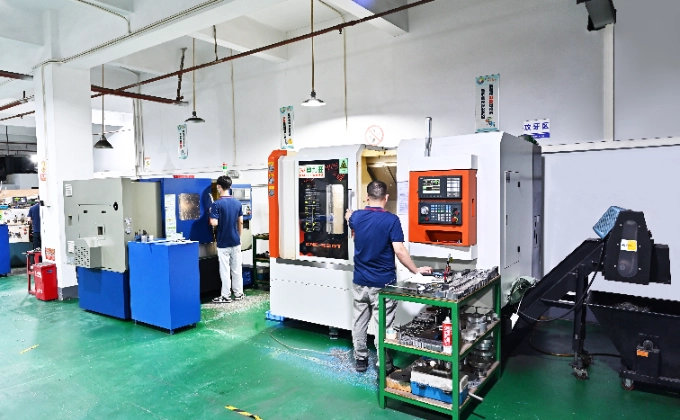
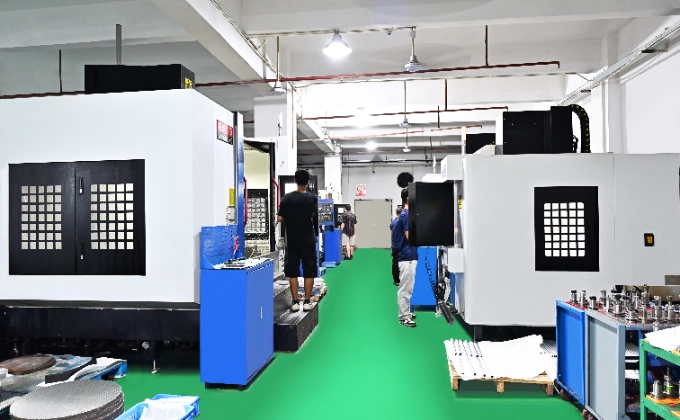
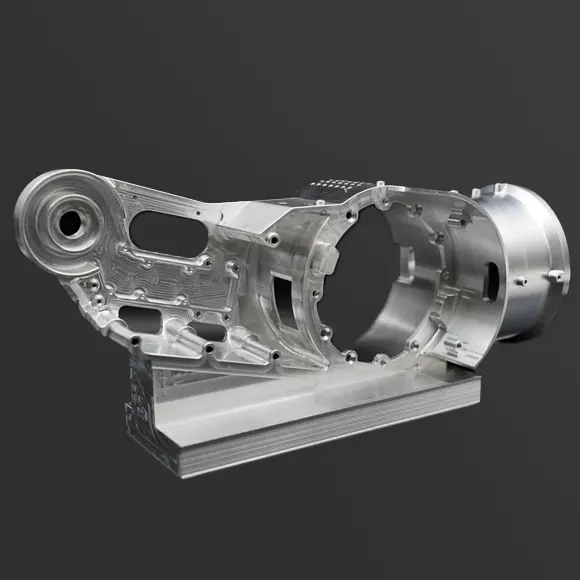
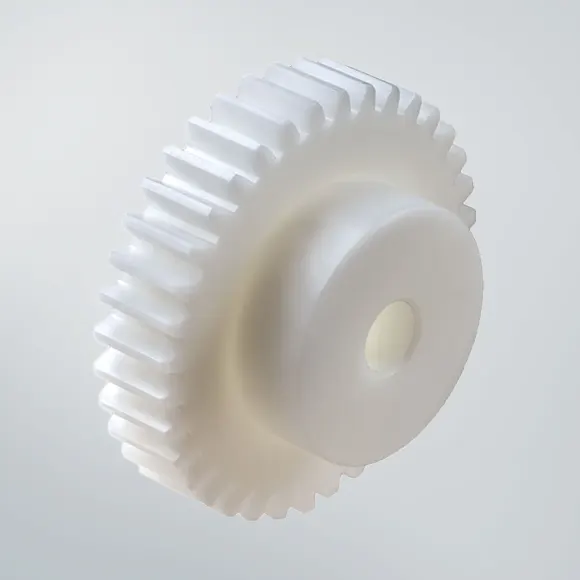
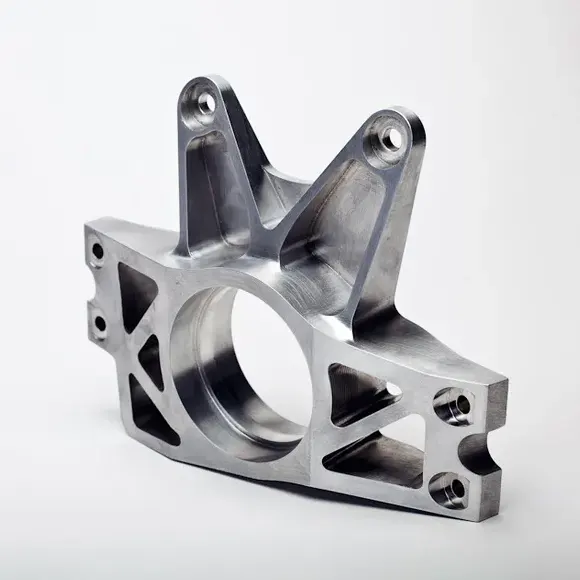
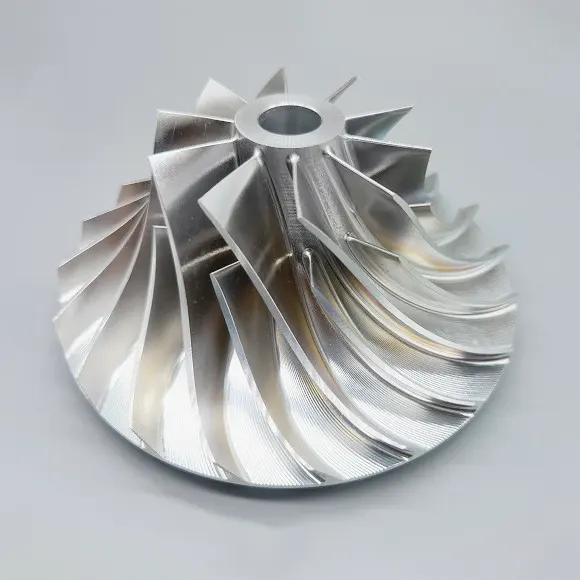
These examples focus on industrial motion, machine structures, plastic drive parts, formed hardware and complex CNC components. Each image is different from the assets used on the automotive, medical-device and consumer-electronics pages.
Why Choose Karry Precision
The objective is not only to ship a dimensionally acceptable part, but to preserve the information needed for assembly, service and repeat production.
Experience supporting custom precision components across industrial and high-accuracy applications.
Incoming, in-process and final checks planned around critical features and documented requirements.
Manufacturing feedback and approved requirements retained to support later machine builds or spares.
Machining and supporting processes managed through one project path to reduce supplier handoffs.
Industrial Equipment CNC Machining FAQ
Clear load, fit, finish and inspection information helps us propose a more reliable manufacturing route.
We manufacture drawing-based shafts, sleeves, bushings, housings, flanges, manifolds, tooling plates, robot and automation components, brackets, fixtures, gears, machine change parts and custom spare parts.
Yes, when an approved drawing or complete measurable specification is available. We do not assume the function or safety requirements of an unidentified sample; the customer must approve the released specification before production.
Send a 3D model, dimensioned 2D drawing, material grade and condition, heat-treatment or hardness requirements, critical fits, surface finish, quantity, inspection needs and the intended service environment.
Yes. Prototype, machine-build and repeat low-volume requirements can be reviewed with DFM feedback and inspection planning. Lead time depends on material, geometry, finishing and documentation.
Tolerance capability depends on part size, geometry, material, heat treatment, wall thickness, datum structure and measurement method. Mark critical fits and interfaces so the process can be confirmed before quotation.
Hardened and ground components can be reviewed when the steel grade, target hardness, heat-treatment sequence, grinding allowance and final inspection requirements are specified.
Material certificates, dimensional reports and other project records can be quoted when the required scope, format and retention expectations are defined in the RFQ.
Released drawings, approved revisions, process notes, critical inspection points and finish requirements can be retained for repeat orders. Any engineering change should be issued through a controlled revision.
Send the drawing and identify the fits, loads, service environment, material condition and inspection records that matter to the machine.