
 Contact Us
  Home /
Professional Surface Finishing for CNC Machined Parts
Enhance the appearance, durability, and performance of your CNC machined parts with reliable surface finishing services. From anodizing and plating to polishing, brushing, and coating, we provide finishes tailored to your material and application requirements.
 Get Free Quote


Surface Finishing
-
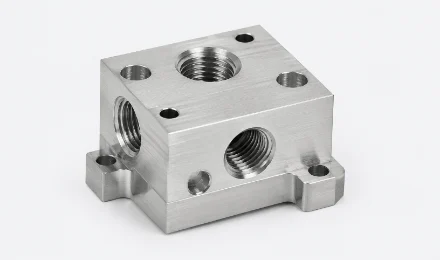 Standard (As-Milled) (Ra 125μin)N/aMetalsPlastics
The standard as-milled finish retains the natural CNC machining surface with visible but controlled tool marks. It is a practical choice for functional prototypes, internal components, fixtures, and production parts where appearance is secondary to dimensional accuracy and performance.
-
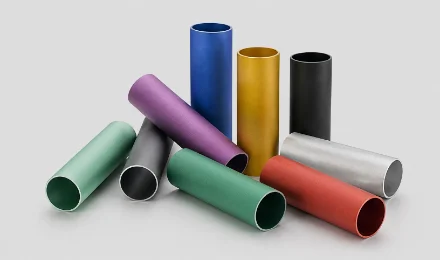 Bead blast + Anodized ColorMetals
Bead blasting creates a soft, uniform matte texture before anodizing adds a durable colored oxide layer. The combination provides a refined appearance while improving corrosion resistance and surface durability, making it suitable for housings, enclosures, consumer products, and precision aluminum components.
-
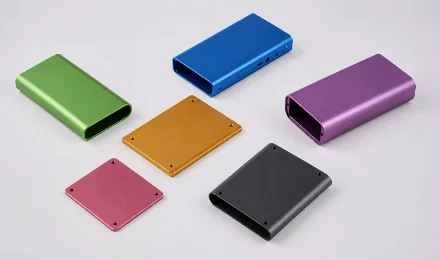 AnodizedMetals
Anodizing forms a controlled oxide layer directly on the aluminum surface, improving corrosion resistance, wear resistance, and overall appearance. A wide range of colors can be achieved while maintaining the dimensional precision required for CNC-machined components.
-
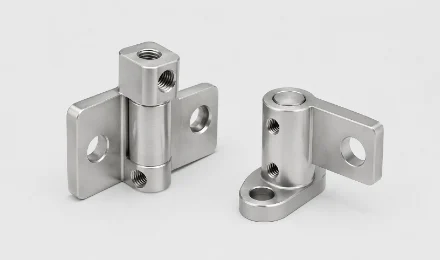 Electrically Conductive OxidationN/aMetals
Electrically conductive oxidation applies a thin conversion layer to aluminum while retaining good surface conductivity. It is commonly selected for electronic housings, grounding components, communication equipment, and other parts requiring corrosion protection with low electrical contact resistance.
-
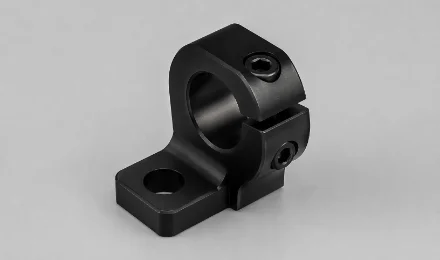 Black OxideN/aMetals
Black oxide creates a thin dark conversion layer that gives metal parts a uniform black appearance with minimal dimensional change. It is often used on precision mechanical components, fasteners, tooling, fixtures, and hardware, typically with oil or sealing treatment for additional corrosion protection.
-
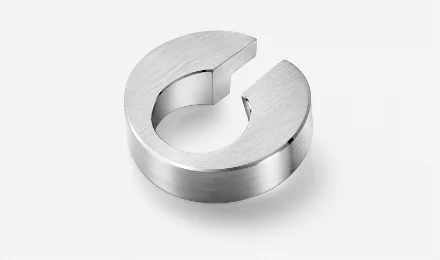 BrushedN/aMetals
Brushing produces a consistent directional grain across the metal surface, giving parts a clean and refined industrial appearance. It also helps reduce the visibility of minor surface marks and is widely used for panels, covers, decorative components, housings, and consumer-facing metal parts.
-
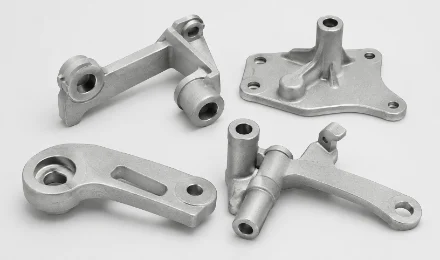 Bead BlastN/aMetalsPlastics
Bead blasting uses fine media to create a uniform, non-reflective matte surface while preserving the overall geometry of the part. It is ideal for reducing machining marks and producing a consistent finish on housings, brackets, structural components, and visible CNC-machined parts.
-
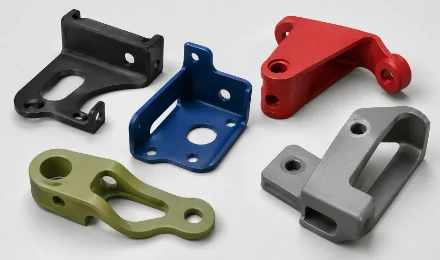 Spray Painting - Matt PaintMetalsPlastics
Matte spray painting provides an even, low-gloss surface with a soft visual texture and broad color flexibility. It is suitable for housings, covers, brackets, equipment components, and consumer products where both appearance and surface protection are important.
-
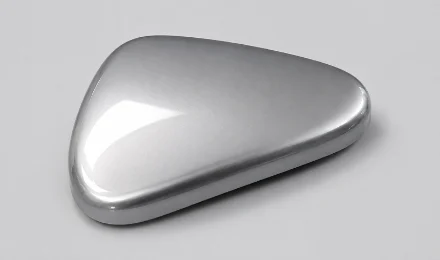 Spray Painting - High Gloss PaintMetalsPlastics
High-gloss spray painting creates a smooth, reflective finish with strong visual depth and a premium appearance. It is commonly used for decorative housings, consumer-facing parts, display components, covers, and products requiring a polished surface presentation.
-
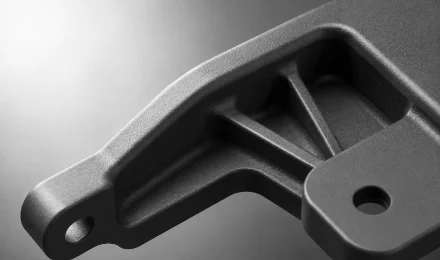 Powder Coat - MattMetals
Matte powder coating forms a durable protective layer with a consistent low-gloss texture. It offers good resistance to wear, scratching, and corrosion, making it well suited for brackets, frames, enclosures, machinery components, and other metal parts used in demanding environments.
-
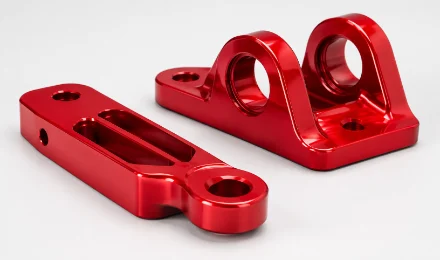 Powder Coat - High GlossMetals
High-gloss powder coating applies a dry powder to the metal surface and cures it under heat to form a smooth, durable coating. It provides excellent wear and corrosion resistance while creating a bright, glossy appearance suitable for housings, brackets, frames, and visible metal components.
-
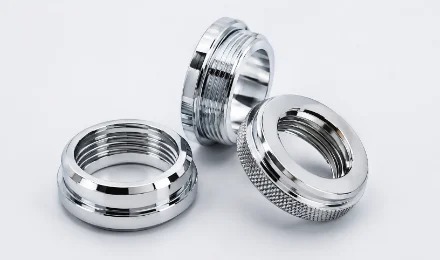 Chrome PlatingN/aMetals
Chrome plating deposits a thin chromium layer onto the part to create a bright, reflective metallic surface. In addition to its decorative appearance, the finish can improve surface hardness, wear resistance, corrosion resistance, and ease of cleaning.
-
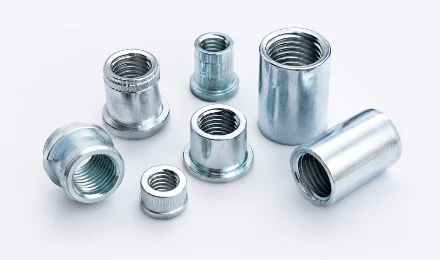 Zinc PlatingN/aMetals
Zinc plating forms a protective zinc layer over steel or iron components to help prevent oxidation and rust. It is commonly used for fasteners, threaded parts, brackets, fittings, and other functional components requiring economical corrosion protection.
-
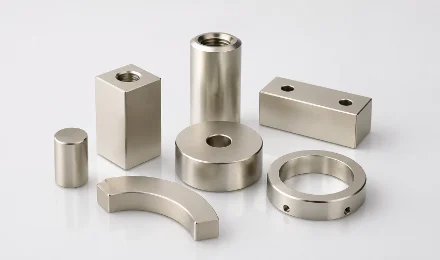 Nickel PlatingN/aMetals
Nickel plating creates a smooth metallic coating with good corrosion resistance, wear resistance, and surface hardness. It is suitable for precision components, hardware, connectors, housings, and decorative parts that require a clean and consistent metal finish.
-
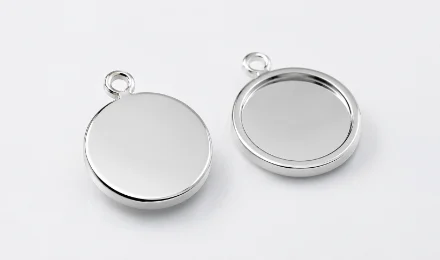 Silver PlatingN/aMetals
Silver plating deposits a thin layer of silver onto a metal component, providing excellent electrical conductivity together with a bright decorative surface. It is often used for electrical contacts, connectors, precision components, and parts where conductivity and surface quality are important.
-
 Gold PlatingN/aMetals
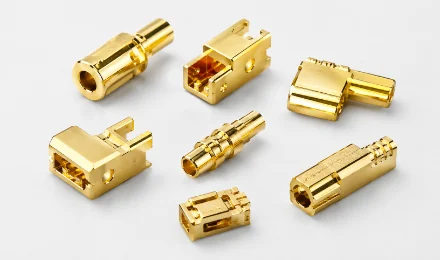
Gold plating applies a thin gold layer over a prepared metal surface to provide excellent corrosion resistance, electrical conductivity, and a premium decorative appearance. It is commonly used for electrical contacts, connectors, precision hardware, decorative components, and high-value applications.
-
 Tin PlatingN/aMetals
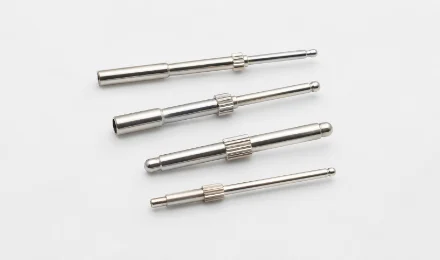
Tin plating creates a thin, silver-white protective coating that offers good corrosion resistance and solderability. It is widely used for terminals, contacts, connectors, small mechanical components, and electronic parts requiring a reliable conductive surface.
-
 Vacuum Plating - High Gloss PaintPlastics
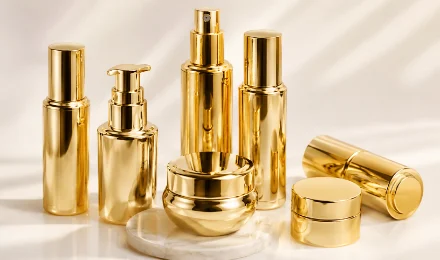
Vacuum plating forms a thin metallic layer on the component and is combined with a high-gloss coating to create a highly reflective decorative finish. It is suitable for cosmetic housings, decorative covers, consumer products, accessories, and other parts requiring a premium metallic appearance.
-
 Vacuum Plating - Matt PaintPlastics
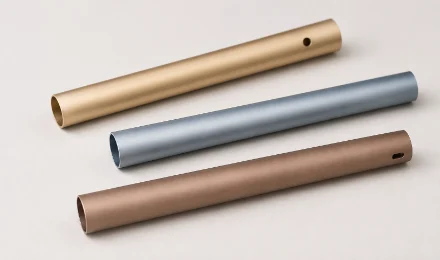
Vacuum plating with a matte topcoat creates a metallic appearance with a softer, low-gloss surface. It provides a refined visual texture with less reflection than high-gloss finishes and is often used for housings, handles, decorative components, and consumer-facing products.
-
 #1000 SandingN/aMetalsPlastics
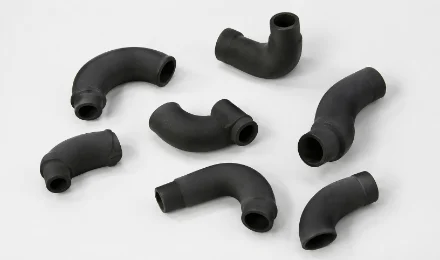
#1000 sanding uses fine abrasive material to smooth the part surface and reduce visible machining marks, scratches, or minor imperfections. It produces a fine, uniform texture and is commonly used as a final cosmetic finish or as surface preparation before painting, plating, or other secondary treatments.
-
 SilkscreenMetalsPlastics
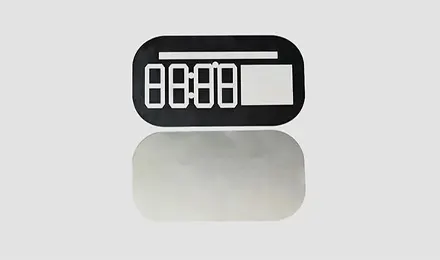
Silkscreen printing transfers ink through a patterned mesh onto the part surface to create logos, symbols, scales, instructions, or decorative graphics. It is suitable for flat or gently curved housings, panels, covers, and control components that require clear, repeatable markings.
-
 Laser EngravingN/aMetalsPlastics
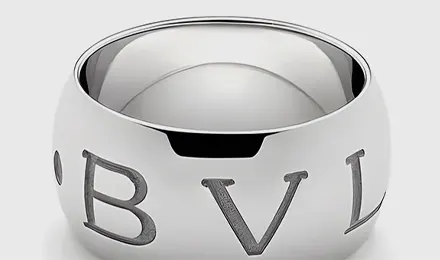
Laser engraving uses a focused laser beam to create permanent markings directly on the part surface. It is ideal for serial numbers, logos, QR codes, identification marks, and technical information that must remain legible without using inks or labels.
-
 Smooth Machining (Ra1.6µm, 63 µin)N/aMetalsPlastics
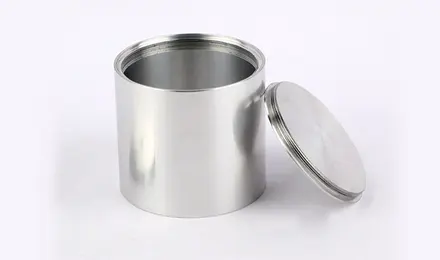
Smooth machining uses controlled CNC finishing passes to reduce tool marks and achieve a more refined surface than a standard as-machined finish. A typical surface roughness of Ra 1.6 μm provides a clean functional appearance while maintaining dimensional accuracy and tight tolerances.
-
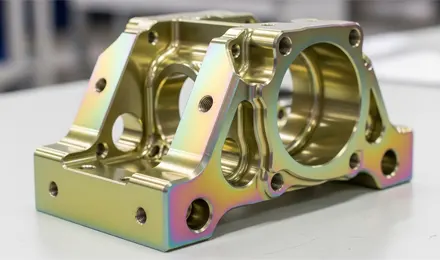 Chemical Conversion Coat (Chem Film)N/aMetals
Chemical conversion coating forms a very thin protective layer on aluminum to improve corrosion resistance while maintaining good electrical conductivity. It is commonly used for aerospace, electronics, communication housings, grounding surfaces, and precision aluminum components.
-
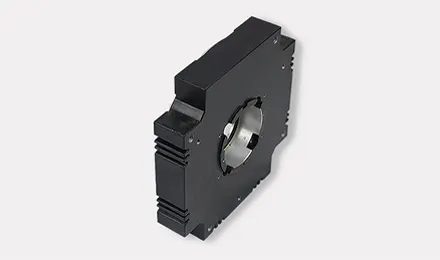 ElectrophoresisN/aMetals
Electrophoretic coating uses an electrical field to deposit a uniform paint film onto conductive metal parts. The process provides consistent coverage, including recessed areas and complex geometries, while improving corrosion resistance and giving the component a smooth, durable finish.
-
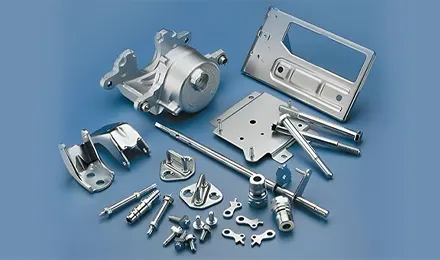 PassivationN/aMetals
Passivation chemically removes free iron and surface contaminants from stainless steel, helping restore and strengthen its natural corrosion-resistant oxide layer. It is widely used for medical, food-processing, chemical, and precision stainless-steel components where cleanliness and corrosion resistance are important.
-
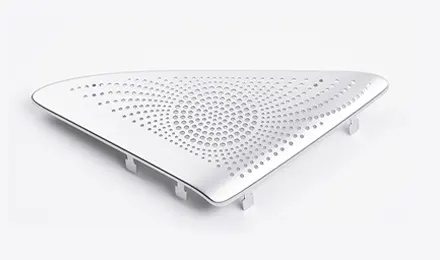 EtchingN/aMetals
Etching selectively removes or alters a thin surface layer to create permanent patterns, identification marks, textures, or detailed graphics. Depending on the application, chemical or electrochemical methods can be used for nameplates, scales, decorative patterns, and functional surface features.
-
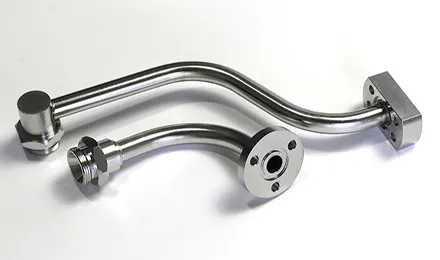 Electropolished (Ra0.8µm, 32µin)N/aMetals
Electropolishing removes a controlled microscopic layer from the metal surface through an electrochemical process, reducing peaks and improving smoothness. It produces a cleaner, brighter finish with improved corrosion resistance and is especially useful for stainless-steel medical, food, and precision components.
-
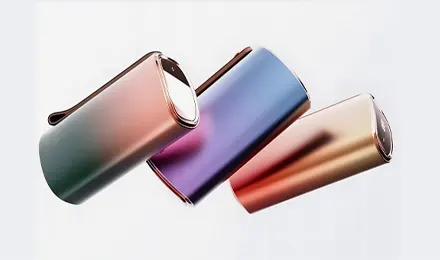 PVD (Physical Vapor Deposition)N/aMetals
PVD deposits a very thin, strongly bonded coating onto the component in a controlled vacuum environment. It can improve surface hardness, wear resistance, corrosion performance, and appearance while adding minimal thickness, making it suitable for precision, decorative, and high-wear parts.
-
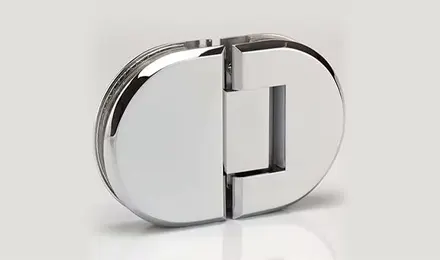 PicklingN/aMetals
Pickling uses a controlled chemical solution to remove oxide scale, heat tint, rust, and other surface contamination from metal parts. It is commonly used after welding or heat treatment to restore a clean metal surface before passivation, coating, or further finishing.
-
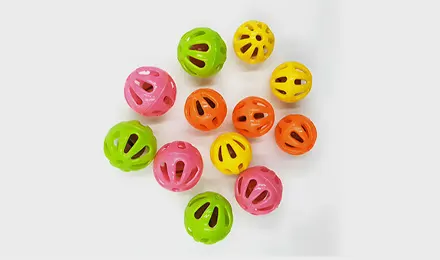 DyeingPlastics
Dyeing introduces color into compatible plastic parts by allowing the dye to penetrate the material surface rather than forming a separate coating layer. It provides a uniform, lightweight finish and is commonly used for nylon and other suitable engineering plastics where color customization is required without significantly changing part dimensions.
-
Standard (As-Milled) (Ra 125μin)Colors:N/aApplicable Materials:MetalsPlasticsDescription:
The standard as-milled finish retains the natural CNC machining surface with visible but controlled tool marks. It is a practical choice for functional prototypes, internal components, fixtures, and production parts where appearance is secondary to dimensional accuracy and performance.
-
Bead blast + Anodized ColorColors:Applicable Materials:MetalsDescription:
Bead blasting creates a soft, uniform matte texture before anodizing adds a durable colored oxide layer. The combination provides a refined appearance while improving corrosion resistance and surface durability, making it suitable for housings, enclosures, consumer products, and precision aluminum components.
-
AnodizedColors:Applicable Materials:MetalsDescription:
Anodizing forms a controlled oxide layer directly on the aluminum surface, improving corrosion resistance, wear resistance, and overall appearance. A wide range of colors can be achieved while maintaining the dimensional precision required for CNC-machined components.
-
Electrically Conductive OxidationColors:N/aApplicable Materials:MetalsDescription:
Electrically conductive oxidation applies a thin conversion layer to aluminum while retaining good surface conductivity. It is commonly selected for electronic housings, grounding components, communication equipment, and other parts requiring corrosion protection with low electrical contact resistance.
-
Black OxideColors:N/aApplicable Materials:MetalsDescription:
Black oxide creates a thin dark conversion layer that gives metal parts a uniform black appearance with minimal dimensional change. It is often used on precision mechanical components, fasteners, tooling, fixtures, and hardware, typically with oil or sealing treatment for additional corrosion protection.
-
BrushedColors:N/aApplicable Materials:MetalsDescription:
Brushing produces a consistent directional grain across the metal surface, giving parts a clean and refined industrial appearance. It also helps reduce the visibility of minor surface marks and is widely used for panels, covers, decorative components, housings, and consumer-facing metal parts.
-
Bead BlastColors:N/aApplicable Materials:MetalsPlasticsDescription:
Bead blasting uses fine media to create a uniform, non-reflective matte surface while preserving the overall geometry of the part. It is ideal for reducing machining marks and producing a consistent finish on housings, brackets, structural components, and visible CNC-machined parts.
-
Spray Painting - Matt PaintColors:Applicable Materials:MetalsPlasticsDescription:
Matte spray painting provides an even, low-gloss surface with a soft visual texture and broad color flexibility. It is suitable for housings, covers, brackets, equipment components, and consumer products where both appearance and surface protection are important.
-
Spray Painting - High Gloss PaintColors:Applicable Materials:MetalsPlasticsDescription:
High-gloss spray painting creates a smooth, reflective finish with strong visual depth and a premium appearance. It is commonly used for decorative housings, consumer-facing parts, display components, covers, and products requiring a polished surface presentation.
-
Powder Coat - MattColors:Applicable Materials:MetalsDescription:
Matte powder coating forms a durable protective layer with a consistent low-gloss texture. It offers good resistance to wear, scratching, and corrosion, making it well suited for brackets, frames, enclosures, machinery components, and other metal parts used in demanding environments.
-
Powder Coat - High GlossColors:Applicable Materials:MetalsDescription:
High-gloss powder coating applies a dry powder to the metal surface and cures it under heat to form a smooth, durable coating. It provides excellent wear and corrosion resistance while creating a bright, glossy appearance suitable for housings, brackets, frames, and visible metal components.
-
Chrome PlatingColors:N/aApplicable Materials:MetalsDescription:
Chrome plating deposits a thin chromium layer onto the part to create a bright, reflective metallic surface. In addition to its decorative appearance, the finish can improve surface hardness, wear resistance, corrosion resistance, and ease of cleaning.
-
Zinc PlatingColors:N/aApplicable Materials:MetalsDescription:
Zinc plating forms a protective zinc layer over steel or iron components to help prevent oxidation and rust. It is commonly used for fasteners, threaded parts, brackets, fittings, and other functional components requiring economical corrosion protection.
-
Nickel PlatingColors:N/aApplicable Materials:MetalsDescription:
Nickel plating creates a smooth metallic coating with good corrosion resistance, wear resistance, and surface hardness. It is suitable for precision components, hardware, connectors, housings, and decorative parts that require a clean and consistent metal finish.
-
Silver PlatingColors:N/aApplicable Materials:MetalsDescription:
Silver plating deposits a thin layer of silver onto a metal component, providing excellent electrical conductivity together with a bright decorative surface. It is often used for electrical contacts, connectors, precision components, and parts where conductivity and surface quality are important.
-
Gold PlatingColors:N/aApplicable Materials:MetalsDescription:
Gold plating applies a thin gold layer over a prepared metal surface to provide excellent corrosion resistance, electrical conductivity, and a premium decorative appearance. It is commonly used for electrical contacts, connectors, precision hardware, decorative components, and high-value applications.
-
Tin PlatingColors:N/aApplicable Materials:MetalsDescription:
Tin plating creates a thin, silver-white protective coating that offers good corrosion resistance and solderability. It is widely used for terminals, contacts, connectors, small mechanical components, and electronic parts requiring a reliable conductive surface.
-
Vacuum Plating - High Gloss PaintColors:Applicable Materials:PlasticsDescription:
Vacuum plating forms a thin metallic layer on the component and is combined with a high-gloss coating to create a highly reflective decorative finish. It is suitable for cosmetic housings, decorative covers, consumer products, accessories, and other parts requiring a premium metallic appearance.
-
Vacuum Plating - Matt PaintColors:Applicable Materials:PlasticsDescription:
Vacuum plating with a matte topcoat creates a metallic appearance with a softer, low-gloss surface. It provides a refined visual texture with less reflection than high-gloss finishes and is often used for housings, handles, decorative components, and consumer-facing products.
-
#1000 SandingColors:N/aApplicable Materials:MetalsPlasticsDescription:
#1000 sanding uses fine abrasive material to smooth the part surface and reduce visible machining marks, scratches, or minor imperfections. It produces a fine, uniform texture and is commonly used as a final cosmetic finish or as surface preparation before painting, plating, or other secondary treatments.
-
SilkscreenColors:Applicable Materials:MetalsPlasticsDescription:
Silkscreen printing transfers ink through a patterned mesh onto the part surface to create logos, symbols, scales, instructions, or decorative graphics. It is suitable for flat or gently curved housings, panels, covers, and control components that require clear, repeatable markings.
-
Laser EngravingColors:N/aApplicable Materials:MetalsPlasticsDescription:
Laser engraving uses a focused laser beam to create permanent markings directly on the part surface. It is ideal for serial numbers, logos, QR codes, identification marks, and technical information that must remain legible without using inks or labels.
-
Smooth Machining (Ra1.6µm, 63 µin)Colors:N/aApplicable Materials:MetalsPlasticsDescription:
Smooth machining uses controlled CNC finishing passes to reduce tool marks and achieve a more refined surface than a standard as-machined finish. A typical surface roughness of Ra 1.6 μm provides a clean functional appearance while maintaining dimensional accuracy and tight tolerances.
-
Chemical Conversion Coat (Chem Film)Colors:N/aApplicable Materials:MetalsDescription:
Chemical conversion coating forms a very thin protective layer on aluminum to improve corrosion resistance while maintaining good electrical conductivity. It is commonly used for aerospace, electronics, communication housings, grounding surfaces, and precision aluminum components.
-
ElectrophoresisColors:N/aApplicable Materials:MetalsDescription:
Electrophoretic coating uses an electrical field to deposit a uniform paint film onto conductive metal parts. The process provides consistent coverage, including recessed areas and complex geometries, while improving corrosion resistance and giving the component a smooth, durable finish.
-
PassivationColors:N/aApplicable Materials:MetalsDescription:
Passivation chemically removes free iron and surface contaminants from stainless steel, helping restore and strengthen its natural corrosion-resistant oxide layer. It is widely used for medical, food-processing, chemical, and precision stainless-steel components where cleanliness and corrosion resistance are important.
-
EtchingColors:N/aApplicable Materials:MetalsDescription:
Etching selectively removes or alters a thin surface layer to create permanent patterns, identification marks, textures, or detailed graphics. Depending on the application, chemical or electrochemical methods can be used for nameplates, scales, decorative patterns, and functional surface features.
-
Electropolished (Ra0.8µm, 32µin)Colors:N/aApplicable Materials:MetalsDescription:
Electropolishing removes a controlled microscopic layer from the metal surface through an electrochemical process, reducing peaks and improving smoothness. It produces a cleaner, brighter finish with improved corrosion resistance and is especially useful for stainless-steel medical, food, and precision components.
-
PVD (Physical Vapor Deposition)Colors:N/aApplicable Materials:MetalsDescription:
PVD deposits a very thin, strongly bonded coating onto the component in a controlled vacuum environment. It can improve surface hardness, wear resistance, corrosion performance, and appearance while adding minimal thickness, making it suitable for precision, decorative, and high-wear parts.
-
PicklingColors:N/aApplicable Materials:MetalsDescription:
Pickling uses a controlled chemical solution to remove oxide scale, heat tint, rust, and other surface contamination from metal parts. It is commonly used after welding or heat treatment to restore a clean metal surface before passivation, coating, or further finishing.
-
DyeingColors:Applicable Materials:PlasticsDescription:
Dyeing introduces color into compatible plastic parts by allowing the dye to penetrate the material surface rather than forming a separate coating layer. It provides a uniform, lightweight finish and is commonly used for nylon and other suitable engineering plastics where color customization is required without significantly changing part dimensions.