 Contact Us
Contamination Control
Define cleaning level, prohibited residues, glove handling, surface protection and packaging expectations for critical parts.
 Home /
We provide precision CNC machining services for medical device components, including surgical parts, medical equipment housings, and custom healthcare components with reliable quality control and manufacturing support.
 Get Free Quote
CNC Machining for Medical Devices
Medical equipment teams need more than accurate dimensions. Material identity, controlled handling, inspection access and consistent records must be considered from the first prototype through repeat orders. Karry Precision manufactures custom non-implantable medical-device and laboratory-equipment components to customer drawings, with project-specific controls confirmed during quotation.
Critical surfaces, cleaning expectations, handling limits and protective packaging can be defined before production begins.
Dimensions, threads, sealing faces and appearance requirements are checked with methods selected for the feature and tolerance.
Process notes and inspection requirements can be carried from engineering samples into repeat low-volume production.
Medical Manufacturing Priorities
The most expensive problems often appear at interfaces: a sealing face that is difficult to inspect, a finish that conflicts with the material, or a critical feature that is damaged during handling. We review these risks before the machining route is fixed.
Define cleaning level, prohibited residues, glove handling, surface protection and packaging expectations for critical parts.
Specify material grade, certificate requirements, lot identification and any record-retention needs in the RFQ.
Thin walls, miniature bores, sealing faces and fine threads require stable workholding and an inspection plan matched to the feature.
Finish choice must support corrosion resistance, cleanability, appearance and the intended equipment environment without obscuring critical geometry.
Parts We Can Manufacture
Every part is produced to the customer’s drawing rather than a fixed catalog. The examples below focus on equipment hardware and non-implantable applications; regulated or patient-contact requirements must be identified before quotation.
Include material grade, critical dimensions, surface finish, cleanliness expectations, documentation needs and forecast quantity for a more useful manufacturing review.
Materials for Medical Equipment
Corrosion resistance, cleanability, strength, weight, electrical behavior and sterilization exposure can all influence the material choice. Exact grade, condition and certificate requirements should be stated on the drawing or purchase specification.
Selected for corrosion resistance and cleanable equipment components where the design and environment call for it.
Typical use: manifolds, fluid hardware, instrument parts
A practical stainless option for structural and visible hardware in many laboratory and medical-equipment assemblies.
Typical use: brackets, covers, equipment hardware
Combines high strength with corrosion resistance when the specified heat-treatment condition is controlled.
Typical use: loaded shafts, clamps, tool components
Useful where high strength-to-weight ratio and corrosion resistance are required; grade and end-use approval must be specified.
Typical use: lightweight instrument and equipment parts
Machinable, lightweight and compatible with anodizing for non-contact equipment structures and housings.
Typical use: frames, mounts, housings, heat-control parts
Higher-strength aluminum for compact structural parts where weight and stiffness are important.
Typical use: loaded brackets, stages, precision supports
Engineering polymers for demanding thermal, chemical or electrical requirements, subject to the specified grade.
Typical use: insulators, guides, instrument hardware
Options for low friction, chemical resistance, dimensional stability or transparency according to the component function.
Typical use: guides, seal supports, covers, fixtures
Medical CNC Machining Capabilities
The machining route is selected around feature access, burr control, sealing surfaces, inspection strategy, material behavior and the intended production stage.
Complex contours and multi-face features completed with fewer setups to reduce repositioning error.
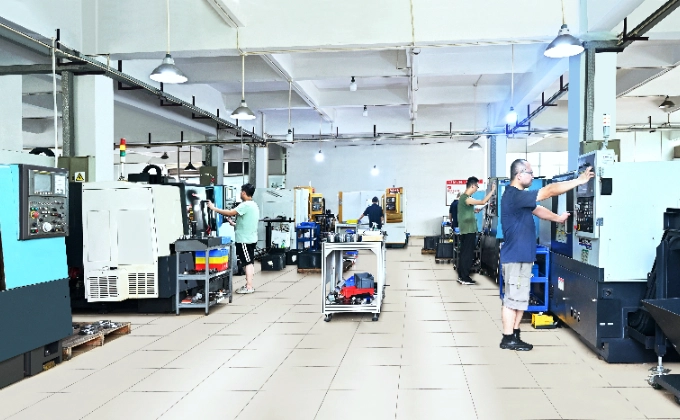
Controlled milling for housings, plates, carriers, brackets, stages and instrument structures.
Shafts, sleeves, connectors and cylindrical bodies produced with turning, drilling and milling features.
Small bores, threaded features and precision hole patterns with tool access and burr risk reviewed before machining.
Supports narrow slots, difficult profiles and tooling features that are not practical with conventional cutting alone.
Surface and cylindrical grinding support tight fits, flatness, roundness and controlled bearing surfaces.
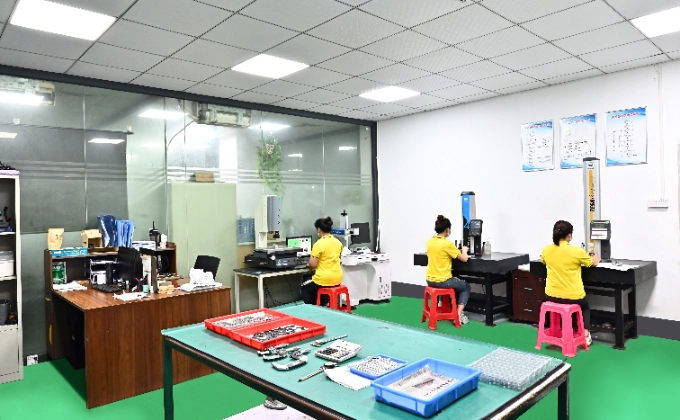
Incoming checks, in-process verification and final inspection are planned around drawing requirements.
Part numbers, orientation marks or project identifiers can be added when location and acceptance criteria are defined.
Practical feedback on tool access, wall thickness, corner radii, tolerances, finish and inspection access.
Project-specific cleaning, glove handling, surface protection and individual packaging can be arranged when specified.
Surface Finishes for Medical Equipment Parts
The same finish serves a different purpose in medical equipment than in automotive hardware. Here the focus is usually cleanability, corrosion behavior, low particle retention, controlled appearance and durable identification.
Supports stainless-steel corrosion resistance by removing free iron contamination after machining.
Reduces roughness or refines appearance where a smoother, easier-to-clean surface is specified.
Creates a consistent matte appearance on suitable components, with masking and contamination controls defined in advance.
Adds corrosion and wear resistance to aluminum equipment housings, frames and non-contact structural parts.
Can improve wear, corrosion resistance or electrical performance on compatible components when thickness is controlled.
A durable colored coating for external enclosures and frames where masking and cleanable edges are defined.
A low-reflective conversion finish for compatible steel tooling and fixtures; generally not selected for critical fluid-contact surfaces.
Permanent identifiers and orientation marks can support assembly and traceability without adding a label.
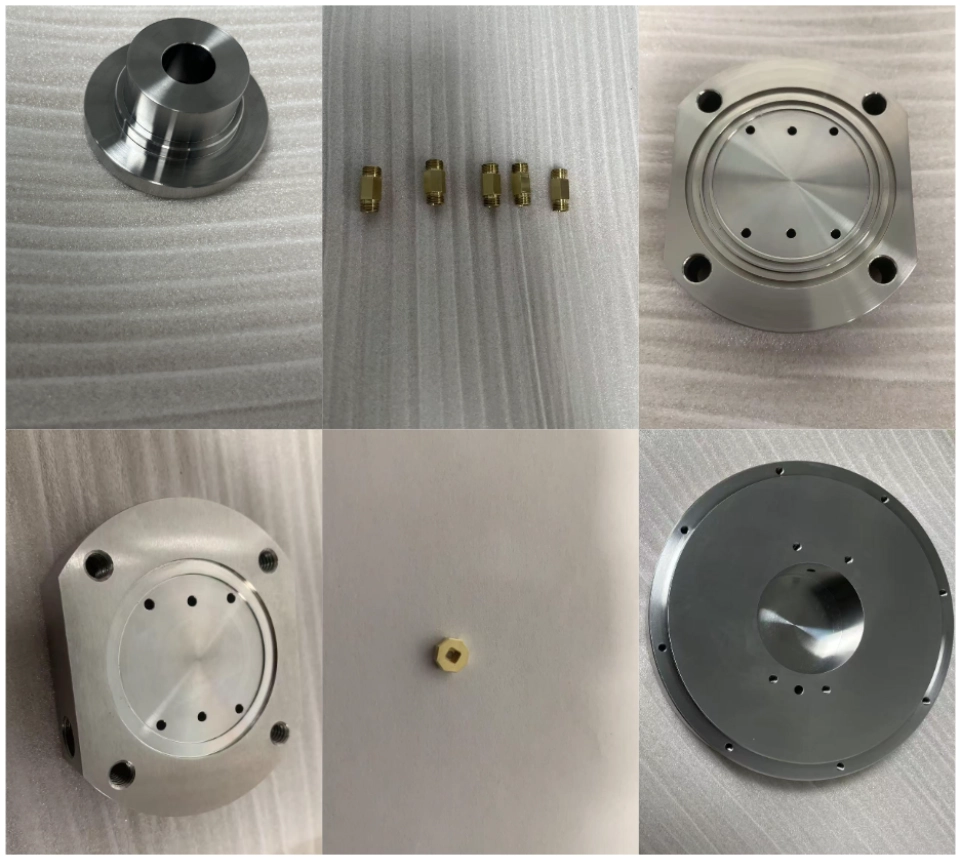
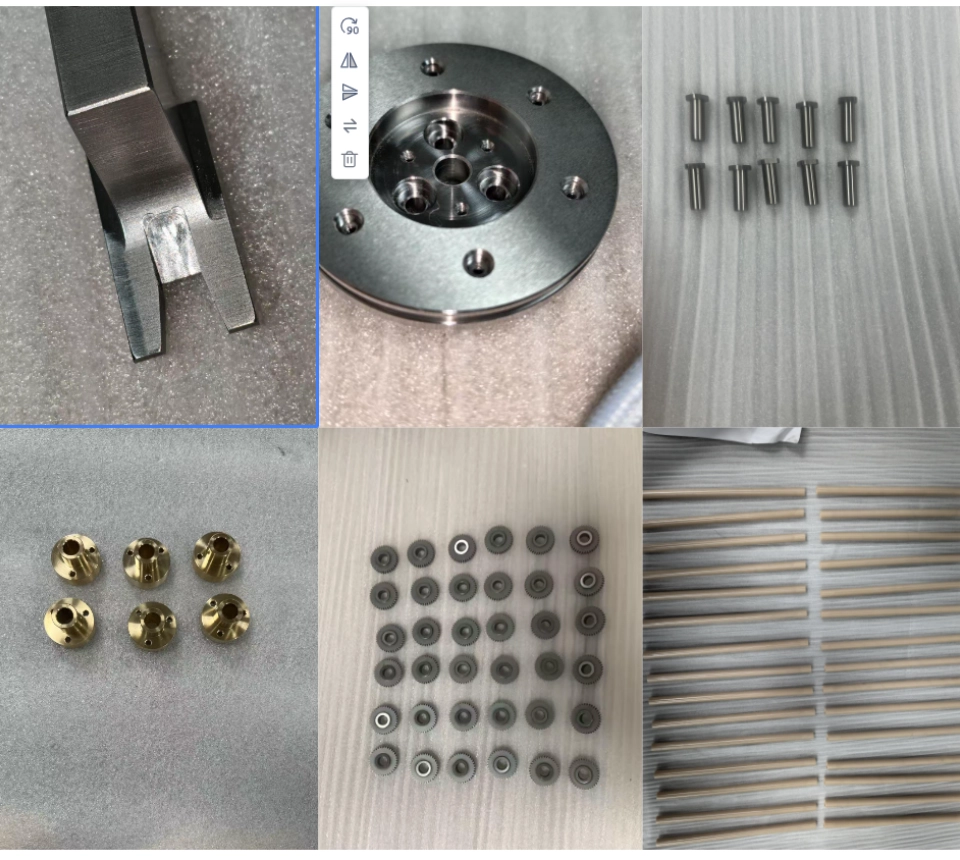
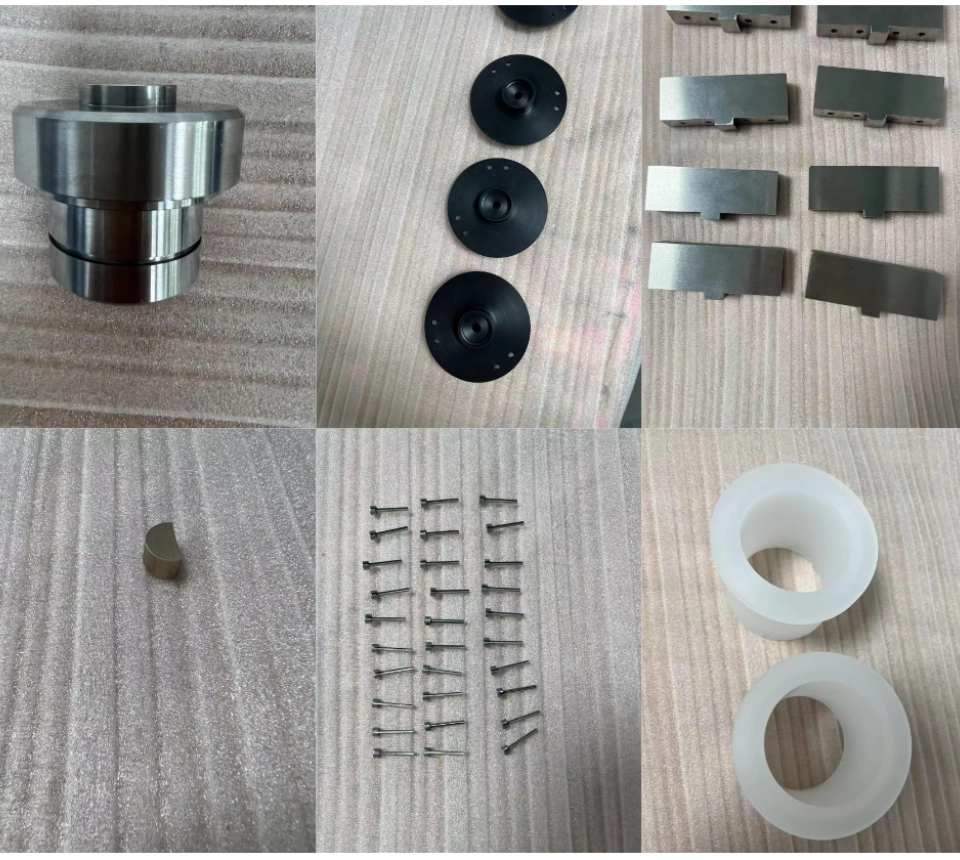
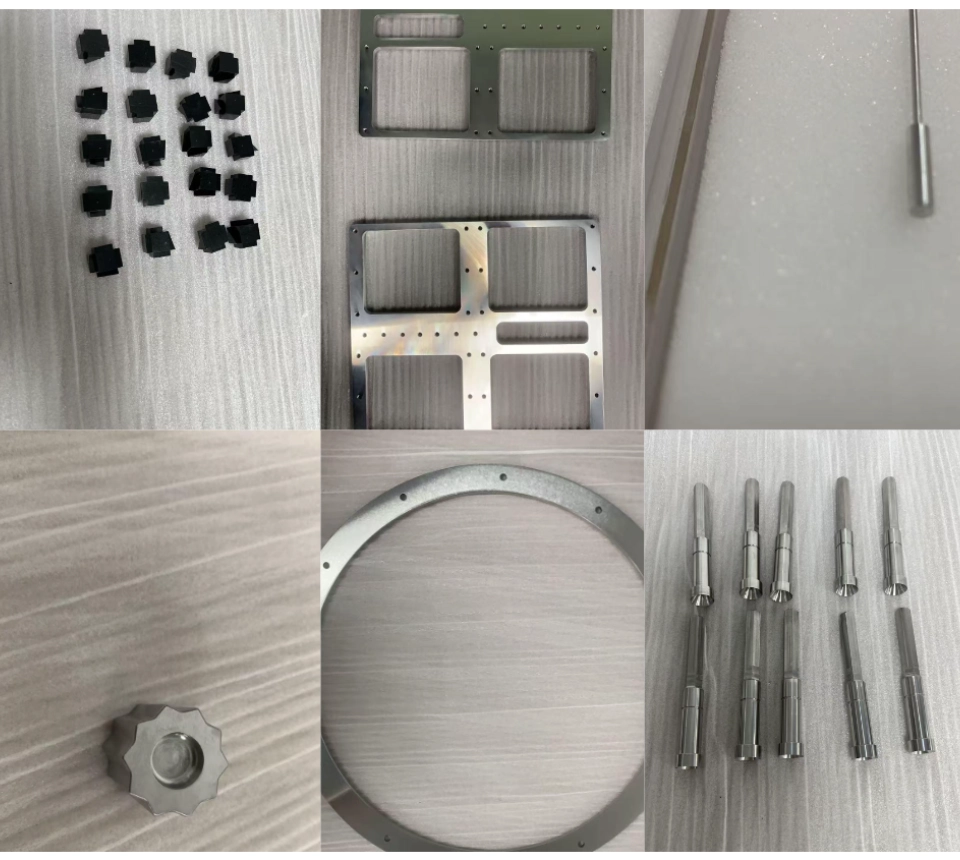
Representative Parts Gallery
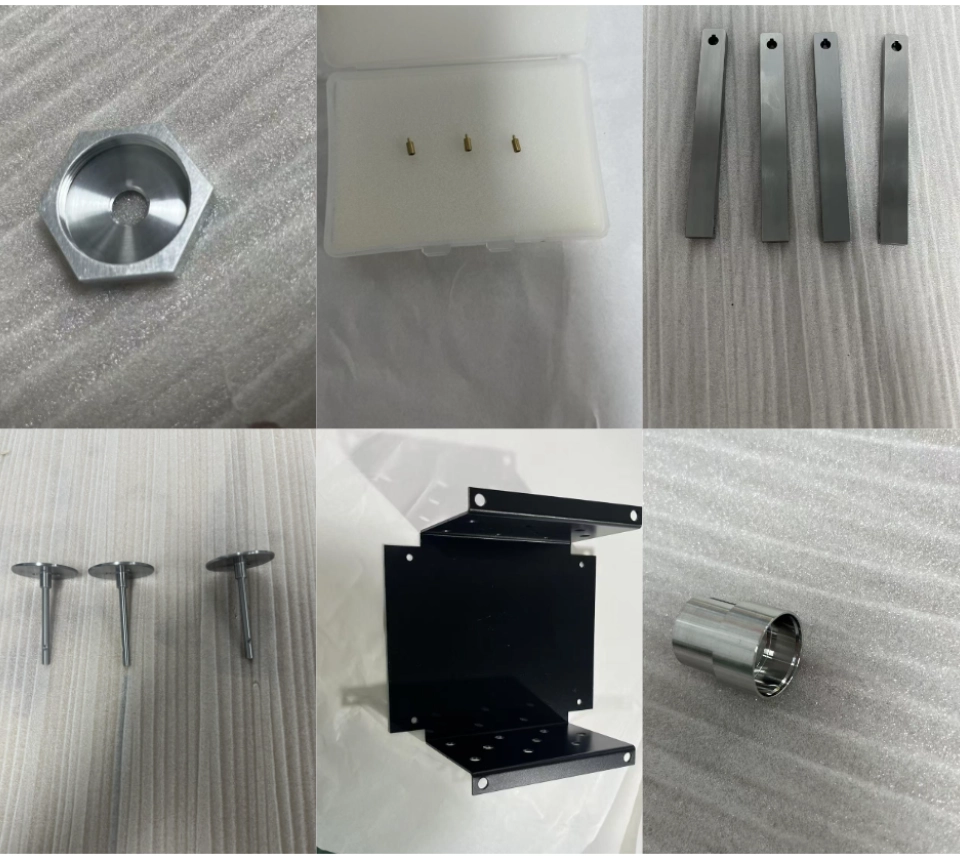
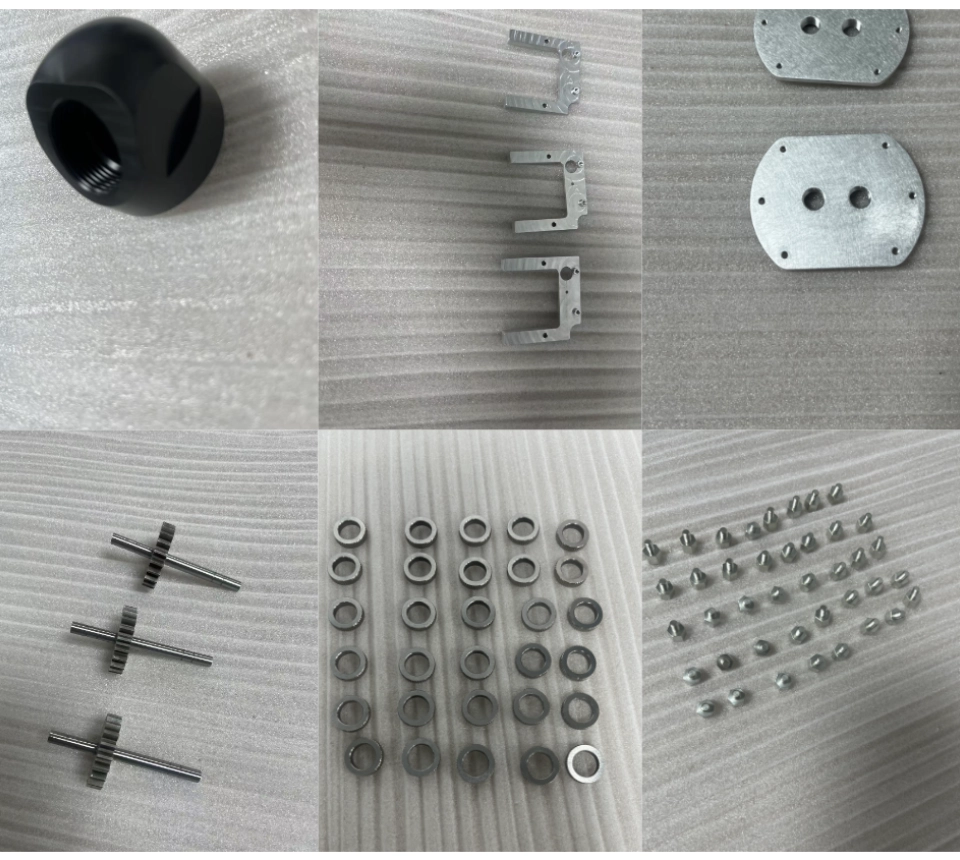
A selection of precision CNC machined medical components showcasing our capabilities in small complex parts, metal machining, and custom manufacturing for medical device applications.
Why Choose Karry Precision
Critical characteristics, finish zones, cleanliness expectations and documents are tied back to the released specification.
Prototype findings can be retained for repeat low-volume orders to reduce avoidable variation and rework.
Dedicated metrology equipment supports incoming, in-process and final verification according to drawing needs.
Machining, grinding, EDM, marking and approved finishing steps can be coordinated through one project team.
Karry Precision is a contract manufacturer, not the legal device manufacturer. Device classification, regulatory submission, biocompatibility and sterilization validation remain the customer’s responsibility unless a written scope states otherwise.
Medical Device CNC Machining FAQ
Clear information at the beginning helps us select the right process, protect critical surfaces and quote the required documentation correctly.
We manufacture custom, drawing-based parts such as diagnostic-equipment housings, laboratory-instrument components, manifolds, valve bodies, mounts, brackets, shafts, sleeves, instrument hardware and validation fixtures. Patient-contact, implantable or otherwise regulated applications require a separate written review.
Do not assume a certified cleanroom. We can plan project-specific cleaning, controlled handling, surface protection and packaging requirements, but any cleanroom class or formal environmental requirement must be confirmed in writing before order placement.
Send a 3D model, a dimensioned 2D drawing, material grade and condition, tolerance notes, finish requirements, cleanliness and packaging instructions, inspection or certificate requirements, annual quantity and the intended production stage.
Yes. Prototype and low-volume programs can be reviewed with DFM feedback, inspection planning and retained process information for later repeat orders. Schedule depends on material, complexity, finish and documentation requirements.
Tolerance capability depends on feature size, geometry, material, heat treatment, finish, datum structure and inspection method. Mark critical-to-function dimensions on the drawing so the achievable process and measurement approach can be confirmed before quotation.
Material certificates, inspection reports, marking and lot-related documentation can be quoted when the exact format, scope and retention requirement are defined in the RFQ. Documentation is not assumed unless specified.
No implantable-use capability is claimed by this page. Implantable, patient-contact or highly regulated work requires formal review of material, traceability, process controls, supplier approvals and applicable quality-system requirements before any commitment.
Sterilization is not presented as an in-house service. If a part will be sterilized later, state the method and exposure conditions so material, finish and packaging compatibility can be reviewed; final validation remains with the device owner.
Send your drawings and identify the critical dimensions, material records, cleanliness, finish and packaging requirements. Our team will review the manufacturing route before quoting.