
 Contact Us
  Home / CNC Machining /
 Custom CNC Turning Services
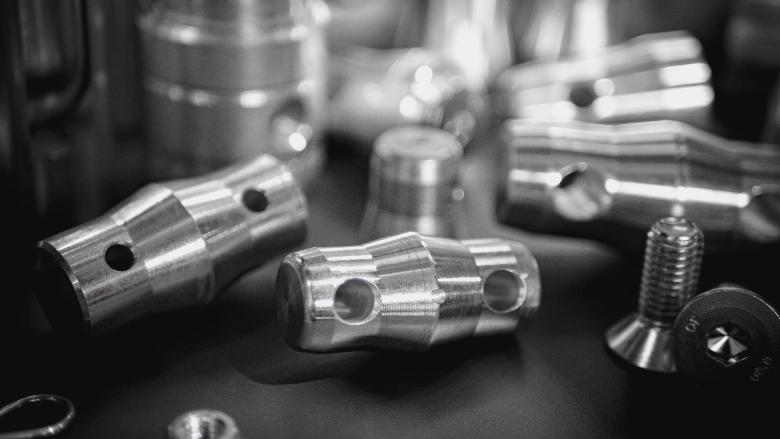
We fabricate custom shafts, bushings, connectors and rotary precision components, suitable for prototype verification and mass manufacturing.
-
 Stable precision control to satisfy matching requirements of key functional parts
 -
Machinable materials including aluminum, brass, stainless steel and premium engineering plastics
-
Fast sampling service to accelerate your product development progress
-
Rapid prototyping: samples ready in 3 days
 Get Free Quote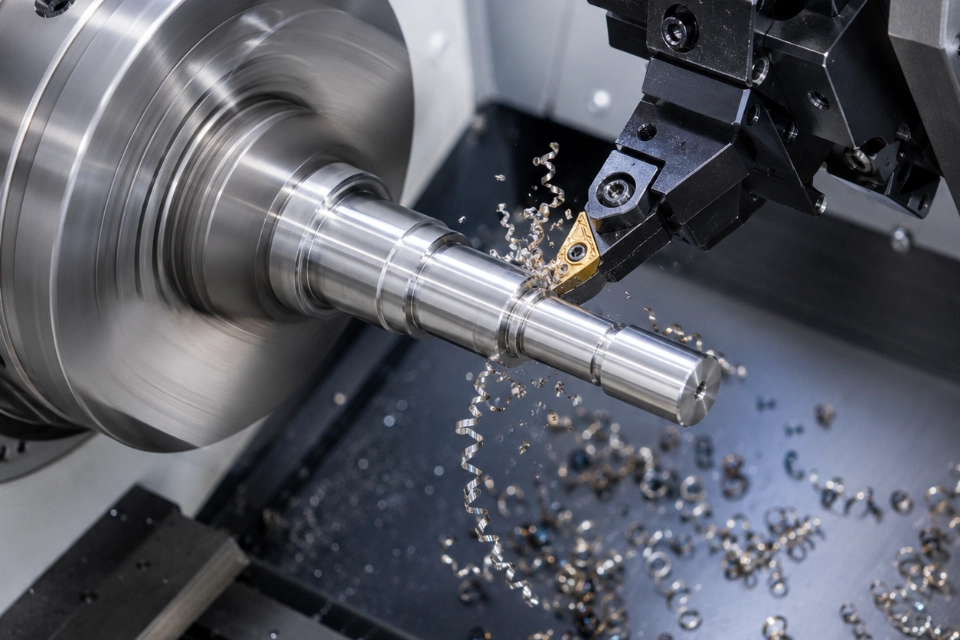
Our CNC Turning Processes
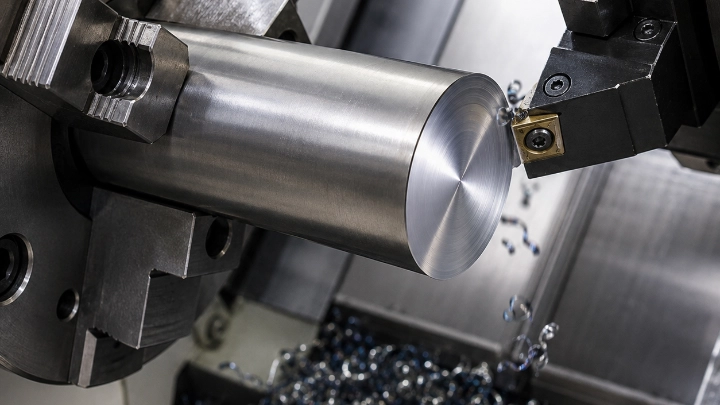
Machines workpiece end faces to form flat reference surfaces. Integrated into turn-mill operations to maintain stable precision.
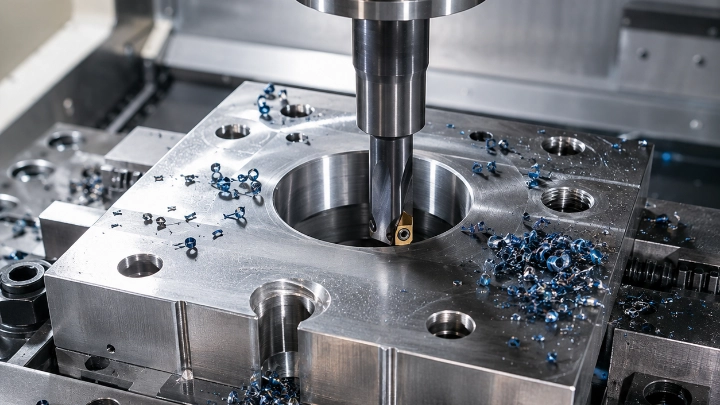
Fabricates or enlarges inner holes within one clamping setup, minimizing cumulative tolerance errors and extra secondary processing.
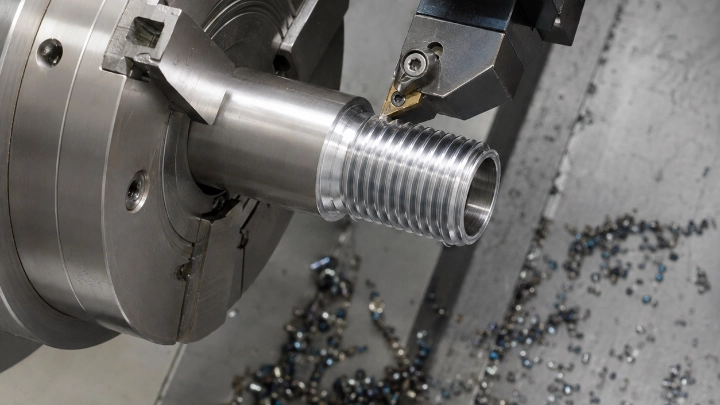
Machines internal and external metric, imperial and pipe threads for assembly fittings and connecting components.
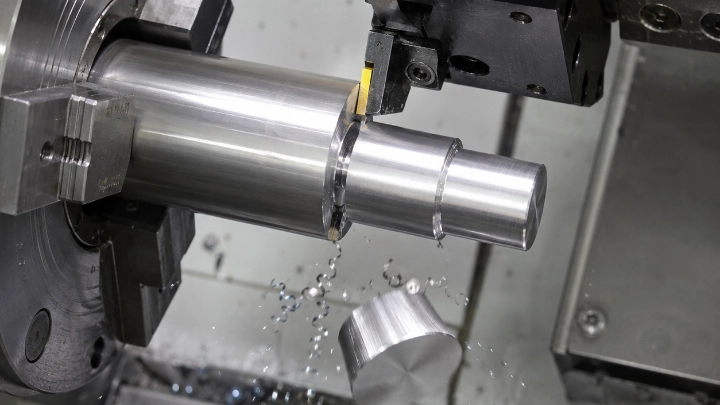
Separates finished parts from stock material with a clean edge.
Our Advantages
Single Setup, Multi-task Machining
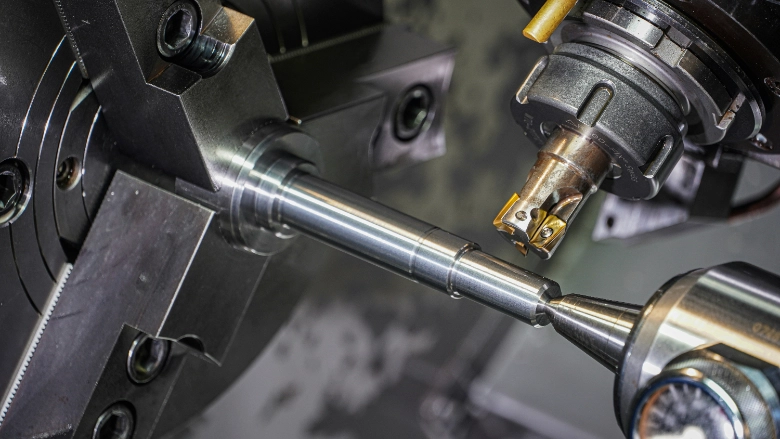
Our sophisticated turn-mill centers complete turning, milling, drilling and tapping within one clamping, effectively avoiding precision deviations caused by repeated re-fixturing. The combined turning and milling capability is perfectly suited for rotary parts featuring eccentric holes, keyways, flat surfaces and intricate end profiles.
Fewer clamping steps streamline production efficiency while optimizing concentricity and positional accuracy. Stable dimensional consistency offers reliable support for mass OEM assembly projects.
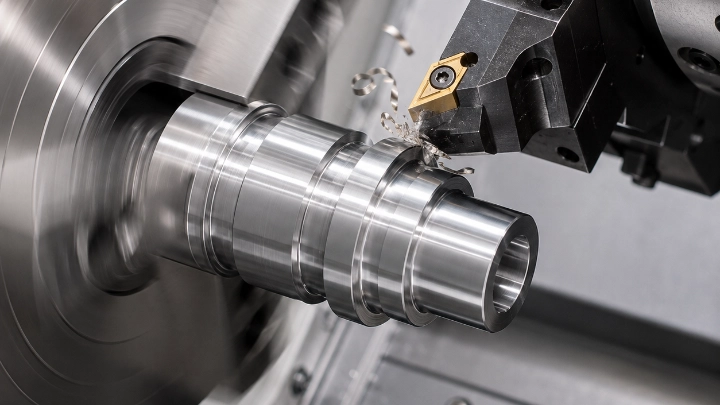
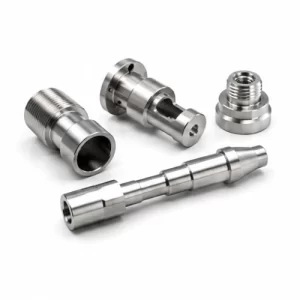
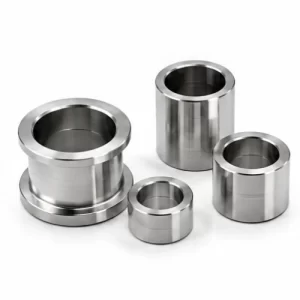
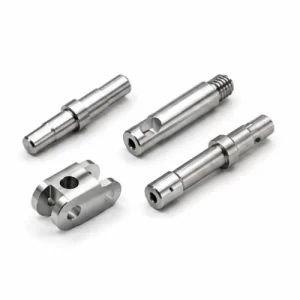
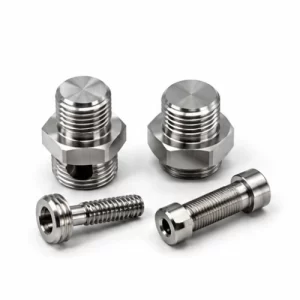
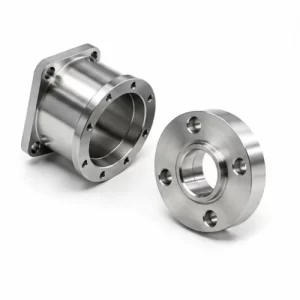
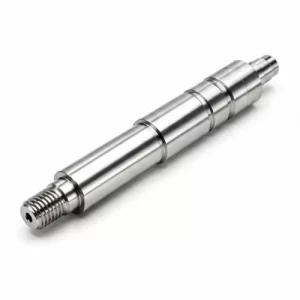
CNC Turning Parts Display
Have a similar part to manufacture?
Upload your drawing or CAD file to get fast engineering feedback and a quotation.
CNC Turning Materials
-
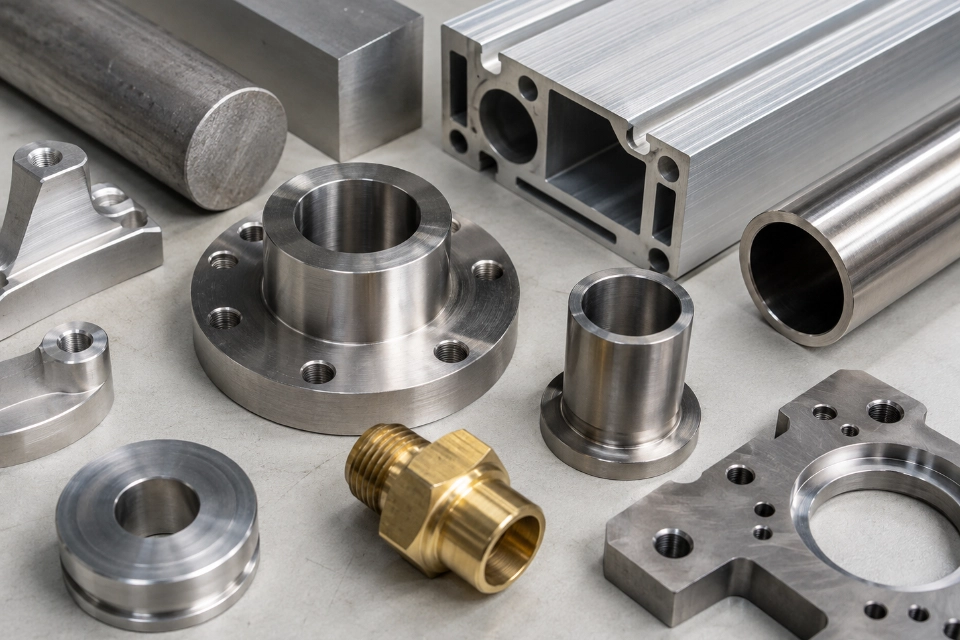 . Metal .
-
Aluminum (2A12, 5052, 6061, 7075)

Lightweight and easy to machine with good surface finishing performance. It delivers balanced mechanical properties and supports various surface treatments for rotary components.
Cost Efficiency:

-
Stainless Steel (303, 304, 316L)
Offers outstanding corrosion resistance and structural stability. 303 provides superior machinability, while 304 and 316L perform well under humid and corrosive working conditions.
Cost Efficiency:
-
Brass (H59, H62)
Features excellent cutting performance, ductility and thermal conductivity. It enables clean threading and smooth surface finishes for precision rotary fittings.
Cost Efficiency:
-
Copper (C1100)
Boasts exceptional electrical and thermal conductivity together with great plasticity, ideal for conductive and heat-dissipating rotational parts.
Cost Efficiency:
-
Titanium Alloy (TC4)
High specific strength paired with low weight and strong corrosion resistance. It retains stable performance in extreme temperature environments.
Cost Efficiency:
-
Alloy Steel (45#, 4140)
High rigidity and tensile strength. Heat treatment can further boost hardness and wear resistance for heavy-load rotating mechanical parts.
Cost Efficiency:
-
-
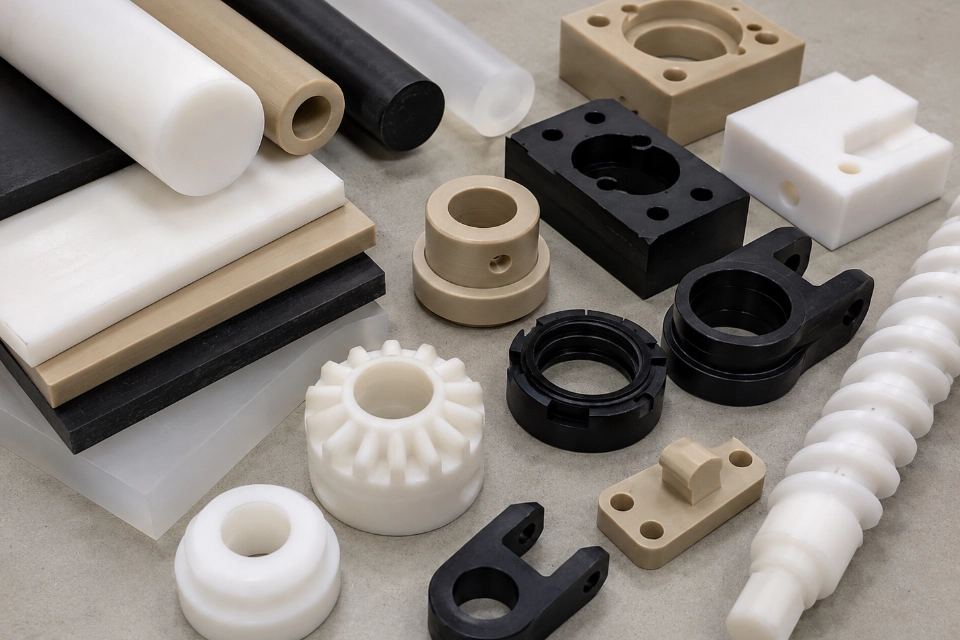 . Plastic .
-
PEEK
Features excellent heat resistance, mechanical strength and wear resistance, maintaining stable dimensional accuracy during continuous operation.
Cost Efficiency:
-
PEI
Delivers high rigidity, reliable thermal stability and low thermal expansion, with excellent insulation for precision rotating parts.
Cost Efficiency:
-
POM
Possesses self-lubricating characteristics, low friction and high dimensional stability, well suited for moving rotary assemblies.
Cost Efficiency:
-
PA66 Nylon
Provides good toughness, impact resistance and abrasion resistance for lightweight rotational structural components.
Cost Efficiency:
-
PTFE
Has ultra-low friction and strong chemical inertness, suitable for rotary sealing and anti-wear functional parts.
Cost Efficiency:
-

Explore our full material list or contact our engineering team for recommendations.

Surface Finishing Options
We offer a variety of surface finishing options to enhance the appearance, durability, and performance of your CNC turning parts.
-
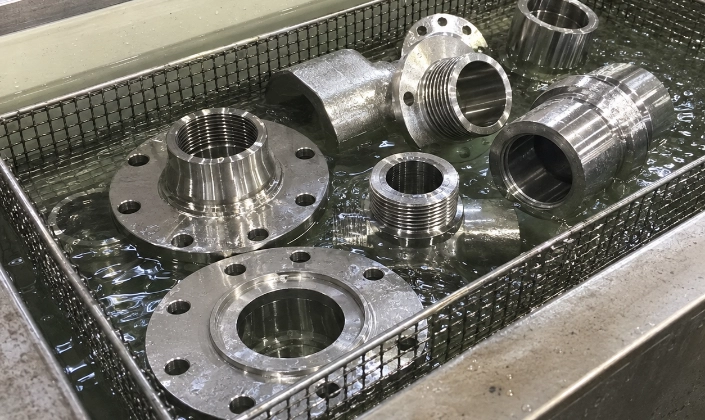
Passivation
Eliminates surface impurities on stainless steel and generates a passive film, effectively boosting rust resistance without altering component dimensions.
-
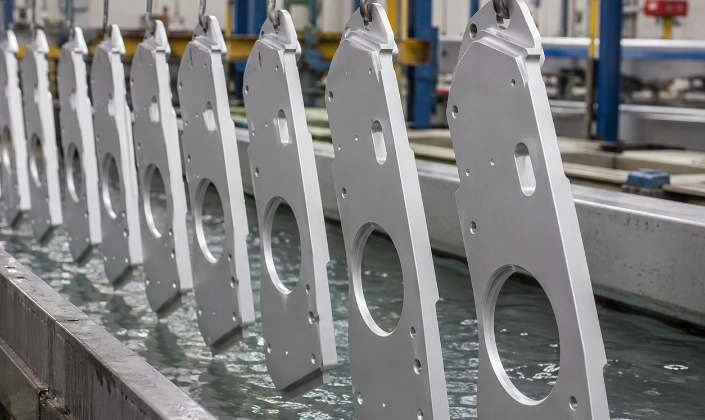
Anodizing
Forms a tough protective oxide coating on aluminum components, improving wear and corrosion resistance. Multiple color choices are available for aesthetic requirements.
-
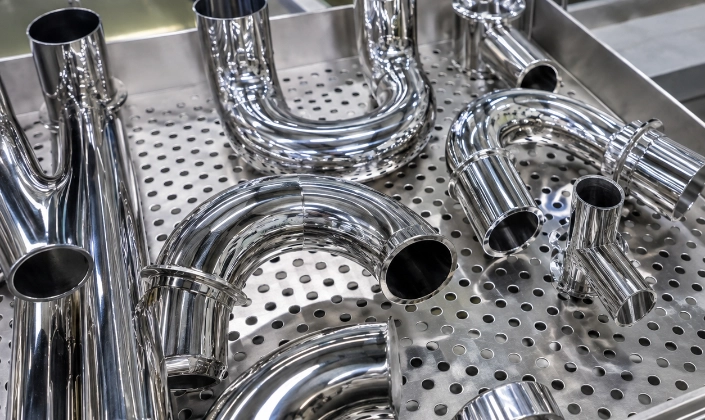
Electropolishing
Creates a bright, smooth metallic surface through electrochemical treatment. It minimizes micro-burrs and strengthens corrosion resistance.
-
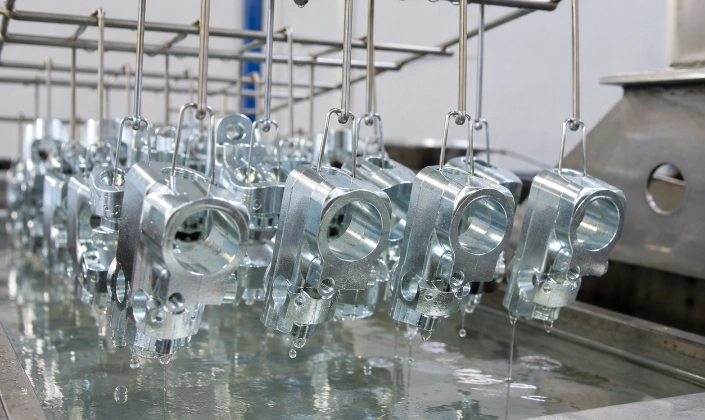
Zinc Plating
Provides reliable anti-corrosion protection for steel parts with competitive cost, widely applied to mechanical rotary fittings.
-
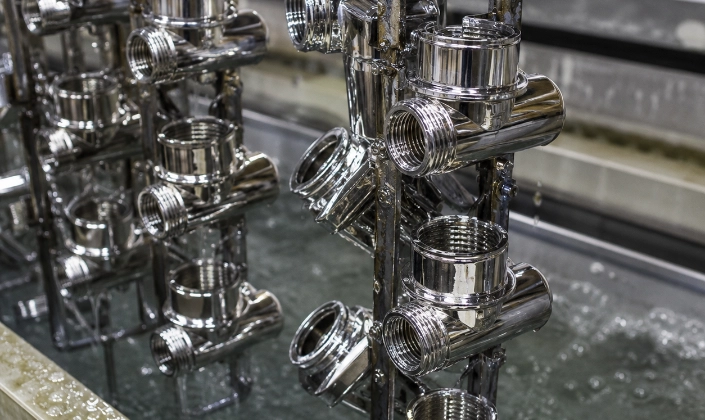
Nickel Plating
Delivers increased surface hardness, wear protection and corrosion resistance, achieving uniform smooth finishes on rotary precision parts.
-
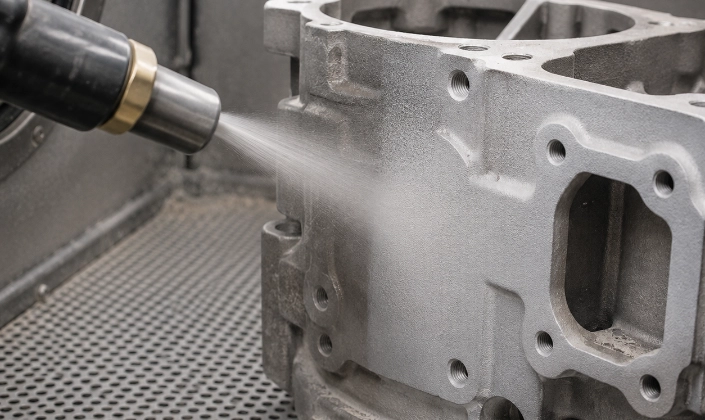
Sandblasting
Produces a consistent matte texture, removes turning tool marks and improves adhesion for subsequent coatings.
*Not sure which finish is right for your part? Explore our complete guide
CNC Turning Tolerance Guide
Tolerance control is essential in CNC turning because it directly affects part fit, assembly performance, dimensional consistency, and service life. At Karry Precision, turning tolerances are defined according to the component’s function, material characteristics, geometry, surface finish requirements, and inspection method.
Proper tolerance design in CNC turning helps minimize machining costs and enhance production efficiency. To achieve this, consider the following best practices:
- Applying tight tolerances only to function-critical dimensions
- Using standard tolerances for non-critical features
- Avoiding unnecessarily complex internal profiles and deep grooves
- Maintaining consistent wall thickness whenever possible
- Providing suitable corner radii and tool access
| Tolerance Category | Typical Tolerance | Common Materials | Cost Impact | Machining Considerations |
| General Linear Dimensions | ±0.10 mm | Aluminum, Brass, Mild Steel, Engineering Plastics | Low | Suitable for standard turning operations and non-critical features |
| Precision Linear Dimensions | ±0.05 mm | Aluminum 6061/7075, Stainless Steel 304/316, Brass | Medium | Requires controlled tooling, stable workholding, and in-process inspection |
| High-Precision Dimensions | ±0.02–0.03 mm | Stainless Steel, Tool Steel, Titanium | High | May require multiple finishing passes, temperature control, and CMM inspection |
| General Plastic Dimensions | ±0.10 mm | POM, PEEK, PC, PTFE | Medium | Material movement, heat expansion, and clamping deformation must be considered |
| Precision Diameters | ±0.01–0.02 mm | Aluminum, Stainless Steel, Brass, Titanium | High | Requires precision boring or turning tools and detailed dimensional inspection |
| Threaded Features | According to Drawing or Thread Standard | Metals and Engineering Plastics | Medium | Controlled by thread gauges, pitch inspection, and applicable ISO or Unified standards |
| Concentricity and Runout | 0.02–0.05 mm | Aluminum, Steel, Stainless Steel, Brass | Medium to High | Depends on part length, setup method, datum control, and workholding stability |
The tolerances shown above are general machining references. Final achievable tolerances depend on part size, geometry, material, surface treatment, batch quantity, and inspection requirements.
Not sure about the right tolerance for your part?
Get Free Quote Our CNC Turning Process
-
 STEP 1
 Design Review
 -
 STEP 2
Material Preparation
STEP 2
Material Preparation -
 STEP 3
Machine Setup
STEP 3
Machine Setup -
 STEP 4
CNC Turning
STEP 4
CNC Turning -
 STEP 5
Quality Inspection
STEP 5
Quality Inspection -
 STEP 6
Surface Finishing
STEP 6
Surface Finishing
Guides to Optimize Your CNC Parts Design
Common CNC Turning Questions

Ready to Start Your Custom Parts Project?
Upload your drawings (STEP, STP, IGES, STL) or contact our team for a fast and confidential quotation.
Get Free Quote 

Reliable CNC Turning Solutions Built Around Your Requirements
Karry Precision provides customized CNC turning solutions focused on accuracy, efficiency, and consistent quality. With over 10 years of machining experience, advanced in-house equipment, and professional engineering support, we manufacture precision turned parts for prototypes, small batches, and volume production.
-
Tight tolerance control for complex turned components
-
Machining of a wide range of metals and engineering plastics
-
Fast turnaround supported by advanced CNC equipment
-
Cost-efficient production with optimized material usage
-
Customized machining solutions based on your drawings
-
Comprehensive inspection for consistent part quality