
 Contact Us
  Home /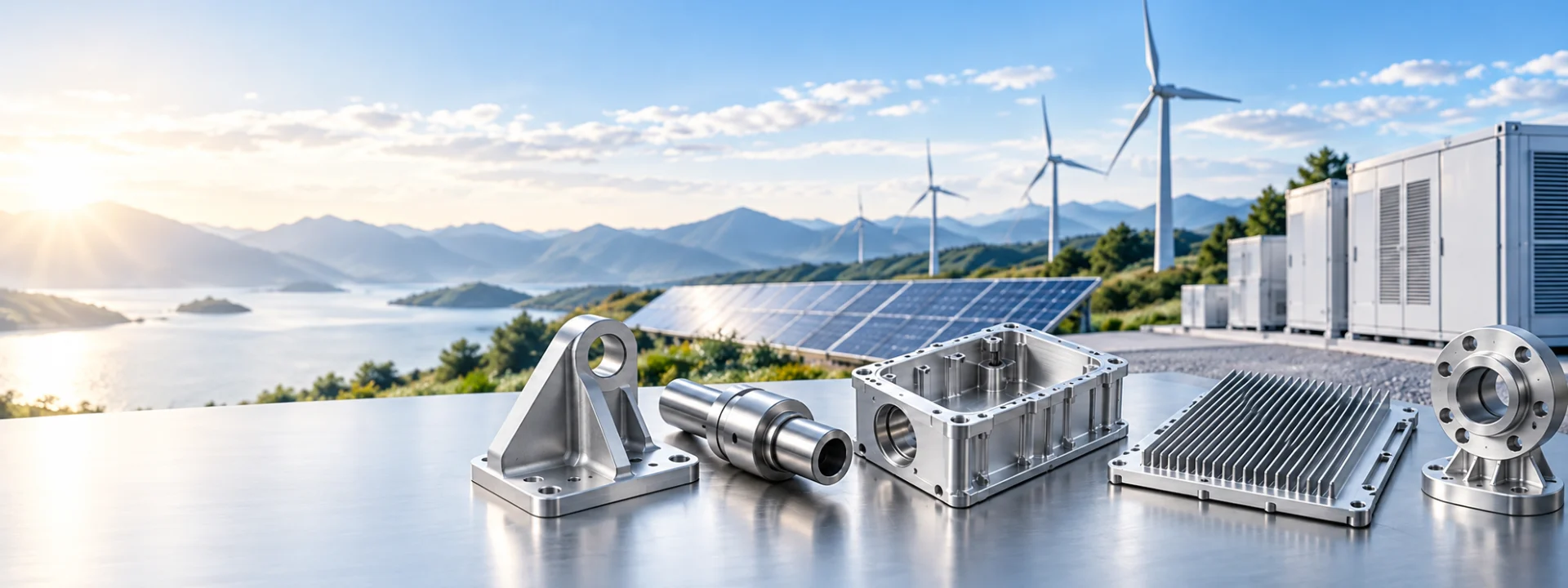
Precision Machined Components for Renewable Energy Equipment
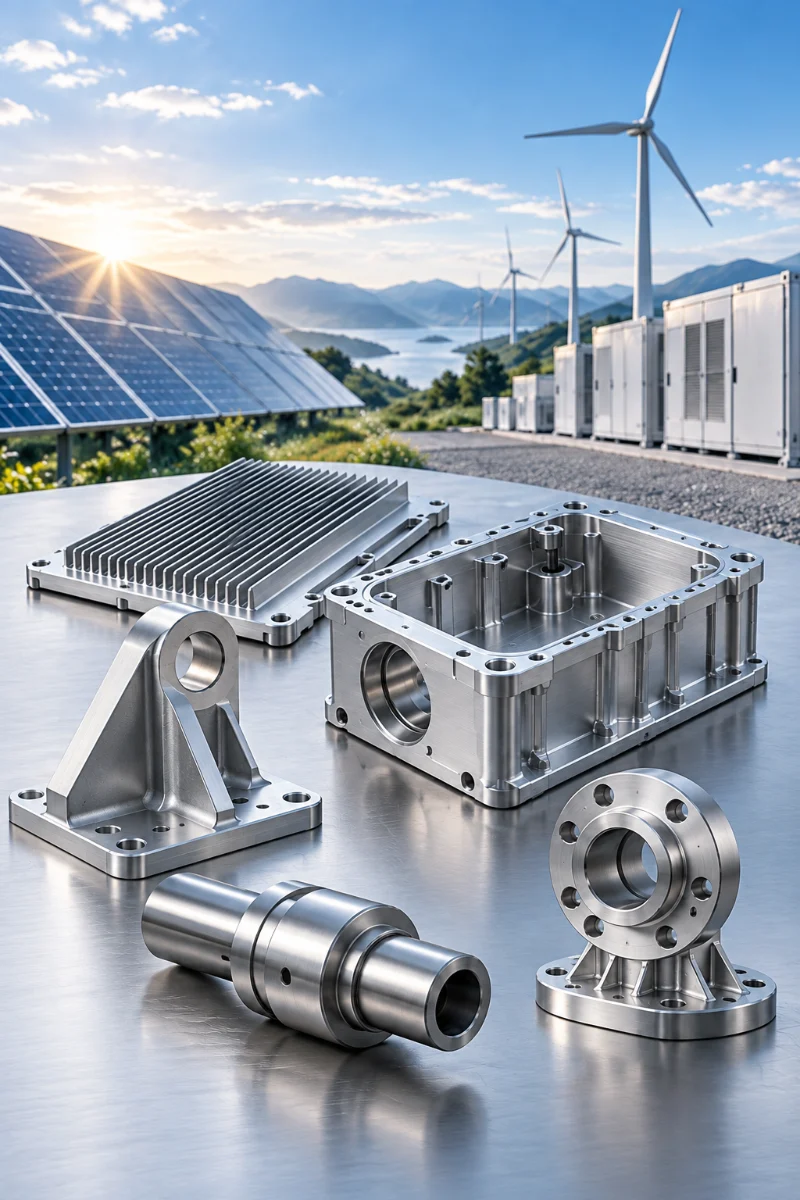
Custom CNC machining for renewable-energy hardware, including housings, brackets, shafts, thermal-management parts and structural interfaces. Karry Precision supports prototypes, low-volume builds and repeat production from customer drawings.
 Get Free Quote
Renewable Energy
RENEWABLE-ENERGY COMPONENT MANUFACTURING
Precision Machining Support for Renewable-Energy Equipment
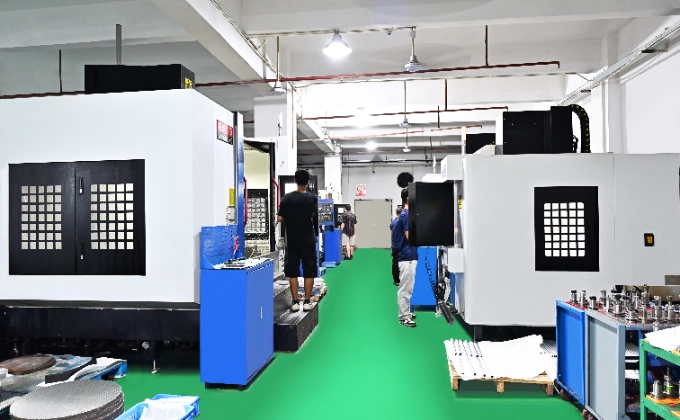
Karry Precision manufactures drawing-based mechanical parts for renewable-energy equipment and supporting hardware. We support prototypes, bridge quantities and repeat production for components used in wind-power subassemblies, solar-tracking mechanisms, power-conversion equipment and outdoor electronic systems.
- CNC milling, CNC turning and simultaneous 5-axis machining
- Support for aluminum, stainless steel, carbon steel, copper and engineering plastics
- Focus on fit-critical interfaces, sealing faces, thermal-contact areas and outdoor durability
- Inspection planning around critical dimensions, mating features and repeatability
APPLICATION AREAS
Where Precision Parts Support Renewable-Energy Equipment
The same machining supplier can support several renewable-energy systems, but each project places different demands on fit, corrosion resistance, thermal behavior and service access.
WIND POWER
Motion, Sensor & Service Hardware
Representative parts include actuator brackets, bearing or shaft interfaces, encoder mounts, service flanges and housings used in positioning or support subassemblies.
SOLAR & TRACKING
Outdoor Mounting & Drive Interfaces
Solar projects often need tracker brackets, pivot bodies, drive adapters, alignment parts and weather-exposed interfaces that must stay serviceable after coating and outdoor use.
POWER CONVERSION & STORAGE
Thermal, Enclosure & Electrical Supports
Inverter, controller and battery-support projects commonly involve enclosures, thermal-contact parts, bus-support details and insulating or locating components.
PROJECT IMAGE GALLERY
Representative Component Types for Renewable-Energy Projects
These six images remain the same, but the gallery has been rebuilt so each card uses a consistent image area and a balanced visual size.
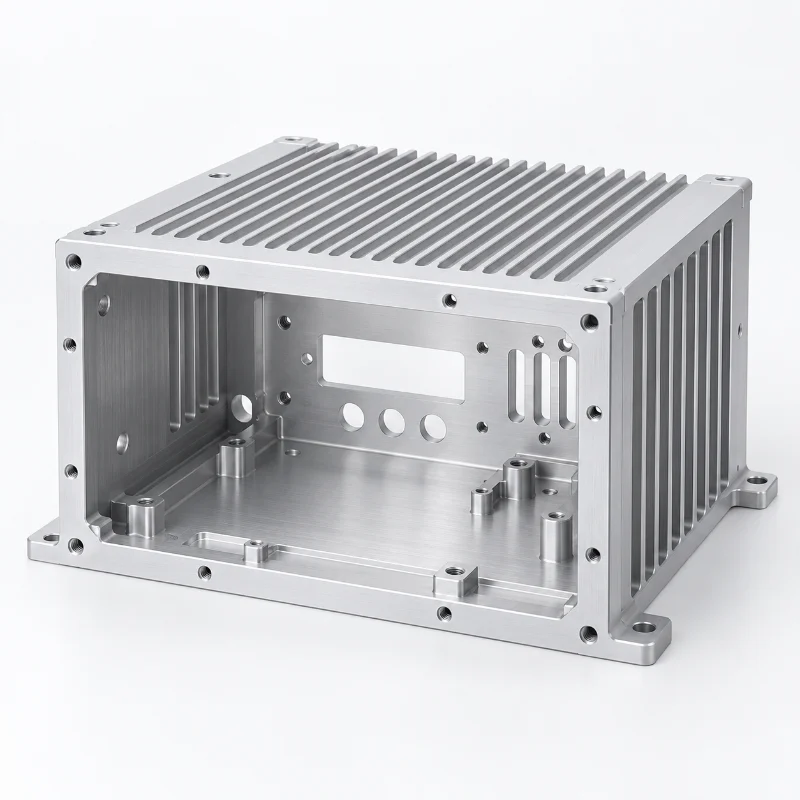
Equipment Cases & Housings
Machined case-style components for support equipment, controls and protected assemblies.
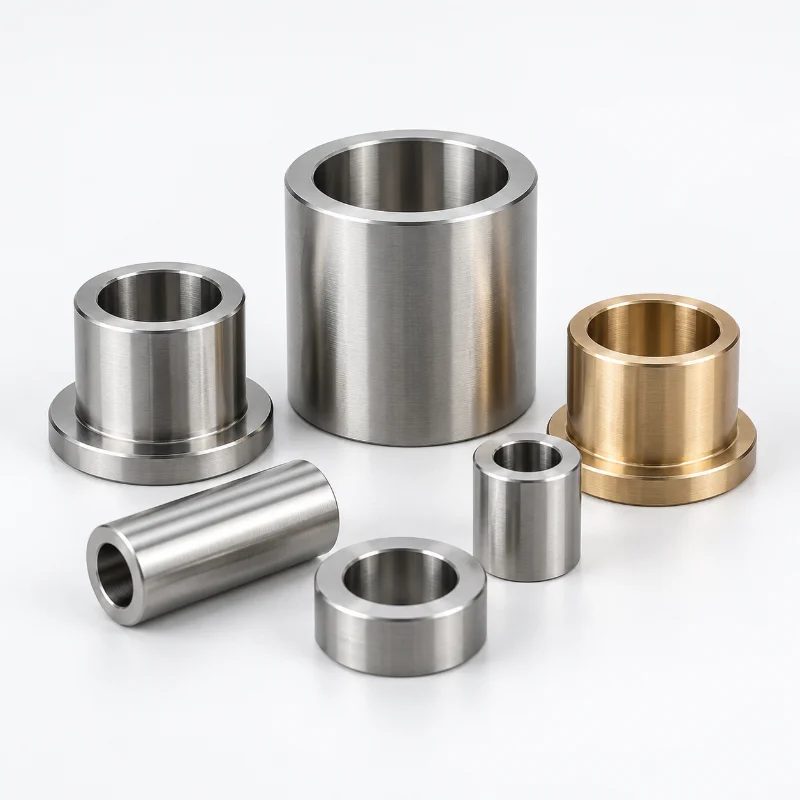
Sleeves, Bushings & Spacers
Precision cylindrical parts used to control fit, spacing and rotational alignment.
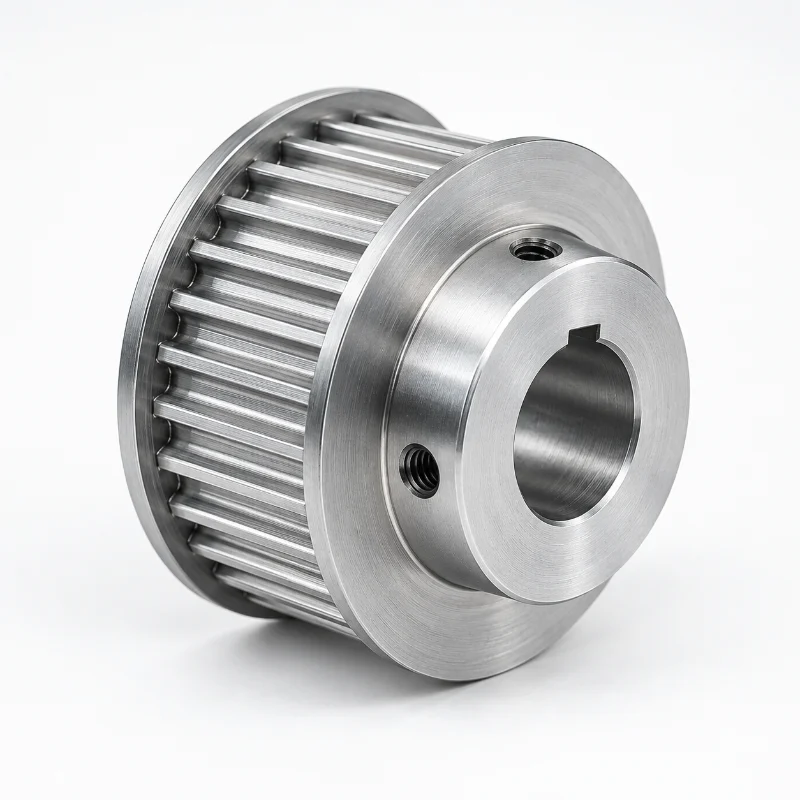
Drive Pulleys & Transmission Parts
Rotational parts that can support belt-driven motion, positioning or controlled mechanical transfer.
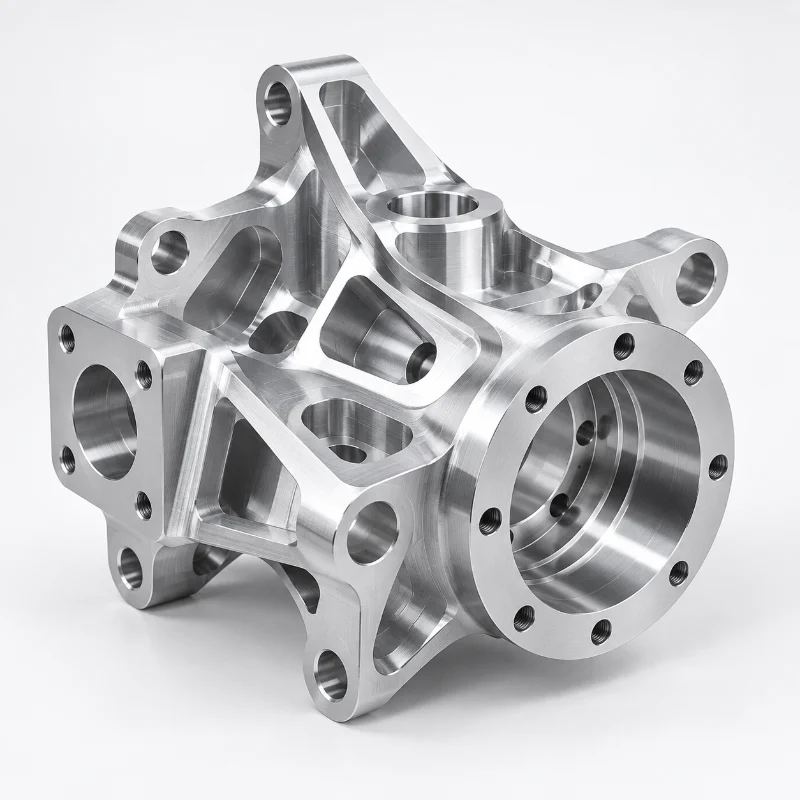
Complex 5-Axis Components
Suitable for parts with multiple surfaces, angled features or geometry that benefits from fewer setups.
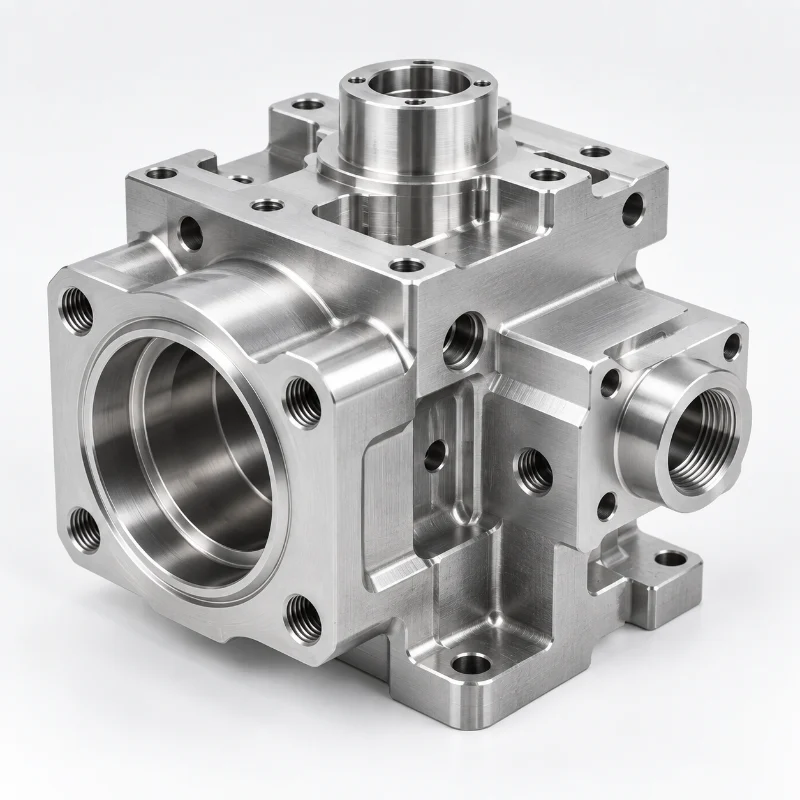
Multi-Surface Precision Parts
Useful when one component combines contour machining, several interface faces and precision features.
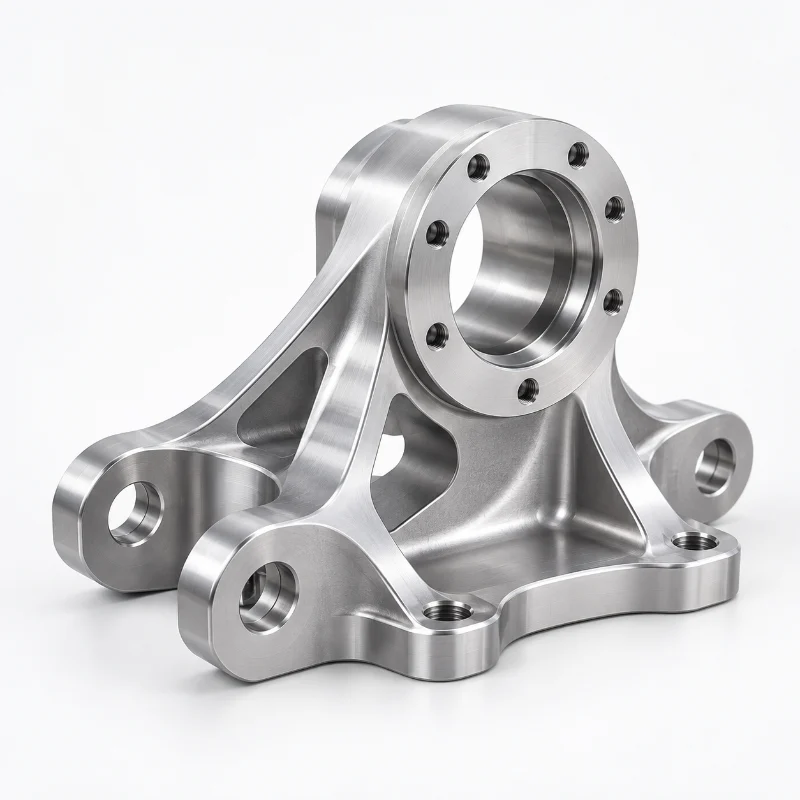
Contoured Functional Components
Appropriate for high-value machined parts that need controlled contours and clean functional surfaces.
Materials Chosen Around Environment and Function
For renewable-energy components, material selection is usually driven by outdoor exposure, corrosion risk, stiffness-to-weight ratio, conductivity, insulation and service requirements.
Aluminum Alloys
Useful where lower weight, good machinability and corrosion resistance are required. Common machining choices include 6061, 6082 and 7075 depending on the design need.
Stainless & Alloy Steels
Selected for strength, wear performance and durability in shafts, brackets and interfaces. Corrosion needs and finishing requirements should be defined in the RFQ.
Copper & Brass
Considered for selected thermal or electrical tasks, conductive inserts and parts where conductivity or heat-transfer behavior influences performance.
Engineering Plastics
POM, Nylon and PEEK can support insulation, low-friction movement or selected chemical-resistance requirements where metallic materials are not ideal.
Design Details That Matter Before Machining Starts
OUTDOOR EXPOSURE
Corrosion Protection Without Losing Fit
Outdoor parts often need anodizing, passivation, coating or other protection, but coating thickness and surface preparation can change the way components fit together.
- Allow for coating thickness on mating dimensions
- Define corrosion-sensitive areas in the drawing notes
- Keep service and assembly access practical after finishing
THERMAL & ELECTRICAL FUNCTION
Protect the Functional Interface
Thermal-contact faces, sealing lands, mounting datums and insulated support areas should be called out clearly when performance depends on them.
- Identify critical flatness or contact areas
- Call out insulation or conductivity needs when relevant
- Define surfaces that must remain free of heavy coating or damage
INSPECTION STRATEGY
Inspection That Supports Function and Repeat Production
A renewable-energy part may be simple in overall shape while still having a few critical relationships that control motion, sealing, thermal transfer or enclosure assembly. Inspection planning should reflect those priorities rather than treating every dimension the same way.
- Review critical datums, hole positions and interface dimensions
- Identify fit-sensitive bores, shafts, sealing faces and contact surfaces
- Plan inspection checkpoints for first articles and repeat production
- Keep measurement records around function-critical features
Quality Framework
ISO 9001-certified processes and documented inspection routines support project consistency.
10+ inspection checkpoints can be arranged around incoming material review, in-process checks and final verification.
100% pre-shipment inspection is completed before shipment.
From Drawing Review to Repeat Production
A clear process helps control fit, finish, inspection and production repeatability from the first build onward.
01 · REVIEW
Drawing & Requirement Review
Review geometry, tolerances, critical interfaces, finish, materials and expected production volume.
02 · PLAN
Process Planning & Setup
Choose machining routes, fixtures, tools, inspection checkpoints and finishing flow based on the part function.
03 · BUILD
Machining, Finishing & Inspection
Manufacture the part, coordinate required secondary processes and inspect the agreed critical features.
04 · REPEAT
Repeat Orders & Change Control
Keep repeat production stable and manage approved drawing revisions or process updates in a controlled way.
Have a Renewable-Energy Component Ready for Review?
Send your 2D drawings, 3D models, target quantity, material idea and any environment or inspection requirements. Our team can review the project and prepare a quotation path.
Renewable Energy CNC Machining FAQ
Clear project information helps us recommend the right machining route, material and inspection plan.
What renewable-energy components can Karry Precision manufacture?
We manufacture custom mechanical parts from drawings, including housings, brackets, shafts, flanges, cooling blocks, enclosures and other fit-critical support components.
Do you manufacture complete wind, solar or battery systems?
No. We focus on precision-machined parts and supporting mechanical hardware rather than complete renewable-energy systems.
Which materials are commonly considered for outdoor energy equipment?
Aluminum, stainless steel, carbon or alloy steel and selected engineering plastics are common choices, depending on corrosion risk, weight, fit and service conditions.
Can you support corrosion-resistant or protective finishes?
Yes. Surface-finishing options can be coordinated based on the material and project needs. Finish requirements should be specified clearly in the RFQ.
Can you support prototype and repeat production?
Yes. We support prototype, bridge-quantity and repeat production work according to the component complexity and demand plan.
What information should I send for a quotation?
Please send 2D drawings, 3D files if available, material preference, expected quantity, finish requirements and any key tolerances or inspection notes.