
 Contact Us
  Home /
 Precision Plastic Injection Molding
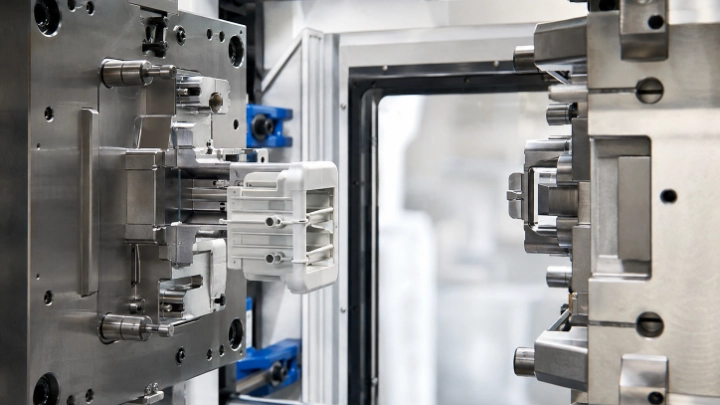
Karry Precision provides custom plastic injection molding services for prototypes, low-volume production, and repeat manufacturing. We produce durable, dimensionally consistent plastic parts for automotive, medical, industrial, electronic, and consumer-product applications.
-
 Custom plastic parts manufactured to drawings and specifications
 -
Insert molding, overmolding, and multi-cavity molding capabilities
-
Support for standard and engineering-grade thermoplastics
-
Tooling development, molding, inspection, and assembly support
 Get Free Quote
CNC parts manufactured as fast as 1 day
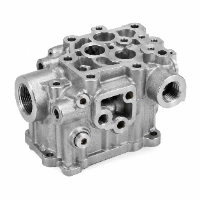
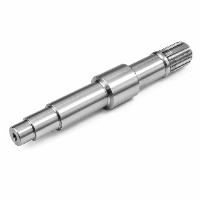
Typical Plastic Injection Molding Parts
-
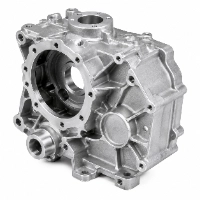 Precision Housings
 -
 Shafts
 -
 Bushings
 -
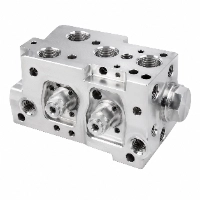 Flanges
 -
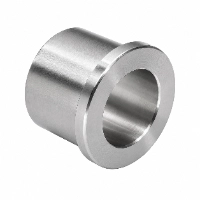 Brackets
 -
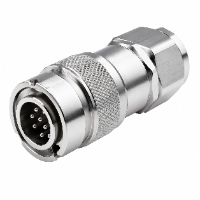 Valve Bodies
 -
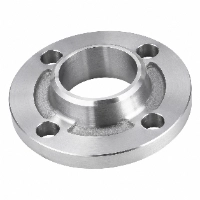 Manifolds
 -
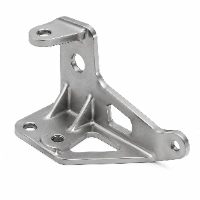
 Connectors
 -
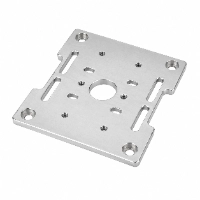
 Mounting Plates
 -
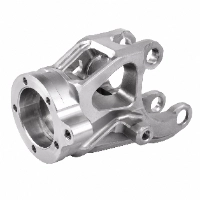 Custom Mechanical Components
Have a similar part to manufacture?
Get Free Quote Our Plastic Injection Molding Processes
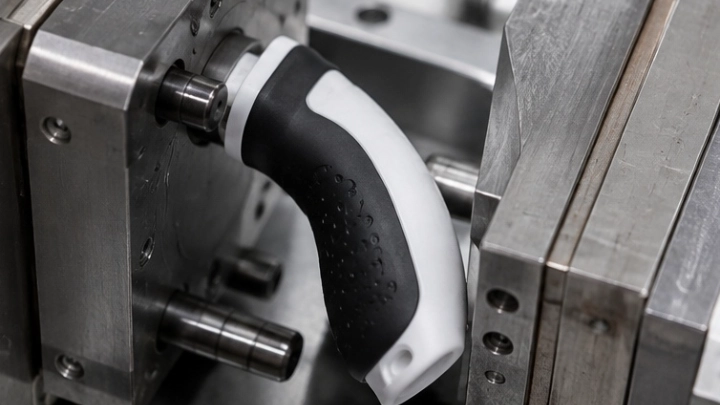
Custom Plastic Parts
Custom injection-molded components produced according to customer drawings, material requirements, tolerances, and application needs.
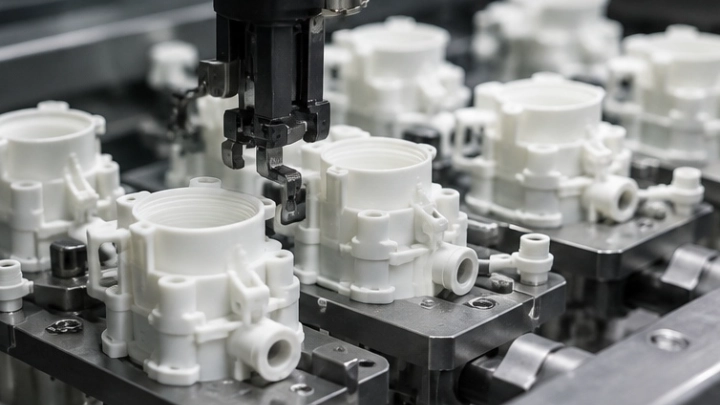
Insert Molding
Metal inserts, threaded components, or electrical contacts are placed into the mold and permanently bonded with plastic during molding.
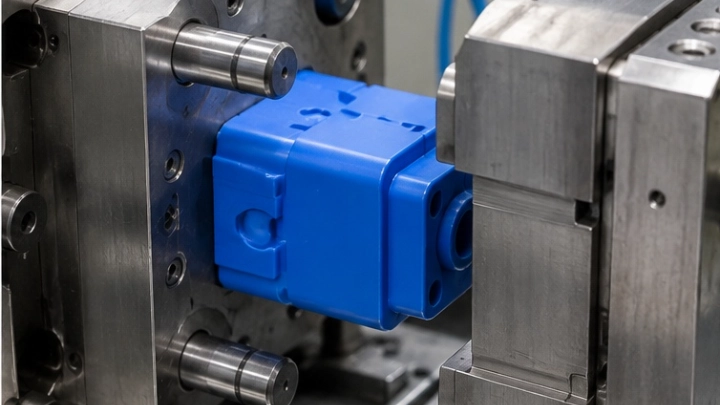
Overmolding
A secondary material is molded over an existing plastic or metal component to improve grip, sealing, impact resistance, or appearance.
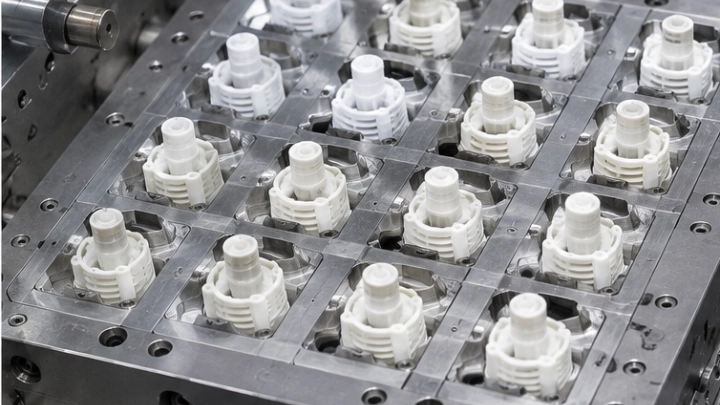
Multi-Cavity Molding
Multiple identical parts are produced in one molding cycle, improving production efficiency and reducing unit costs for volume orders.
Plastic Injection Molding Materials
-
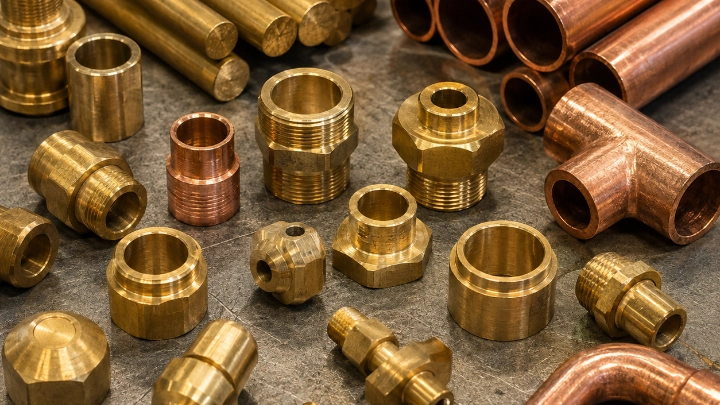 . Metal .
-
Aluminum Alloys

Lightweight, corrosion-resistant, and highly machinable. Aluminum is ideal for components requiring reliable strength with reduced weight.
Cost Efficiency:

-
Stainless Steel
Offers excellent strength, corrosion resistance, and durability for parts used in demanding or hygienic environments.
Cost Efficiency:
-
Carbon and Alloy Steel
Provides high strength, hardness, and wear resistance. Steel is suitable for structural parts and components exposed to heavy loads.
Cost Efficiency:
-
Brass
Easy to machine and capable of producing detailed features with smooth surfaces. Brass also provides good corrosion resistance and conductivity.
Cost Efficiency:
-
Titanium
Combines high strength, low weight, heat resistance, and excellent corrosion resistance for demanding applications.
Cost Efficiency:
-
-
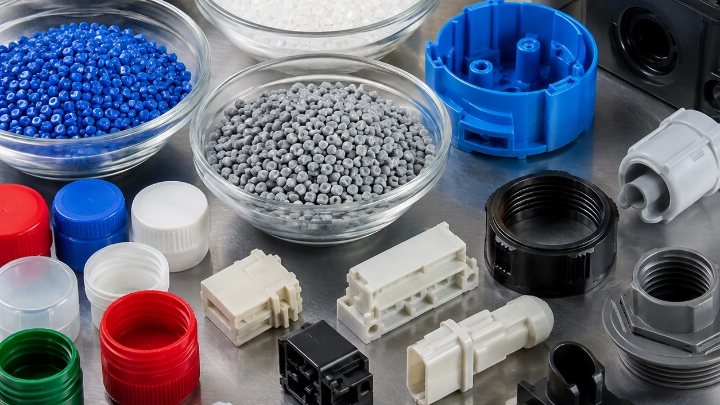 . Plastic .
-
PEEK
A high-performance engineering plastic with excellent heat, chemical, and wear resistance.
Cost Efficiency:
-
POM
Provides high rigidity, low friction, and excellent dimensional stability. It is suitable for precision parts requiring smooth movement.
Cost Efficiency:
-
Nylon
Strong, lightweight, and wear-resistant, with good fatigue and low-friction properties.
Cost Efficiency:
-
Polycarbonate
Offers high impact strength, dimensional stability, and transparent material options.
Cost Efficiency:
-
PTFE
Provides extremely low friction, excellent chemical resistance, and strong electrical-insulation performance.
Cost Efficiency:
-

Explore our full material list or contact our engineering team for recommendations.

Surface Finishing Options
We offer a variety of surface finishing options to enhance the appearance, durability, and performance of your CNC machined parts.
-
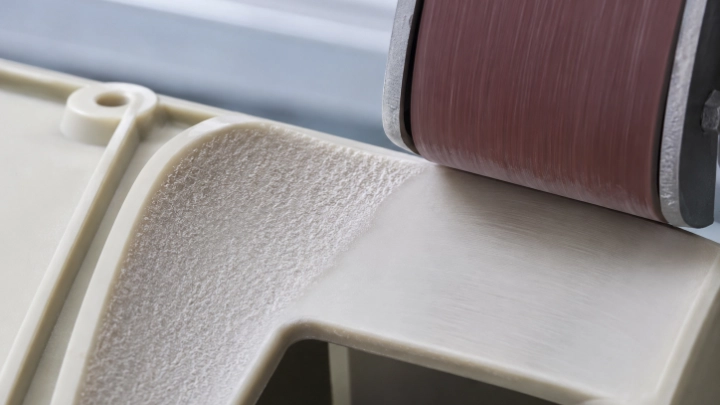
Sanding
Removes layer lines, support marks, and minor surface imperfections to create a smoother and more uniform finish.
-
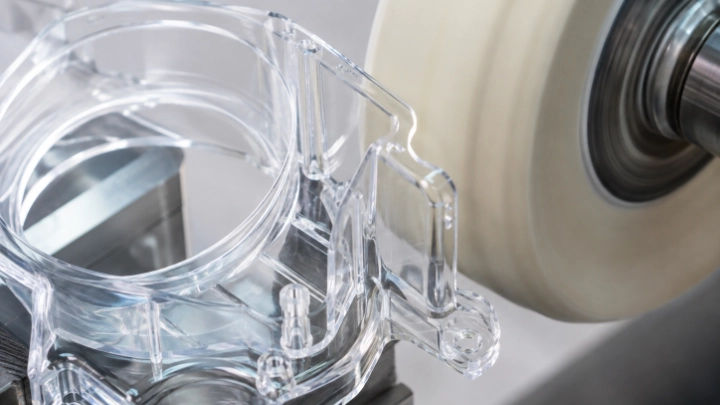
Polishing
Refines the printed surface to improve smoothness, gloss, and visual quality, particularly for display models and cosmetic parts.
-
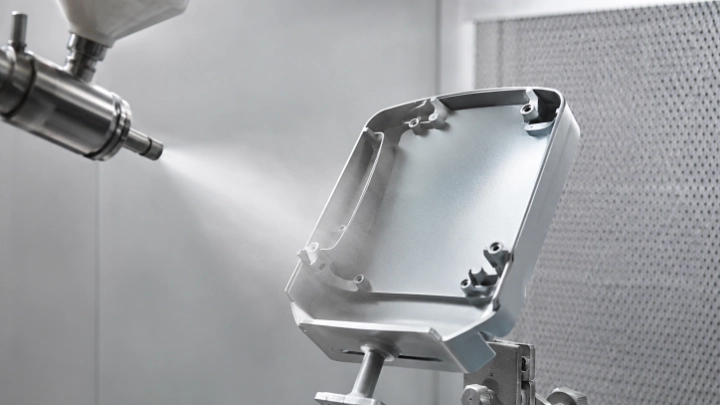
Painting
Adds customized colors and protective coatings to enhance appearance, branding, and environmental resistance.
-
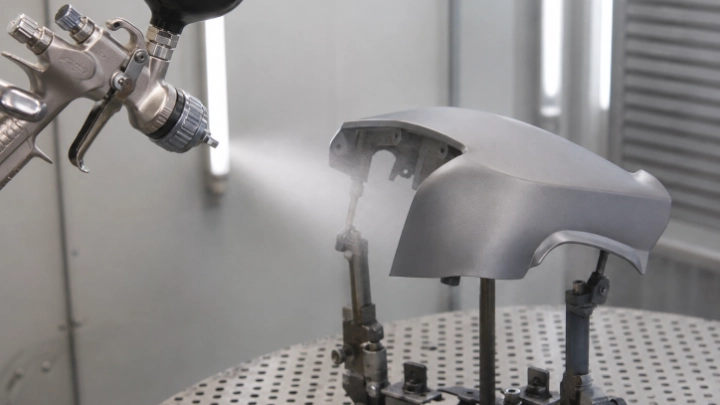
Spray Coating
Applies a consistent protective or decorative layer to improve surface texture, wear resistance, and overall part appearance.
-
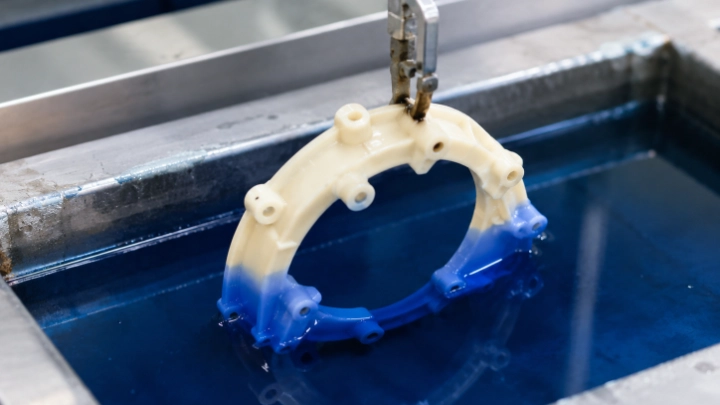
Dyeing
Colors nylon and other compatible printed materials while maintaining dimensional details and surface texture.
-
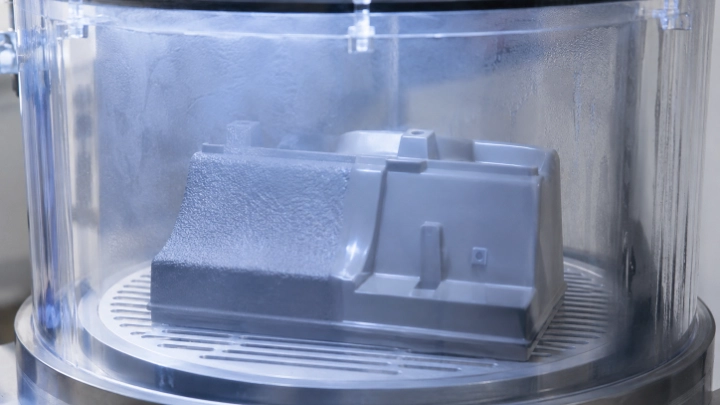
Vapor Smoothing
Uses a controlled chemical-vapor process to reduce visible layer lines and create a smoother, more sealed surface on compatible thermoplastics.
*Not sure which finish is right for your part? Explore our complete guide
Plastic Injection Molding Tolerance Guide
Dimensional control is essential in plastic injection molding because it directly affects part fit, assembly performance, appearance, and functional reliability. At Karry Precision, molding tolerances are evaluated according to resin type, part size, wall thickness, shrinkage rate, mold structure, and production requirements.
A practical tolerance strategy helps reduce tooling complexity, molding defects, inspection costs, and part rejection rates.:
- Apply tight tolerances only to critical mating features
- Maintain consistent wall thickness where possible
- Allow suitable draft angles for smooth part ejection
- Avoid abrupt thickness changes that may cause warpage
- Consider material shrinkage and moisture absorption
- Use ribs and supports instead of excessively thick walls
| Tolerance Type | Typical Tolerance | Suitable Materials | Cost Impact | Molding Considerations |
| General Linear Dimensions | ±0.20–0.30 mm | ABS, PP, PE, PC | Low | Suitable for non-critical dimensions and standard molded parts |
| Precision Linear Dimensions | ±0.10–0.20 mm | ABS, PC, POM, PA | Medium | Requires stable tooling, controlled processing, and dimensional inspection |
| Critical Mating Features | ±0.05–0.10 mm | POM, PC, PBT, reinforced plastics | High | Depends on part size, mold accuracy, shrinkage, and environmental conditions |
| Hole Diameter | ±0.10–0.20 mm | Most thermoplastics | Medium | Core-pin design, material shrinkage, and feature depth affect accuracy |
| Hole Position | ±0.15–0.30 mm | Most thermoplastics | Medium | Influenced by mold alignment, part warpage, and datum selection |
| Flatness | 0.20–0.50 mm | ABS, PC, PP, PA | Medium | Large or thin parts may require looser tolerances due to warpage |
| Insert Position | ±0.10–0.20 mm | Insert-molded components | Medium to High | Insert fixtures and molding pressure must be carefully controlled |
These values are general references. Final achievable tolerances depend on material shrinkage, part dimensions, geometry, wall thickness, mold design, process stability, and inspection requirements.
Not sure about the right tolerance for your part?
Get Free Quote Our Plastic Injection Molding Process
-
 STEP 1
 Design Review
 -
 STEP 2
Mold Design
STEP 2
Mold Design -
 STEP 3
Tooling Production
STEP 3
Tooling Production -
 STEP 4
Material Preparation
STEP 4
Material Preparation -
 STEP 5
Injection Molding
STEP 5
Injection Molding -
 STEP 6
Quality Inspection
STEP 6
Quality Inspection
Common Plastic Injection Molding Questions

Ready to Start Your Custom Parts Project?
Upload your drawings (STEP, STP, IGES, STL) or contact our team for a fast and confidential quotation.
Get Free Quote 

Reliable Plastic Injection Molding Solutions
Karry Precision combines mold engineering, material expertise, controlled molding processes, and reliable quality inspection to produce consistent plastic components. From design review and tooling development to injection molding, assembly, and final delivery, we support projects from prototypes to volume production.
-
Engineering support for moldability and part design optimization
-
Insert molding, overmolding, and multi-cavity molding capabilities
-
Support for standard and engineering-grade plastic materials
-
Efficient transition from prototype tooling to production molding
-
Stable process control and consistent part quality