
 Contact Us
  Home /
 Precision Metal Stamping Solutions for Every Requirement
Karry Precision provides custom metal stamping services for complex component geometries, prototypes, and high-volume production. With progressive die, compound die, and precision stamping capabilities, we help customers achieve stable dimensions, consistent part quality, and efficient production at scale.
-
 Stamping press capacities from 25 to 300 tons
 -
Precision stamping tolerances down to ±0.10 mm
-
Efficient production for medium- and high-volume orders
-
Prototype stamping support for custom component designs
 Get Free Quote
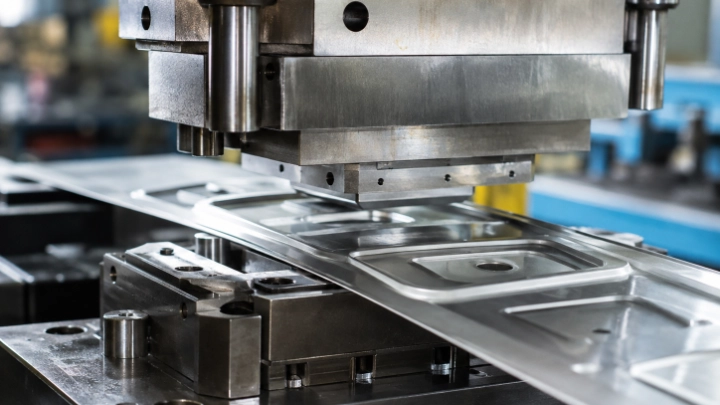
Precision tooling for complex metal parts
-

Precision Sheet Metal Fabrication
-

Cost-Effective Production Solutions
-

Reliable Quality for Repeat Orders
-

ISO 9001:2015-Certified QMS
Mold Manufacturing
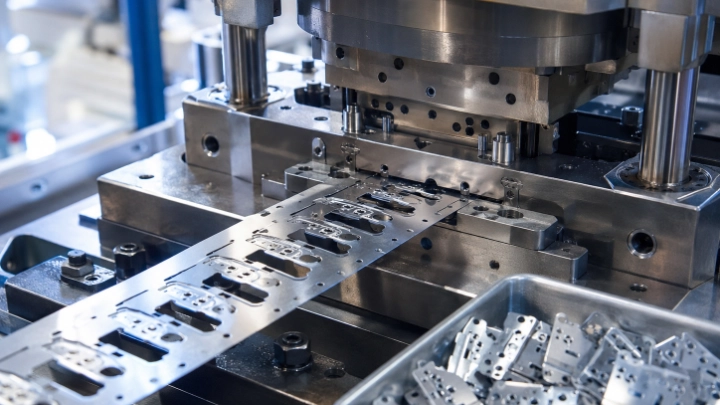
Progressive die stamping performs multiple cutting, bending, and forming operations as the metal strip moves through sequential die stations. It is ideal for producing complex parts efficiently with stable quality and consistent dimensions at high volumes.
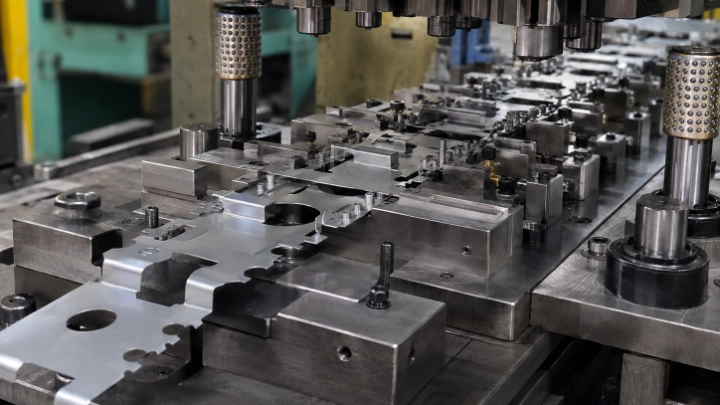
Deep draw stamping forms flat sheet metal into seamless, hollow, or cup-shaped components using controlled drawing operations. It is suitable for producing deep-profile parts with smooth surfaces, uniform walls, and high structural strength.
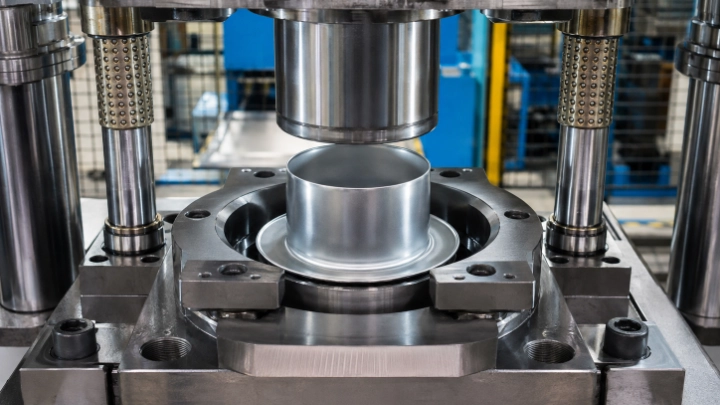
Precision stamping produces small or complex metal components with tight dimensional control and excellent repeatability. It is widely used for connectors, terminals, clips, brackets, and other parts requiring accurate features and consistent quality.
Metal Stamping Tooling Design
Maximizing Tool Efficiency and Lifespan
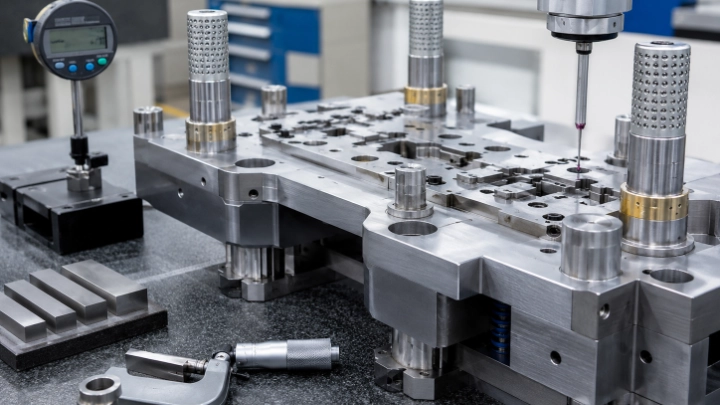
Stamping Process Optimization
- Cycle Time Reduction: Optimize die design and stamping parameters to increase production speed.
- Material Efficiency: Improve strip layout to reduce scrap and material waste.
- Performance Monitoring: Regularly inspect tooling and production data to maintain stable quality and identify potential issues.
Tool Maintenance and Durability
- Preventive Maintenance: Regular cleaning, inspection, lubrication, and calibration help maintain stable stamping performance.
- Durable Tool Materials: Wear-resistant tool steels and hardened components extend die life under repeated production cycles.
- Rapid Repair Support: Replaceable inserts and efficient repair procedures reduce downtime and keep production on schedule.
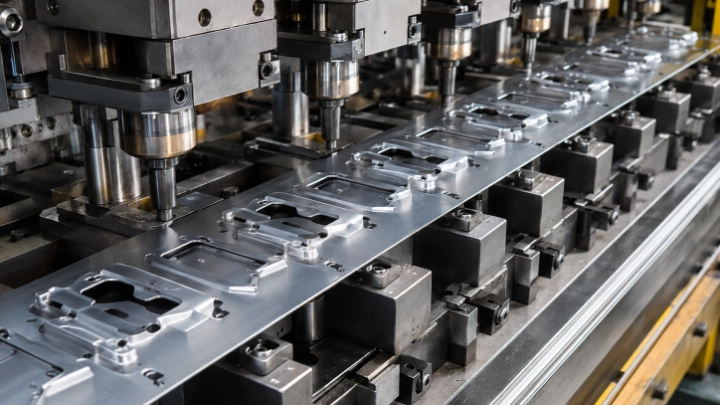
Tolerance Management for Metal Stamping Tooling
Accurate tolerance control is essential for maintaining die alignment, forming stability, repeatable dimensions, and consistent stamped-part quality. Karry Precision evaluates each requirement according to part geometry, material thickness, tooling structure, production volume, and inspection method.
| Tolerance Type | Description | Typical Application | Typical Range |
| Linear Tolerance | Controls the length, width, diameter, and spacing of tooling features | Die inserts, punches, cavities, and locating components | ±0.01 to ±0.10 mm |
| Geometric Tolerance | Controls flatness, parallelism, perpendicularity, position, and profile | Guide components, mating surfaces, and precision forming features | 0.02 to 0.10 mm |
| Angular Tolerance | Controls the permitted variation between angled tooling surfaces | Bending dies, forming inserts, and angled punches | ±0.1° to ±0.5° |
| Surface Roughness | Defines the smoothness of functional tooling surfaces | Cutting edges, forming surfaces, guide areas, and sliding components | Ra 0.4 to Ra 3.2 μm |
| Tool Component Fit | Controls clearance or interference between mating tooling components | Guide pins, bushings, inserts, punches, and die plates | Based on ISO fit classes such as H7/g6 |
| Punch-to-Die Clearance | Controls the cutting gap between the punch and die | Blanking, piercing, trimming, and progressive stamping | Determined by material type and sheet thickness |
Not sure about the right tolerance for your part?
Our engineering team can help optimize your design.
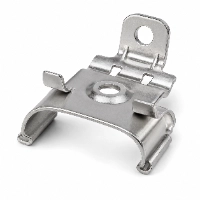
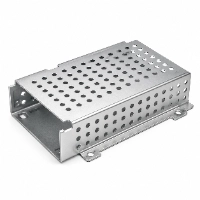
Metal Stamping Tooling Case Studies
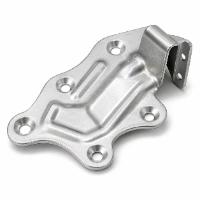
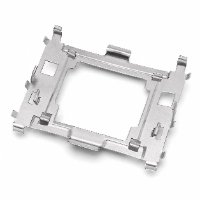
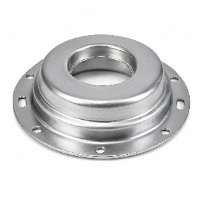
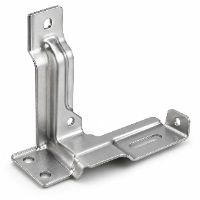
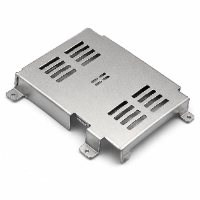
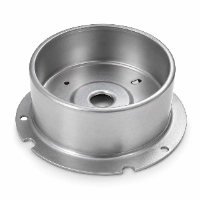
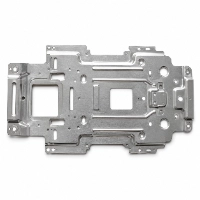
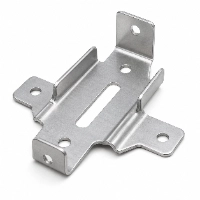
Material Selection
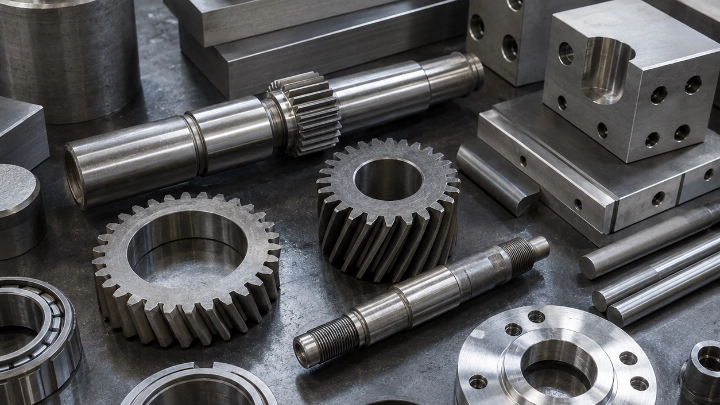
- Tool Steel:D2, SKD11, DC53, and H13 are selected according to forming conditions, material thickness, production volume, and required tool life.
- Wear-Resistant Materials: High-speed steel and carbide are used for punches, inserts, and cutting edges exposed to intensive wear.
- Structural Materials: P20, 45# steel, and alloy steel are commonly used for die plates, holders, backing plates, and supporting components.
- Copper Alloys: Copper alloys may be used in areas requiring improved heat transfer, electrical conductivity, or resistance to material adhesion.

Explore our full material list or contact our engineering team for recommendations.

Surface Finishing Options
Surface finishing enhances mold durability, reduces friction, and improves part quality, ensuring smooth operation and longer tool life.
-
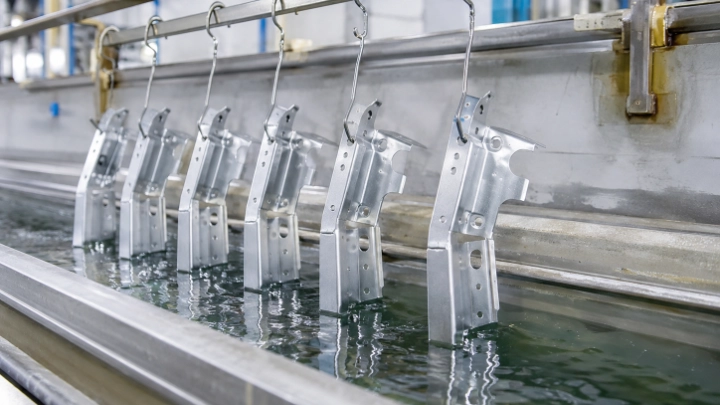
Electroplating
Applies a thin metallic coating to improve corrosion resistance, wear performance, conductivity, and appearance.
-
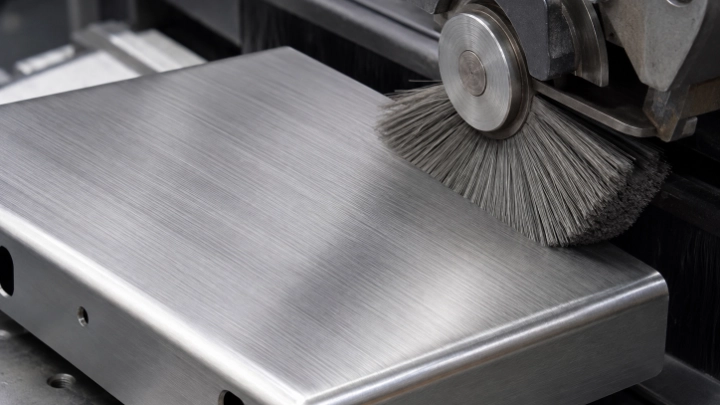
Brushing
Creates a uniform directional texture that improves appearance and helps conceal minor surface marks.
-
Shot Peening
Bombards the metal surface with small media to increase fatigue strength and improve resistance to cracking.
-
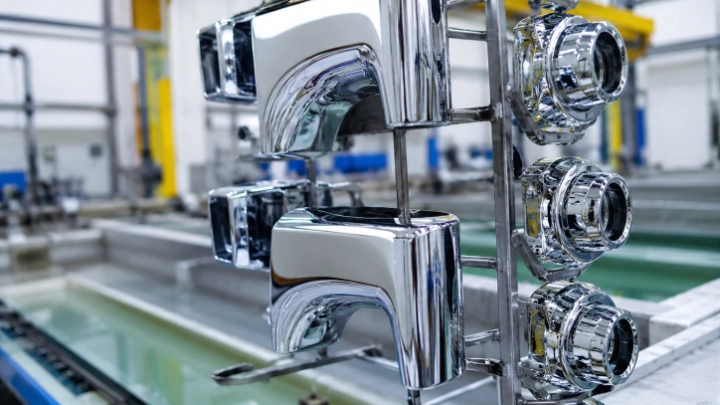
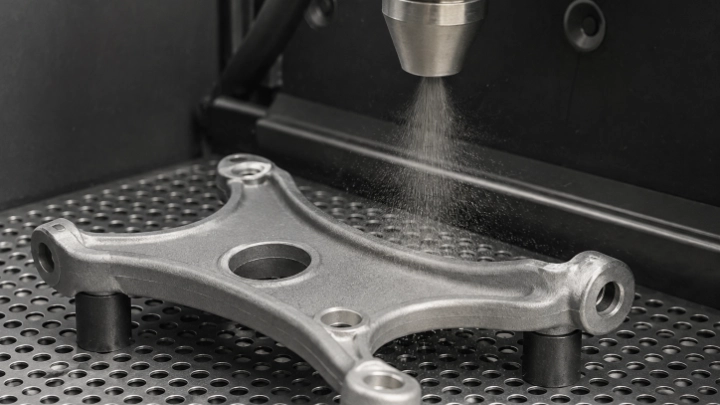
Chrome Plating
Adds a hard, bright chromium layer that enhances wear resistance, corrosion protection, and decorative appearance.
-
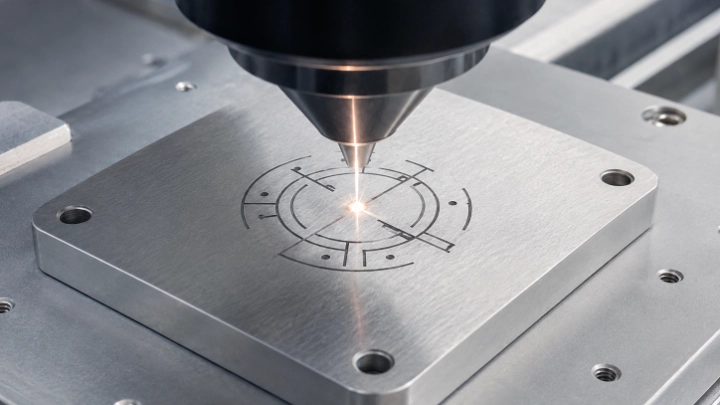
Laser Etching
Uses a focused laser to create permanent logos, serial numbers, identification codes, and surface markings.
-
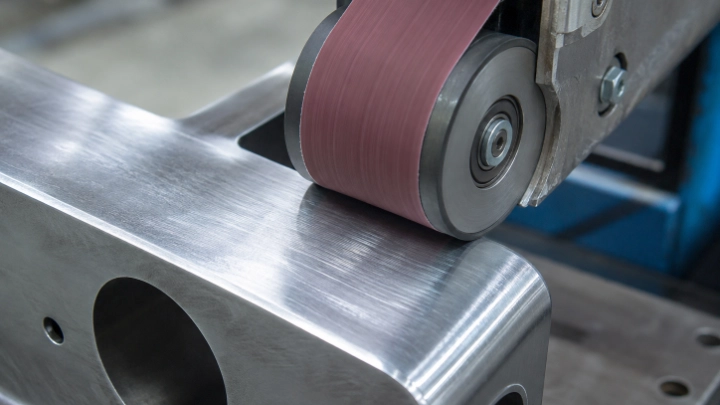
Sanding
Removes burrs, scratches, oxidation, and rough edges to produce a smoother and more consistent surface.
*Not sure which finish is right for your part? Explore our complete guide
Common Metal Stamping Tooling Questions

Ready to Start Your Custom Parts Project?
Upload your drawings (STEP, STP, IGES, STL) or contact our team for a fast and confidential quotation.
Get Free Quote 

Reliable Metal Stamping Tooling Solutions
Karry Precision provides custom metal stamping tooling designed for stable production, dimensional accuracy, and long service life. Our engineering and manufacturing capabilities support complex tooling projects from initial design and prototyping to trial production and volume manufacturing.
-
Custom tooling for complex stamped-part designs
-
Precision manufacturing for tight tolerance requirements
-
Progressive, compound, blanking, and forming die capabilities
-
Durable tooling for repeat and high-volume production
-
Fast engineering response and efficient lead times
-
Support for a wide range of metals and applications